
HoltonWiseTV Highlights (56)
Cleveland Landlords: Mayor Bibb’s Lead Rules Make No Sense
For Cleveland, Ohio landlords, the city’s lead certification rules have created a system that feels inconsistent and expensive to navigate. Property owners are required to certify every two years, pay fees, and face fines of up to $200 per day if they fall out of compliance—regardless of whether children even live in the property. Meanwhile, thousands of older, non-rental homes with potential lead hazards aren’t being addressed the same way. If you’re investing in Cleveland, Ohio, understanding these rules isn’t optional—you’ve got to play by them. If you need help getting your property lead-safe certified and avoiding costly fines, check out Pb Free for assistance.
San Jose Investors: The Eviction Crisis Has One Simple Fix
For San Jose, California investors, the so-called “eviction crisis” is a lot more complicated than it needs to be. In markets like San Jose, California, heavy regulation, long timelines, and tenant-friendly policies make something as basic as enforcing a lease feel like a drawn-out battle. Step outside of California, though, and it’s a different story—landlord-friendly markets across the Midwest and South treat rental housing like a business: rent is due, and when it’s not paid, the eviction process to resolve it is clear and predictable. That’s why more San Jose, California investors are taking their money out of state to build portfolios where the rules are consistent and cash flow is easier to control.
Long Beach Investors: The Truth Behind the “Eviction Crisis”
For Long Beach, California investors, the so-called “eviction crisis” looks very different once you step outside the state. Something as simple as paying rent to avoid eviction gets completely convoluted in California. In heavily regulated markets like Long Beach, California, the process is slow, expensive, and often stacked against property owners—making it difficult to operate a rental business the way it was intended. That’s why smart investors are moving their capital out of Long Beach, California and into landlord-friendly markets across the Midwest and South, where lease enforcement is straightforward, timelines are predictable, and cash flow is far more reliable. Same business, different rules—and a much simpler path to scaling a portfolio.
Buy Louisville Section 8 Rentals with 5–10% Down (Owner Financing)
For investors looking at Louisville, Kentucky, this is how you start building a Section 8 rental portfolio without needing massive capital. By leveraging owner financing, you can structure deals with as little as 5–10% down—and in rare cases, even less—while still securing cash-flowing assets. Louisville, Kentucky continues to attract out-of-state investors because of its affordability, strong rental demand, and landlord-friendly environment, making it a prime market to scale using creative financing strategies.

Indianapolis Investors: We Design Section 8 Rentals Like Prisons
If you’re an out-of-state investor buying in Indianapolis, Indiana, you don’t get the luxury of being there when things go wrong—so your rentals need to be built to handle real-world tenant wear and tear. Section 8 investing in Indianapolis isn’t about nice finishes… it’s about durability, low maintenance, and protecting your cash flow from costly damage and turnover. On HoltonWiseTV, we break down how smart investors design rentals to last, keep expenses down, and make Section 8 income consistent—especially if you’re investing from California, New York, or anywhere out of state.
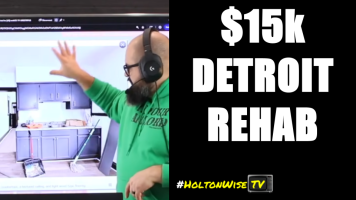
LA Investors: $15K Rehab Turns Detroit Duplex into Cash Flow
For Los Angeles, California investors priced out of their own market, this Detroit, Michigan duplex shows exactly how a small $15,000 rehab can unlock real cash flow. One unit is already performing—the other just needs to be brought up to the same standard to stabilize the asset and maximize rent. This is the kind of straightforward value-add play smart out-of-state investors are using to build portfolios in landlord-friendly markets like Detroit, Michigan, where the numbers actually make sense.

San Francisco Investors: “Times Are Tough” Doesn’t Pay the Rent
San Francisco investors are learning the hard way—when tenants stop paying, the system makes it nearly impossible to remove them while you keep footing the bill. “Times are tough” might get sympathy in California, but it doesn’t create cash flow. That’s why smart investors are moving their money out of San Francisco and into landlord-friendly markets like Columbus, Ohio, where leases are enforced and non-payment actually leads to eviction. If you want predictable returns, you need to invest where the rules protect your investment—not the excuses.

New York Investors: “Times Are Tough” Doesn’t Pay the Rent
New York investors are dealing with the same reality—tenants stop paying, and the system drags out the process while you eat the costs. “Times are tough” might buy tenants time in New York, but it destroys your cash flow. That’s why more investors are taking their money out of New York and putting it into landlord-friendly markets like Cleveland, Ohio, where leases are enforced and non-payment leads to eviction. If you want real returns, you need to invest where the rules actually work.
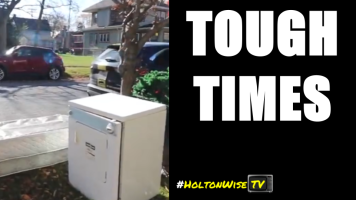
Los Angeles Investors: “Times Are Tough” Doesn’t Pay the Rent
Los Angeles investors are waking up—“times are tough” doesn’t pay the rent, and in California, it can take months (or longer) to remove a non-paying tenant while you’re stuck covering the bills. That’s why smart investors are taking their money out of Los Angeles and putting it into landlord-friendly markets like Cleveland, Ohio, where leases actually mean something and non-payment leads to real consequences. If you want consistent cash flow, you need to be in markets where you can enforce the rules—not just hope tenants decide to follow them.
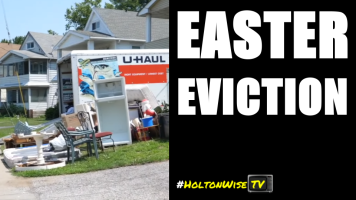
Easter Bunny Won’t Save You from Eviction
If you can tip your bartender, your Uber driver, and your DoorDash guy, you can tip the person keeping a roof over your head. Your landlord fronts the mortgage, taxes, insurance, and repairs whether you pay or not—so yeah, maybe show a little appreciation this Easter before you fall behind and end up getting evicted.
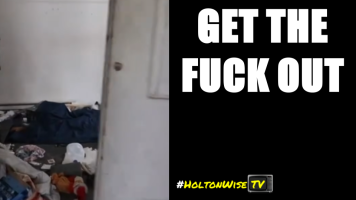
Sacramento Investors: Columbus Doesn’t Play Eviction Games—You’re Gone
Sacramento, California investors are waking up to reality—tenants can sign the lease, agree to the terms, and still refuse to pay while the system drags things out. That’s why smart Sacramento investors are shifting their focus to Columbus, Ohio, where landlord laws actually allow you to enforce the lease and protect your cash flow. In Columbus, Ohio, if the rent doesn’t get paid, the process moves and the problem gets solved—no endless games, no excuses. If you’re investing out of Sacramento, California and tired of tenant-friendly policies killing your returns, it might be time to look at Columbus, Ohio.

Fresno Investors: Cleveland Doesn’t Play Eviction Games—You’re Gone
Fresno, California investors are waking up to reality—tenants can sign the lease, agree to the terms, and still refuse to pay while the system drags things out. That’s why smart Fresno investors are shifting their focus to Cleveland, Ohio, where landlord laws actually allow you to enforce the lease and protect your cash flow. In Cleveland, Ohio, if the rent doesn’t get paid, the process moves and the problem gets solved—no endless games, no excuses. If you’re investing out of Fresno, California and tired of tenant-friendly policies killing your returns, it might be time to look at Cleveland, Ohio.
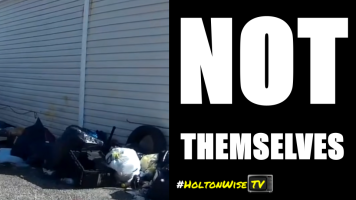
Long Beach Investors: On Eviction Day, They Blame You—Not Themselves
Long Beach, California investors see this same story on repeat—tenants don’t pay, dodge responsibility, and then play the victim the moment eviction hits. In a tenant-friendly market like Long Beach, CA, landlords are automatically cast as the villain no matter the facts. That’s exactly why smart investors are pulling money out of California and moving into landlord-friendly states like Ohio, Indiana, and Tennessee, where the laws are balanced, the process actually works, and cash flow isn’t constantly under attack. If you’re serious about building a portfolio without the nonstop excuses and blame, you need to be investing where accountability still exists.

San Jose Investors: On Eviction Day, They Blame You—Not Themselves
San Jose, California investors see this play out every day—tenants skip rent, ignore their obligations, and then play the victim when eviction hits. In hyper tenant-friendly markets like San Jose, CA, landlords are constantly painted as the bad guy no matter what actually happened. That’s why smart investors are shifting out of California and into landlord-friendly states like Ohio, Indiana, and Tennessee, where the rules are clearer, the risk is lower, and accountability still matters. If you’re tired of the chaos and looking for real cash flow without the constant blame game, it might be time to invest where the system actually works.
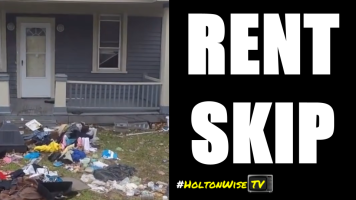
New York Investors: They Skip Rent… Then Call YOU the Villain
New York Investors: They Skip Rent… Then Call YOU the Villain — this is the reality landlords are facing in New York, New York. Tenants fall behind, drag out the eviction process for months (sometimes years), and still paint the landlord as the bad guy while you’re covering the mortgage, taxes, insurance, and nonstop repairs. That’s exactly why more investors are pulling their money out of New York and shifting into landlord-friendly markets where leases are enforced and cash flow isn’t controlled by the courts. The smart money is leaving tenant-first states and building portfolios in places where the numbers actually work.
San Francisco Investors: They Skip Rent… Then Call YOU the Villain
San Francisco Investors: They Skip Rent… Then Call YOU the Villain — this is the reality landlords are dealing with in San Francisco, California. Tenants fall behind, stretch out the eviction process, and still frame the landlord as the problem while you’re stuck paying the mortgage, taxes, insurance, and repairs. It’s exactly why more investors are pulling capital out of San Francisco and other tenant-friendly California markets and moving into landlord-friendly states where leases are enforced and cash flow is protected. The smart money isn’t chasing appreciation hype anymore—it’s going where the rules actually support the business.
Los Angeles Investors: They Skip Rent… Then Call YOU the Villain
Los Angeles Investors: They Skip Rent… Then Call YOU the Villain — here’s the reality most California landlords are waking up to. In Los Angeles, California, tenants can ignore their obligations, drag out the eviction process, and still paint the landlord as the bad guy while you’re stuck covering the mortgage, taxes, insurance, and repairs. That’s exactly why smart investors are pulling their money out of tenant-friendly states like California and redeploying it into landlord-friendly markets across the Midwest and South, like Cleveland, Detroit and Memphis, where leases actually mean something and cash flow isn’t held hostage by regulation. This is the difference between emotional investing and running a real business.

Oakland Investors: They Act Like Eviction Isn’t Their Fault
Oakland, California investors see it every day—tenants make bad decisions, don’t pay rent, then act like the eviction isn’t their fault. They signed the lease, they chose how to spend their money, and when it all catches up to them, somehow the landlord is the villain. But in Oakland, it’s not just the tenants—you’re dealing with a system that often backs them up, with strict regulations and tenant-friendly policies that make it harder to operate and hold people accountable. That’s exactly why smart investors are pulling out of California and moving their money into landlord-friendly states where they can actually protect their assets and adjust rents based on risk and behavior. Tenants can avoid responsibility anywhere—but only certain states are built to support that behavior.
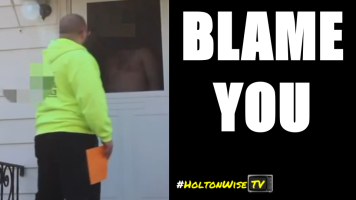
San Jose Investors: They Got Evicted… Then Blamed YOU
San Jose, California investors are starting to figure it out—tenants make bad choices, then blame landlords when the consequences hit. They picked the place, signed the lease, spent their money on everything but rent… then act shocked when the eviction comes and point the finger at you. But in San Jose, it’s not just the tenants—you’re dealing with a system that heavily favors them, making it harder to operate and harder to hold people accountable. That’s why smart investors are taking their money out of San Jose and moving it into landlord-friendly states where they can actually protect their assets and adjust to risk. Tenants can make excuses anywhere—but only certain markets are built to support those excuses.
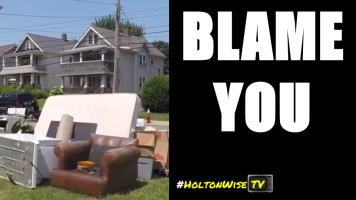
Newark Investors: They Got Evicted… Then Blamed YOU
Newark, New Jersey investors are seeing the same pattern over and over—tenants make bad decisions, then blame landlords when the consequences hit. They chose the unit, signed the lease, spent their money on everything but rent… then act shocked when the eviction comes and point the finger at you. But in Newark, it’s not just the tenants—you’re dealing with a heavily regulated, tenant-friendly system that makes it harder to operate and harder to hold people accountable. That’s why smart investors are looking beyond Newark and putting their money into landlord-friendly markets where they can actually protect their investments and adjust to risk. Tenants can make excuses anywhere—but only certain markets are built to support those excuses.
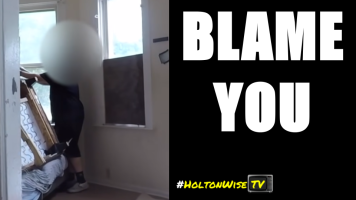
San Diego Investors: They Got Evicted… Then Blamed YOU
San Diego, California investors are starting to wake up—tenants will always blame landlords for their own bad decisions. They signed the lease, they spent the money, they didn’t pay the rent… then act shocked when the eviction hits and point the finger at you. But in California, it’s not just the tenants—you’ve got the government piling on too with tenant-friendly laws that make it harder to operate and harder to hold people accountable. That’s exactly why smart investors are taking their money out of San Diego and putting it into landlord-friendly states where responsibility still matters and the system doesn’t automatically side against you. Tenants can make excuses anywhere—but only in certain states does the government back those excuses.
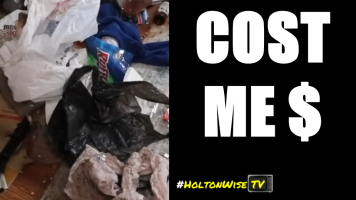
Sacramento Investors: You Cost Me Money… Now You Pay For It
Sacramento, California renters are quick to blame landlords when rents go up—but they ignore what actually drives those increases. Even though Sacramento doesn’t have extreme local rent control like Los Angeles or San Francisco, it’s still governed by California’s statewide rent control laws, which cap how much landlords can raise rents each year. So when a unit gets destroyed—walls kicked in, AC units stolen, trash everywhere—those costs don’t just disappear, and landlords can’t always fully adjust rents to cover the damage. That’s exactly why smart real estate investors are leaving Sacramento and investing out of state in landlord-friendly markets where they can raise rents based on risk and tenant behavior. Good tenants get stability. Bad tenants create higher costs—and in the markets investors are moving to, those costs get passed right back to them.

New York Investors: You Cost Me Money… Now You Pay For It
New York renters are quick to blame landlords when rents go up—but they ignore what actually drives those increases. In heavily regulated markets like NYC, strict rent control laws limit how and when landlords can raise rents, which means when a unit gets destroyed—walls kicked in, AC units stolen, trash everywhere—those costs still have to be recovered somehow. That’s exactly why smart real estate investors are leaving New York and investing out of state in landlord-friendly markets where they can adjust rents based on risk and tenant behavior. Good tenants get stability. Bad tenants create higher costs—and in the markets investors are moving to, those costs get passed right back to them.

Los Angeles Investors: You Cost Me Money… Now You Pay For It
Los Angeles, California renters are quick to blame landlords when rents go up—but they ignore what actually drives those increases. In heavily regulated markets like LA, strict rent control laws limit how and when landlords can raise rents, which means when a unit gets destroyed—walls kicked in, AC units stolen, trash everywhere—those costs still have to be recovered somehow. That’s exactly why smart real estate investors are leaving Los Angeles and investing out of state in landlord-friendly markets where they can adjust rents based on risk and tenant behavior. Good tenants get stability. Bad tenants create higher costs—and in the markets investors are moving to, those costs get passed right back to them.
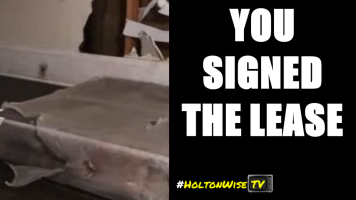
New York Renters: You Signed the Lease… Now You Can’t Pay? Get Out
New York Renters: You signed the lease, toured the property, agreed to the rent, and put pen to paper—nobody forced you into the deal. Now the rent’s due and suddenly you can’t afford it? That’s not the landlord’s problem. In New York, this is the reality of rental housing—pay what you agreed to or face eviction. Too many renters think accountability is optional, but in this business, the numbers don’t lie.
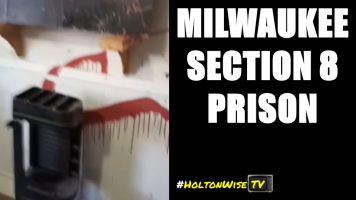
Milwaukee Investors: We Design Section 8 Rentals Like Prisons
If you’re an out-of-state investor buying in Milwaukee, Wisconsin, you don’t get the luxury of handling problems in person—so your rentals need to be built to survive real-world tenant use. Section 8 investing in Milwaukee isn’t about pretty finishes… it’s about durability, simplicity, and protecting your cash flow from costly damage and constant turnover. On HoltonWiseTV, we break down how smart investors design rentals to hold up over time, keep expenses low, and make Section 8 income reliable—especially if you’re investing from California, New York, or anywhere out of state.
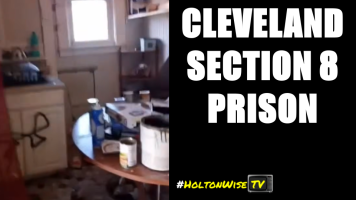
Cleveland Investors: We Design Section 8 Rentals Like Prisons
If you’re an out-of-state investor buying in Cleveland, Ohio, you don’t get the luxury of managing problems in person—so you better build your rentals to survive anything. The reality of Section 8 investing in Cleveland isn’t about making properties look pretty… it’s about making them durable, low-maintenance, and tenant-proof so your cash flow doesn’t get destroyed from thousands of miles away. In this video, we break down how smart investors design rentals to minimize damage, reduce turnover costs, and keep Section 8 income consistent—because if you’re investing from California, New York, or anywhere out of state, your property needs to perform without you.
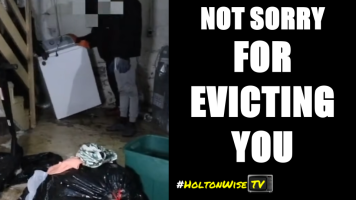
Chicago Investors: I’m Not Sorry for Evicting You
This is the reality of rental property investing in Chicago, Illinois—when tenants stop paying rent, landlords are forced to make hard business decisions. In a city with strong tenant protections and strict eviction processes, many investors learn quickly that cash flow doesn’t wait and bills don’t stop. Whether you’re dealing with Section 8 tenants or non-paying renters in Chicago, this is what actually happens behind the scenes—no gurus, no fluff, just the truth about enforcing leases, protecting your investment, and keeping your rental business profitable.
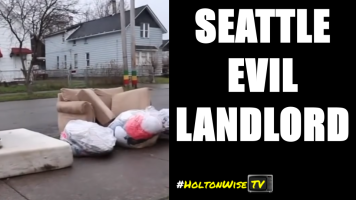
Seattle Renters: “Evil Landlord”? Pay or Leave
This is the reality of rental property investing in Seattle, Washington—when tenants stop paying rent, landlords are forced to make hard business decisions. In a city known for strong tenant protections and strict eviction rules, many renters blame landlords, but the numbers don’t lie—if income stops and expenses don’t, something has to give. Whether you’re dealing with non-paying tenants or Section 8 rentals in Seattle, this is what actually happens behind the scenes—no fluff, no excuses, just the truth about protecting your investment and keeping cash flow alive.

Los Angeles Investors: I’m Not Sorry for Evicting You
This is the reality of rental property investing in Los Angeles, California—when tenants stop paying rent, landlords are forced to make hard business decisions. In a city known for strong tenant protections and eviction restrictions, many investors learn the hard way that cash flow doesn’t care about feelings. Whether you’re dealing with Section 8 tenants or non-paying renters in LA, this is what actually happens behind the scenes—no gurus, no fluff, just the truth about protecting your investment, enforcing leases, and keeping your property profitable in one of the toughest markets in the country.
Detroit Investors: We Build Section 8 Rentals to Survive
This is how real rental property investing actually works in Detroit, Michigan—especially when you’re dealing with Section 8 tenants and D-class properties. You’re not designing for looks, you’re designing for durability, longevity, and protecting your cash flow. Anything that can break, will break, so smart investors build rentals to withstand real-world tenant use, minimize maintenance, and avoid constant turnover costs. This is the side of Detroit real estate investing that gurus won’t show you—how to protect your asset and keep the income flowing no matter what.

New York Investors: I’m Not Sorry for Evicting You
This is the reality of rental property investing in New York City, New York—when tenants stop paying rent, landlords are forced to make tough business decisions. Evictions aren’t personal, they’re financial, and no amount of sympathy will cover your mortgage, taxes, or repairs. Whether you’re dealing with Section 8 tenants, non-paying renters, or strict tenant-friendly laws in NYC, this is what real estate investing actually looks like behind the scenes—no gurus, no fluff, just the truth about protecting your investment and maintaining cash flow.
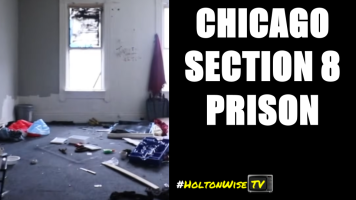
Chicago Investors: We Design Section 8 Rentals Like Prisons
Chicago, Illinois investors—this is what it really takes to protect your rental properties when dealing with Section 8 tenants. Whether you’re investing in Chicago or expanding into more affordable cash-flow markets like Cleveland, Ohio and Detroit, Michigan, you can’t afford to “decorate” your units—you have to build them to survive. Anything that can be broken, ripped out, or destroyed eventually will be if you don’t plan for it upfront. This is why serious investors focus on durability over aesthetics and rely on experienced, boots-on-the-ground property management teams to protect their assets and keep cash flow consistent.
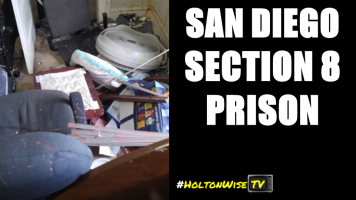
San Diego Investors: We Design Section 8 Rentals Like Prisons
San Diego, California investors—this is what it really takes to protect your rental properties when dealing with Section 8 tenants. If you’re investing out of state into cash-flow markets like Cleveland, Ohio, Detroit, Michigan, Memphis, Tennessee, Indianapolis, Indiana, or Kansas City, Missouri, you can’t afford to “decorate” your units—you have to build them to survive. Anything that can be broken, ripped out, or destroyed eventually will be if you don’t plan properly. This is why smart investors focus on durability over aesthetics and rely on experienced, boots-on-the-ground property management teams to protect their assets and keep cash flow consistent.
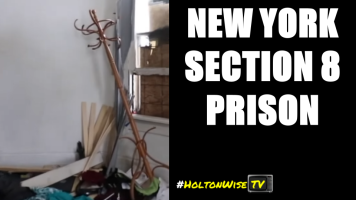
New York Investors: We Design Section 8 Rentals Like Prisons
New York investors—this is what it really takes to protect your rental properties when dealing with Section 8 tenants. If you’re investing out of state into cash-flow markets like Cleveland, Ohio, Detroit, Michigan, Memphis, Tennessee, Indianapolis, Indiana, or Philadelphia, Pennsylvania, you can’t afford to “decorate” your units—you have to defend them. Anything that can be broken, ripped out, or destroyed eventually will be if you don’t plan properly. This is why serious investors focus on durability, not aesthetics, and rely on boots-on-the-ground property management teams to protect their assets and keep cash flow consistent.
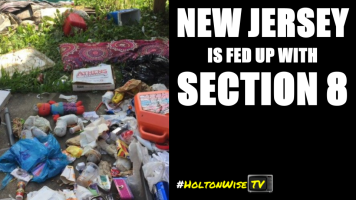
New Jersey Landlords: Section 8 Won’t Cover Your Damages
New Jersey landlords hear this all the time—“don’t worry, Section 8 will cover any damage.” That’s completely false. In New Jersey, the government does not reimburse landlords for tenant-caused destruction, and believing that myth is how investors lose serious money. Section 8 can provide steady rent, but it does not remove risk. If you don’t have strong property management, proper screening, and systems in place, you’re the one paying for the damage.
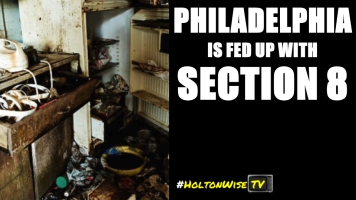
Philadelphia Landlords: Section 8 Won’t Cover Your Damages
Philadelphia landlords hear this myth all the time—“Section 8 will cover any damage.” That’s not true. In Philadelphia, Pennsylvania, the government does not reimburse landlords for tenant-caused destruction, and believing that can cost you thousands. Section 8 can provide consistent rent, but it doesn’t eliminate risk. Without strong property management, proper screening, and boots-on-the-ground systems, you’re the one paying for the damage.

Los Angeles Investors: Most of You Can’t Handle Section 8 Reality
We walk through trashed Section 8 rental properties and show Los Angeles, California investors the real side of out-of-state investing that gurus never show you. If you’re investing from LA into Midwest and Southern cash-flow markets like Cleveland, Ohio, Detroit, Michigan, Memphis, Tennessee, Indianapolis, Indiana, Birmingham, Alabama, or Kansas City, Missouri, this is the reality—tenant issues, property damage, and boots-on-the-ground problems that require a real team to handle. Section 8 can produce strong, consistent returns, but only if you have systems in place to manage chaos like this. This is exactly why serious investors partner with experienced property management teams instead of trying to run everything from a laptop across the country.

San Jose Investors: School Won’t Teach You This Wealth Hack
San Jose, California investors aren’t taught this in school—how to actually build wealth through real estate. Instead of working for a paycheck, smart investors use strategies that create equity, generate rental income, and recycle their cash to do more deals. On this deal, we’re creating roughly $20,000 in equity right off the bat while setting up long-term cash flow. That’s how you step outside the workforce and start building independent wealth in San Jose, California real estate.
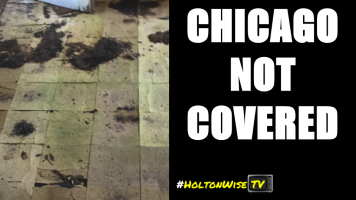
Chicago Landlords: Section 8 Won’t Cover Your Damages
Chicago landlords hear this myth all the time—“Section 8 will cover any damage.” That’s just not true. In Chicago, Illinois, the government does not reimburse landlords for tenant-caused destruction, and believing that can cost you thousands. Section 8 can provide consistent rent, but it doesn’t eliminate risk. Without strong property management, proper screening, and systems in place, you’re the one paying for the damage.

San Diego Investors: This “Wholesaling” Trick is ILLEGAL
San Diego, California investors are being sold a lie—what most gurus call “wholesaling” is often just unlicensed brokering, and that can get you in serious legal trouble. If you’re putting properties under contract just to assign them without ever owning them, you may be crossing the line into activities that require a real estate license. At HoltonWise, we’ve built a business doing deals the right way, and we’ve seen firsthand how costly it can be when investors don’t understand the rules. If you’re investing in San Diego, California real estate, make sure you know the difference before it costs you big.
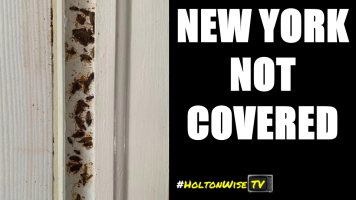
New York Landlords: Section 8 Won’t Cover Your Damages
New York landlords hear this all the time—“don’t worry, Section 8 will cover any damage.” That’s completely false. In New York City, New York, the government does not reimburse landlords for tenant-caused destruction, and believing that myth is how investors lose serious money. Section 8 can provide consistent rent, but it does not eliminate risk. If you don’t have strong property management, proper screening, and systems in place, you’re the one paying for the damage.
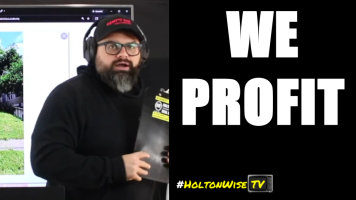
Los Angeles Investors: Scared of Squatters? We Profit
Los Angeles, California investors are terrified of squatters—but that fear is exactly where the opportunity is. Properties tied up with squatters often scare off inexperienced buyers, creating discounted deals for investors who understand how to solve the problem. At HoltonWise, we specialize in turning difficult situations like squatters, evictions, and distressed assets into profitable investments for out-of-state investors. If you know how to handle the risk, Los Angeles real estate can still produce serious cash flow.
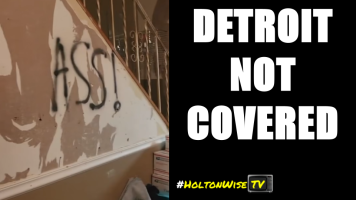
Detroit Landlords: Section 8 Won’t Cover Your Damages
Detroit landlords hear this myth all the time—“Section 8 will cover any damage.” That’s just not true. In Detroit, Michigan, the government does not reimburse landlords for tenant-caused destruction, and believing that can cost you thousands. Section 8 can provide consistent rent, but it doesn’t eliminate risk. Without strong property management, proper screening, and boots-on-the-ground systems, you’re the one paying for the damage.
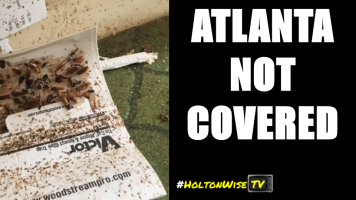
Atlanta Landlords: Section 8 Won’t Cover Your Damages
Atlanta landlords hear this all the time—“Section 8 will cover any damage.” That’s completely false. In Atlanta, Georgia, the government does not reimburse landlords for tenant-caused destruction, and believing that myth is how investors lose serious money. Section 8 can deliver consistent rent, but it does not remove risk. Without strong property management, proper tenant screening, and systems in place, you’re the one paying for the damage.
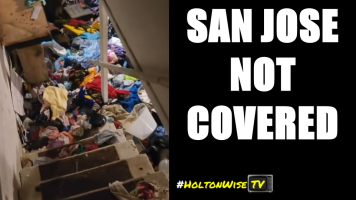
San Jose Landlords: Section 8 Won’t Cover Your Damages
San Jose landlords hear this myth all the time—“Section 8 will cover any damage.” That’s flat out wrong. In San Jose, California, the government does not reimburse landlords for tenant-caused destruction, and believing that lie can cost you thousands. Section 8 can provide steady rent, but it doesn’t protect you from bad tenants or poor management. If you don’t have the right systems, screening, and boots-on-the-ground oversight, you’re the one paying for the damage.
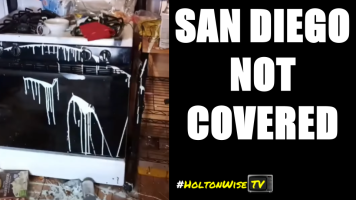
San Diego Landlords: Section 8 Won’t Cover Your Damages
San Diego landlords hear it all the time—“don’t worry, Section 8 will cover any damage.” That is completely false. In San Diego, California, the government does not reimburse landlords for tenant-caused destruction, and believing that myth is how investors lose serious money. Section 8 can provide consistent rent, but it does not eliminate risk. If you don’t have strong property management, proper screening, and systems in place, you will pay the price.
New York Landlords: THIS Tenant Never Leaves
New York landlords know the difference between a tenant who’s passing through and one who’s locked in for the long haul. In New York City, New York, when you walk into a unit and see furniture, decor, and knickknacks everywhere, you’re looking at someone who’s built a life there—and that’s exactly the kind of tenant who stays, pays, and doesn’t move every time the rent goes up. The real risk isn’t clutter… it’s the empty apartment with nothing inside.
Los Angeles Investors: Bigger Apartments are a Mistake
Los Angeles investors are told bigger is always better, but that’s not how real estate actually works. In Los Angeles, California, once you go above 4 units you lose access to 30-year residential financing and get pushed into commercial loans with worse terms, more risk, and tighter timelines. A 4-unit gives you the best of both worlds—more rent checks AND better financing—making it the true sweet spot for scaling a rental portfolio. Smart investors don’t just chase more units… they play the financing game correctly.
Landlords: You Can’t Say No to Section 8
A lot of people say “if you don’t like Section 8 tenants, just don’t rent to them”—but that’s not how it works anymore. Tenant-friendly rules aren’t just a Los Angeles, California or Seattle, Washington problem. They’re not just in New York, New York or Portland, Oregon either. These regulations are spreading into markets like Cleveland, Ohio, Memphis, Tennessee, and cities across Pennsylvania, where landlords are seeing more limits on how they can screen and manage tenants. In this video, we break down what that means for real estate investors, how Section 8 actually works on the ground, and why having the right systems in place matters more than ever. If you’re investing in Cleveland, Ohio or expanding into markets like Memphis, Tennessee and Pennsylvania, you need to understand where the laws are headed before they impact your bottom line.
 Print
Print 