
HoltonWiseTV Highlights (57)
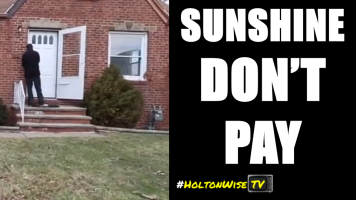
San Diego Investors: Sunshine Doesn’t Pay the Bills
San Diego, California investors—sunshine, appreciation, and lifestyle don’t pay your bills. If your property isn’t producing real cash flow, you’re just holding an expensive asset and hoping the market saves you. Meanwhile in Cleveland, Ohio, Memphis, Tennessee, and Detroit, Michigan, investors are buying at prices that actually make sense and turning rough properties into consistent monthly income. It’s not pretty, but it works. In this video, I break down why Midwest cash-flow markets outperform high-priced coastal markets when your goal is real wealth—not just vibes.

Murder Proof Rentals: Why Carpet is a Scam
If you’re a Los Angeles or New York investor buying rental properties in Cleveland, Ohio, Memphis, Tennessee, or Indianapolis, Indiana, and you’re still installing carpet—you’re killing your own cash flow. During turnovers, especially in Section 8 rentals, carpet gets destroyed constantly and has to be replaced over and over again. Meanwhile, original hardwood floors can take serious abuse and still be cleaned, refinished, and rented fast. In this video, I break down why smart landlords build “turnover-proof” units, how flooring decisions impact your ROI, and why durability beats looking pretty every single time.

Columbus Section 8 Chaos: This is What Out of State Investors Don’t See
Out-of-state investors—especially those coming from places like Los Angeles, California and New York, New York—this is the side of Section 8 investing in Columbus, Ohio nobody shows you. Behind the spreadsheets and “cash flow” projections is the real work: tenant issues, property damage, inspections, and the constant need for a strong boots-on-the-ground team. Section 8 can absolutely produce consistent rental income, but only if you understand the realities and build systems to handle the chaos. If you’re investing in Columbus, Ohio from out of state and don’t have the right team in place, you’re not buying a cash-flowing asset—you’re buying a problem.
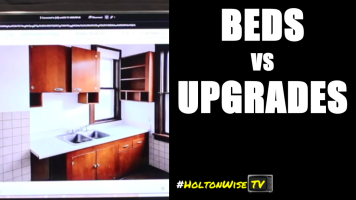
Los Angeles Investors: Want Higher Rent? Add Bedrooms, Not Upgrades
Los Angeles investors are used to spending big money on upgrades to justify higher rent—but that strategy falls apart in Section 8 markets like Cleveland, Ohio, Indianapolis, Indiana, and Memphis, Tennessee. In these markets, rent is driven by bedroom count, not luxury finishes, meaning a clean, functional 3-bedroom will outperform a fully renovated 2-bedroom every time. If you’re trying to build real cash flow investing out of state, you need to stop thinking like a California buyer and start thinking like a Midwest operator. Focus on durability, layout, and maximizing voucher income—not granite countertops. This is how smart investors scale Section 8 portfolios the right way.
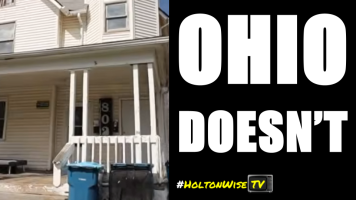
California Investors: Ohio Doesn’t Babysit Tenants
California investors from Los Angeles, San Francisco, and the Bay Area are used to sky-high prices and tenant-friendly laws that make it nearly impossible to enforce leases—but in Lorain, Ohio, it’s a completely different game. Landlords still have rights, rent still matters, and systems actually work. If you’re tired of fragile returns and want real cash flow in landlord-friendly markets like Cleveland, Lorain, and Toledo, you need boots on the ground that enforce the lease and protect your investment. That’s exactly what we do at HoltonWise.

Cleveland Investors: This Is How You Get Fined (And Robbed)
Cleveland, Ohio investors—this is how deals go sideways fast. First, you ignore or mishandle lead paint laws and end up facing fines, violations, and delays getting your property certified. Then, while your property sits vacant during renovations, it becomes a target for break-ins, copper theft, and squatters. That’s the reality of investing in Cleveland if you don’t have the right systems in place. Our partners at PB Free Ohio help investors navigate Cleveland’s ever-changing lead certification process AND now offer security solutions to protect your property during renovations. If you want to avoid both bureaucratic nightmares and criminal headaches, you need the right team on the ground.

Los Angeles Investors: Eviction Isn't Oppression
Los Angeles investors are getting crushed by California’s tenant-friendly laws where evictions are treated like oppression instead of what they actually are—enforcing a contract. When you can’t remove non-paying tenants, your investment turns into a liability fast. That’s why smart LA investors are shifting to markets like Cleveland, Ohio; Dayton, Ohio; and Youngstown, Ohio—where the rules are clear, leases are enforced, and cash flow actually works. If you’re tired of politics killing your returns in California, it’s time to look at landlord-friendly markets that prioritize accountability and real performance.

Silicon Valley Investors: This Isn’t BlackRock… It’s a Duplex
Silicon Valley investors are dealing with sky-high prices, razor-thin returns, and tenant-friendly regulations—and then get blamed when they enforce the lease. This isn’t BlackRock kicking someone out, it’s a small investor with a duplex trying to run a business. If the rent doesn’t get paid, there are consequences—it’s that simple. This is exactly why smart investors are moving their money out of Silicon Valley and into landlord-friendly markets like Columbus, Ohio, Indianapolis, Indiana, and Chicago, Illinois where cash flow actually works and the rules make sense. If you want to build real, predictable income, you need to invest in markets that support landlords, not punish them.

Denver Investors: This Isn’t BlackRock… It’s a Duplex
Denver investors are dealing with rising prices, tighter margins, and tenant-friendly regulations—and then get blamed when they enforce the lease. This isn’t BlackRock kicking someone out, it’s a small investor with a duplex trying to run a business. If the rent doesn’t get paid, there are consequences—it’s that simple. This is exactly why smart investors are moving their money out of Colorado and into landlord-friendly markets like Cleveland, Ohio, Detroit, Michigan, and Memphis, Tennessee where cash flow actually works and the rules make sense. If you want to build real, predictable income, you need to invest in markets that support landlords, not punish them.

Landlords Aren’t the Problem—This Is
Everyone loves blaming landlords, but the real issue is simple—people not paying their rent. If you stop paying for your car, it gets repossessed. Stop paying your mortgage, the bank takes the house. But somehow when tenants don’t pay rent, landlords are painted as the bad guy for enforcing the lease. That mindset is exactly why more investors are leaving tenant-friendly markets like New York and California and moving into landlord-friendly markets like Cleveland, Ohio, Detroit, Michigan, and Memphis, Tennessee where the rules actually make sense. If you want to build real cash flow, you need to understand this reality and invest accordingly.

$85K Duplex in Akron? Here’s the Catch
California and New York investors see an $85,000 duplex in Akron, Ohio and think they found the cheat code—but cheap doesn’t mean easy. In these neighborhoods, the risks are real: non-paying tenants, evictions, property damage, and constant turnover if you don’t run the asset correctly. That’s why smart out-of-state investors rely on Section 8 to stabilize income and reduce vacancy risk—but even that only works with the right systems and boots-on-the-ground management. If you’re investing outside of high-cost markets like Los Angeles, San Francisco, or New York City, you need to understand what you’re really buying in Akron or that “deal” will burn you fast.
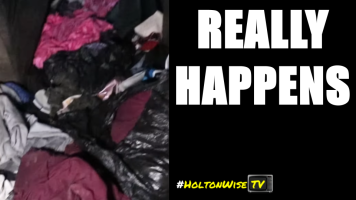
DC Investors: This Is What Really Happens in Your Out-of-State Rentals
A lot of Washington DC investors think buying out-of-state rentals is passive income—until reality hits. In markets like Cleveland, Ohio, Memphis, Tennessee, and Kansas City, Missouri, Section 8 tenants will test your systems in ways you’re not prepared for, from constant maintenance issues to failed inspections over the smallest things like missing smoke detector batteries. This isn’t a joke—it’s what happens when you don’t have strong processes and real boots-on-the-ground management. If you’re investing outside of DC for better cash flow, you need to understand how these properties actually operate day-to-day or your investment will fall apart fast. Work with a team that knows how to manage this the right way.
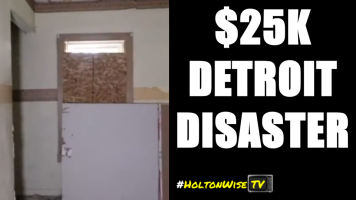
$8K Rehab → $25K Disaster (Detroit Investors Beware)
Out-of-state investors from expensive markets like Los Angeles, San Jose, and New York buy a “light rehab” in Detroit, Michigan thinking it'll cost $8,000—reality check: over $25,000 once the electrical, plumbing, and roof issues were uncovered. The deal that looked like easy cash flow instantly turned into a money pit. This is the trap investors from high-priced markets fall into when they try to buy in Detroit without truly understanding construction, pricing, and what they’re looking at on the ground. If you’re serious about investing outside of California or New York, you need real numbers, real inspections, and real boots on the ground or your deal will bleed you dry. Work with a team that’s actually in these Detroit properties every day if you want to do this the right way.
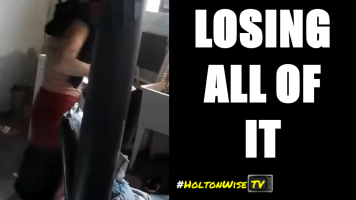
Bay Area Investor Lost Everything on Section 8—Here’s Why
A Bay Area investor thought Section 8 meant guaranteed rent, but after placing the wrong tenant without proper screening, the property failed inspections, payments got paused, and the unit was destroyed—turning “cash flow” into a financial nightmare. This is exactly what happens when out-of-state investors try to run Section 8 without the right systems, inspections, and boots-on-the-ground management. If you’re serious about building real cash flow outside of California in landlord-friendly markets like Dayton, Ohio, Chicago, Illinois, and Jackson, Mississippi, you need to do it the right way or you will get burned. Book a call with our team to learn how to actually make Section 8 work.
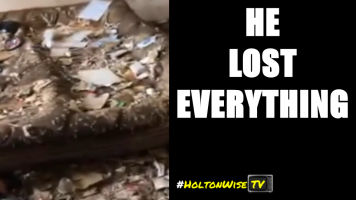
San Diego Investor Lost Everything on Section 8—Here’s Why
A San Diego investor thought Section 8 meant guaranteed rent, but after placing the wrong tenant without proper screening, the property failed inspections, payments got paused, and the unit was destroyed—turning “cash flow” into a financial nightmare. This is exactly what happens when out-of-state investors try to run Section 8 without the right systems, inspections, and boots-on-the-ground management. If you’re serious about building real cash flow outside of California in landlord-friendly markets like Akron, Ohio, Cincinnati, Ohio, Indianapolis, Indiana, and Birmingham, Alabama, you need to do it the right way or you will get burned. Book a call with our team to learn how to actually make Section 8 work.
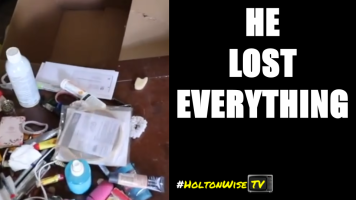
NYC Investor Lost Everything on Section 8—Here’s Why
A New York investor thought Section 8 meant guaranteed rent, but after placing the wrong tenant without proper screening, the property failed inspections, payments got paused, and the unit was destroyed—turning “cash flow” into a financial nightmare. This is exactly what happens when out-of-state investors try to run Section 8 without the right systems, inspections, and boots-on-the-ground management. If you’re serious about building real cash flow in landlord-friendly markets like Cleveland, Columbus, Toledo, and Detroit, you need to do it the right way or you will get burned. Book a call with our team to learn how to actually make Section 8 work.

San Jose Investors: You Hired a Charity, Not a Manager
San Jose investors keep trusting property managers who don’t enforce leases, don’t inspect properties, and let tenants run wild—and then wonder why their “cash flowing” rental is actually losing money. If your manager isn’t holding tenants accountable, you didn’t hire a property manager… you hired a charity. This is exactly how out-of-state investors get burned. In affordable markets like Columbus, Ohio, Toledo, Ohio, and Baltimore, Maryland, deals can produce strong cash flow—but only if you have real systems and boots on the ground. If you want to build this the right way and avoid getting played, work with a team that actually protects your investment.

LA Investors: You’re Not Losing Money… You’re Getting Robbed
Los Angeles investors think their out-of-state rentals are “cash flowing” until they actually audit what their property manager is doing. No inspections, no lease enforcement, tenants destroying the unit—and the owner has no clue while thousands bleed out every month. That’s not investing, that’s getting robbed. If your property manager isn’t running real systems and holding tenants accountable, you don’t have an asset—you have a liability. At HoltonWise, we build this the right way with boots-on-the-ground operations that protect your cash flow in Cleveland, Ohio, Detroit, Michigan, and Indianapolis, Indiana. If you’re serious about doing this right, book a call with my team.

Gold Toilets Won’t Fix This Memphis Neighborhood
Out-of-state investors love to believe they can renovate their way out of a bad neighborhood, but that’s not how this works in Memphis, Tennessee. You can make the property perfect, but you can’t change the block—and the tenant pool is always dictated by the surrounding area. That means lower-quality applicants, more turnover, and constant issues no matter how good your property manager is. This is why working with the right teams matters—Boots-on-the-ground operators like Rent To Retirement who connect investors with vetted opportunities in the Memphis market. If you’re investing from out of state, you need real guidance on neighborhood selection, not just a pretty property, or you’ll end up stuck in a deal that only another investor will buy.
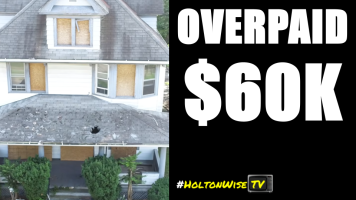
San Francisco Investor OVERPAID by $60K in Cleveland
San Francisco investors keep making the same mistake—trusting listings, comps, and “turnkey” hype without understanding the actual Cleveland market. In this deal, a buyer paid $120,000 for a property that realistically belongs in a $60,000 neighborhood, leading to lower rents, constant tenant issues, and a brutal hit to cash flow. This is exactly what happens when you try to invest out of state from a spreadsheet instead of having real boots on the ground. If you’re a San Francisco investor looking to build reliable cash flow in Cleveland, Ohio, you need the right team to keep you from overpaying and buying the wrong assets.

Orange County Investors: One Bad Tenant = Game Over
Orange County, California investors are playing a dangerous game at $800K–$1M price points where just one non-paying tenant or vacancy can destroy your cash flow and turn your “investment” into a liability overnight. In markets like Cleveland, Ohio, Toledo, Ohio, and Columbus, Ohio, the numbers actually make sense—lower entry points, stronger rent-to-price ratios, and vacancies that feel like a speed bump instead of a financial crisis. Yes, you’ll deal with Section 8 and yes, evictions are part of the business, but that’s exactly why smart investors build systems and boots-on-the-ground teams to protect predictable income instead of relying on fragile appreciation plays.

New York Investors: THIS Is Why Rent Never Stops Going Up
New York investors keep hearing that rent goes up because landlords are greedy—but the real reason is risk. In New York, when tenants stop paying, drag out evictions for months, and leave units destroyed, those losses don’t just disappear—they get baked into future rents. The more tenant-friendly the laws, the higher the risk, and the higher the rent has to go to make the numbers work. That’s why so many New York investors are shifting to landlord-friendly markets like Cleveland, Ohio; Toledo, Ohio; and Columbus, Ohio—where you can actually control risk, enforce leases, and build consistent cash flow.

Toledo Investors: This Only Happens Without Boots on the Ground
This is the reality of investing in Toledo, Ohio when you don’t have a real boots-on-the-ground team managing your property. You bought the rental for financial freedom, but without proper oversight, deadbeat tenants can destroy everything you worked for—missed rent, trashed units, and thousands in repairs. Out-of-state investors fail here all the time because they trust the wrong people. If you want your Toledo, Ohio investment to actually produce cash flow instead of chaos, you need a team that knows how to screen tenants, enforce leases, evict deadbeats, and handle problems immediately.
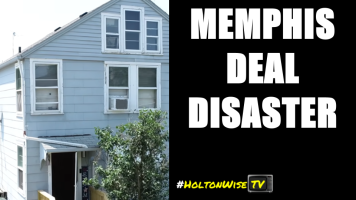
Los Angeles Investors: Memphis Deal Disaster
California investor who thought he bought a “turnkey” rental in Memphis, Tennessee—tenant in place, property management set, everything done for him—until it all fell apart. Within 60 days the tenant stopped paying, the property manager disappeared, and the property needed $15,000 in repairs. This is exactly what happens when you invest out of state with no real boots-on-the-ground team. If you’re a Los Angeles, California investor looking to build cash flow in landlord-friendly markets like Memphis, you need the right team, systems, and oversight or you’re not buying a property—you’re buying a problem.
Cleveland Investors: Lead Laws Change Constantly—Here’s Who You Need
Cleveland, Ohio lead laws are constantly changing, and if you’re an investor who doesn’t stay on top of it, you’re setting yourself up for fines, delays, and failed certifications. The city has been going back and forth on enforcement, requirements, and processes for years, which makes it feel like a moving target. That’s why we work with PB Free and Zach—these guys live and breathe lead certifications and stay ahead of every rule change, lawsuit, and policy shift so you don’t have to. If your property is in solid condition, this isn’t a big deal—but only if you have the right team handling it and making the process seamless.

You Steal Bread, You’re a Criminal—Skip Rent, You’re a Victim?
Here’s the double standard nobody wants to talk about. In California, if you steal food, you’re a criminal. If you don’t pay your rent and get evicted, suddenly you’re a victim and the landlord is the bad guy. That makes no sense. Every other bill in life—groceries, utilities, car payments—has consequences if you don’t pay. Housing isn’t magically different. Landlords still have mortgages, taxes, and expenses whether rent gets paid or not. This is exactly why so many investors are leaving tenant-friendly states like California and putting their money into landlord-friendly markets where the rules actually make sense and contracts still matter.

San Francisco Investors: Tenants Think They Own YOUR Property
San Francisco investors are fed up with tenants acting like they own the property—and laws that make it nearly impossible to remove them when they stop paying. That’s why smart Bay Area investors are shifting their money to Birmingham, Cleveland, and Indianapolis—markets where property rights are enforced, evictions actually happen, and landlords can protect their cash flow. Instead of getting stuck in California’s tenant-first system, investors are building real returns in landlord-friendly cities where non-paying tenants don’t get to stay indefinitely.

They Said “We Run This Building”… So We Took the Door
In Cleveland, Ohio, this is what happens when tenants think they run the building instead of paying the rent. You can scream, threaten, and act like you own the place all you want—but when the rent doesn’t get paid, reality shows up fast. This is the side of real estate investing nobody on social media wants to show you: enforcement, evictions, and doing what needs to be done to protect the asset. If you’re an out-of-state investor, this is why you need a team that actually handles business when things go sideways—not just collects rent when it’s easy.
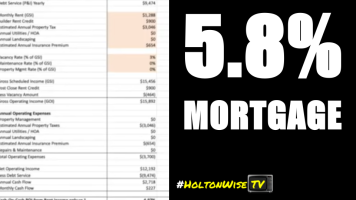
California Investors: You’re Not Getting 5.8% Anywhere Else—Except Here
California investors are getting crushed by high prices and even higher interest rates, but this is how you flip the script. Through my friends at Rent To Retirement, you can lock in a 5.875% interest rate on a brand-new rental property in growth markets, plus get one year of free property management and a $5,554 post-closing credit you can use however you want—lower your cash in, build reserves, or put money back in your pocket. You’re not getting deals like this in California, especially not in markets where the numbers actually produce cash flow. If you’re serious about building a real portfolio with performing assets, this is the kind of advantage you need.

San Diego Investors: It Ain’t Hookers & Hugs—It’s Section 8 Cash Flow That Pays
San Diego, California investors are chasing sunshine, appreciation, and “vibes,” but none of that pays the bills when your numbers don’t work. In Section 8 markets like Cleveland, Ohio, Detroit, Michigan, and Memphis, Tennessee, we’re buying properties at prices that actually make sense and turning tenant chaos into consistent cash flow. It’s not pretty, it’s not glamorous, and it’s definitely not “hookers & hugs,” but it works. If you’re a San Diego investor who cares about building real wealth instead of just owning expensive property, you need landlord-friendly markets, solid systems, and a team that knows how to execute.
Sacramento Investors: Memphis Deal Disaster
California investor who thought he bought a “turnkey” rental in Memphis, Tennessee—tenant in place, property management set, everything done for him—until it all fell apart. Within 60 days the tenant stopped paying, the property manager disappeared, and the property needed $15,000 in repairs. This is exactly what happens when you invest out of state with no real boots-on-the-ground team. If you’re a Sacramento, California investor looking to build cash flow in landlord-friendly markets like Memphis, you need the right team, systems, and oversight or you’re not buying a property—you’re buying a problem.

New York Investors: Tenants Think They Own YOUR Property
New York investors are dealing with tenants who think rent is optional—and a system that makes it nearly impossible to do anything about it. That’s why smart NYC investors are shifting their money to Akron, Toledo, and Columbus, Ohio—markets where property rights still matter, evictions are enforceable, and landlords can actually protect their investments. Instead of getting crushed by tenant-friendly laws in New York, investors are building real cash flow in Ohio by operating in cities where the rules make sense and non-paying tenants don’t get to stay forever.
San Diego Investors: Memphis Deal Disaster
California investor thought he bought a “turnkey” rental in Memphis, Tennessee—tenant in place, property management set, everything done for him—until it all fell apart. Within 60 days the tenant stopped paying, the property manager disappeared, and the property needed $15,000 in repairs. This is exactly what happens when you invest out of state with no real boots-on-the-ground team. If you’re a San Diego investor looking to build cash flow in landlord-friendly markets like Memphis, you need the right team, systems, and oversight or you’re not buying a property—you’re buying a problem.

Los Angeles Investors: Tenants Think They Own YOUR Property
Los Angeles investors are waking up to reality—when tenants think they own your property and the system backs them up, your investment is at risk. That’s why smart California investors are shifting to Cleveland, Detroit, and Memphis—markets where property rights are enforced, evictions actually happen, and landlords aren’t stuck funding someone else’s lifestyle. In these landlord-friendly cities, you can remove non-paying tenants, stabilize your asset, and keep your cash flow intact instead of getting buried under California’s tenant-first laws.
Modesto Investors: The Section 8 Strategy Everyone Else Is Afraid to Use
Modesto investors are grinding in a market where deals barely cash flow, while the real opportunity sits in strategies most people won’t touch. Section 8 isn’t glamorous, but that’s exactly why it works—less competition, government-backed rent, and tenants who tend to stay longer when you run it right. Smart California investors are taking this approach into landlord-friendly, cash flow markets where the numbers actually make sense. If you want predictable income instead of hoping for appreciation, you need to start looking where everyone else is too afraid to go.
Bay Area Investors: The Section 8 Strategy Everyone Else Is Afraid to Use
Bay Area investors are stuck chasing appreciation in overpriced markets while the real cash flow is sitting in plain sight. The Section 8 strategy isn’t glamorous, and it’s definitely not for the faint of heart—but that’s exactly why it works. Smart investors who aren’t afraid to operate in tougher markets are locking in consistent, government-backed rent, longer tenancies, and stronger returns than anything you’ll find in California. If you want predictable income instead of speculation, you need to start looking where everyone else is too scared to go.
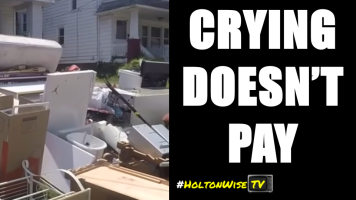
New York Investors: Crying Doesn’t Pay the Rent on Eviction Day—Why We Invest in Ohio Instead
New York investors are watching the same story unfold—tenants cry, complain, and blame the landlord, but none of that pays the rent. Meanwhile, the landlord still has a mortgage, taxes, insurance, and real bills due every single month. That’s why smart New York investors are moving their money out of tenant-friendly markets and into landlord-friendly cash flow markets like Cleveland, Columbus, Dayton, and Toledo, Ohio—where leases are enforced and your investment actually performs. If you want consistent income instead of constant excuses, you need to invest where the rules actually work.
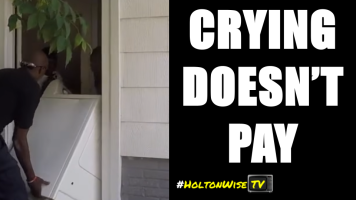
Sacramento Investors: Crying Doesn’t Pay the Rent on Eviction Day—Why We Invest in Ohio Instead
Sacramento investors are seeing the same thing play out—tenants cry, complain, and blame the landlord, but none of that pays the rent. Meanwhile, the landlord still has a mortgage, taxes, insurance, and real bills due every single month. That’s why smart California investors are shifting out of tenant-friendly markets and into landlord-friendly cash flow markets like Dayton, Youngstown, Akron, and Cleveland, Ohio—where leases are enforced and your investment actually performs. If you want consistent income instead of constant excuses, you need to invest where the system works for you, not against you.

Los Angeles Investors: Crying Doesn’t Pay the Rent on Eviction Day—Why We Invest in Ohio Instead
Los Angeles investors are finally seeing the truth—tenants can cry, complain, and blame the landlord all they want, but none of that pays the rent. Meanwhile, the landlord still has a mortgage, taxes, insurance, and real bills due every single month. That’s why smart California investors are shifting their money out of tenant-friendly markets and into landlord-friendly cash flow markets like Cleveland, Columbus, Cincinnati, and Toledo, Ohio—where leases are enforced and your investment actually performs. If you want predictable income instead of excuses, you need to invest where the rules make sense.

Eviction Day Reality: You’ve Got 3 Hours—Figure It Out
This is what eviction actually looks like—no drama, no debate, just reality. The crew gives the tenant options, time, and a clear path, but at the end of the day, the lease wasn’t honored and the process moves forward. You’ve got a few hours to grab what you can and figure it out—that’s how this business works when rent doesn’t get paid. This is the part nobody wants to show, but every real landlord has to deal with.
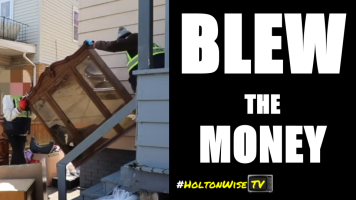
Anaheim Investors: They Blew the Money… Now You’re the Bad Guy for Evicting
Anaheim investors are seeing it happen over and over—tenants stop paying, spend their money elsewhere, then act like you’re the bad guy when you enforce the lease. That’s exactly why smart California investors are shifting out of tenant-friendly markets and into landlord-friendly cash flow markets like Akron, Dayton, Youngstown, and Cincinnati, Ohio—where leases actually mean something and you can run your rentals like a real business. If you’re tired of the excuses and want properties that perform, you need to invest where the system works for you, not against you.

Long Beach Investors: They Blew the Money… Now You’re the Bad Guy for Evicting
Long Beach investors are seeing the same story play out—tenants stop paying, spend their money elsewhere, then turn you into the villain the moment you enforce the lease. That’s why smart California investors are shifting out of tenant-friendly markets and into landlord-friendly, cash-flow markets like Columbus, Ohio, Toledo, Ohio, Gary, Indiana, and Detroit—where leases actually mean something and you’re allowed to run your rental like a business. If you’re tired of the excuses and want real control over your investment, you need to put your money where the rules work for you.
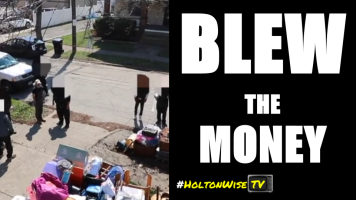
San Diego Investors: They Blew the Money… Now You’re the Bad Guy for Evicting
San Diego investors are waking up—tenants skip rent, blow their money, then paint you as the villain when you enforce the lease. That’s exactly why smart California investors are taking their money out of tenant-friendly states and putting it into real, landlord-friendly markets like Memphis, Birmingham, Cleveland, and Pittsburgh—where leases actually mean something and eviction is a process, not a political battle. If you want cash flow without the excuses, you need to invest where the rules make sense.

Newark Investors: They Skip Rent… Then Blame You When You Evict Them
Newark, New Jersey landlords hear it nonstop—tenants don’t pay, then turn around and blame the landlord like it’s your fault. But in New Jersey, the system lets that behavior drag on while you’re stuck covering the mortgage, taxes, and repairs. That’s why smart Newark investors are moving their money out of New Jersey and into landlord-friendly, low-cost markets like Cleveland, Ohio; St. Louis, Missouri; and Milwaukee, Wisconsin—where leases actually mean something and evictions aren’t treated like a crime. In these markets, it’s simple: pay your rent or get out, and your investment delivers the consistent cash flow it was supposed to.

Sacramento Investors: They Skip Rent… Then Blame You When You Evict Them
Sacramento, California landlords hear it all the time—tenants don’t pay, then turn around and blame the landlord like it’s your fault. But in California, the system lets that behavior drag on while you’re stuck covering the bills. That’s why smart Sacramento investors are moving their money out of California and into landlord-friendly Ohio markets like Toledo, Columbus, and Akron—where leases actually mean something and evictions aren’t treated like a crime. In these markets, it’s simple: pay your rent or get out, and your investment produces the consistent cash flow it was supposed to.
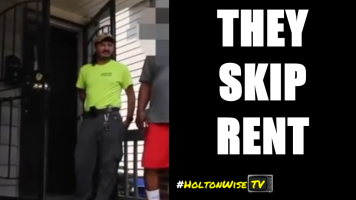
San Jose Investors: They Skip Rent… Then Blame You When You Evict Them
San Jose, California landlords hear it every day—“the landlord is the bad guy” when rent doesn’t get paid. But in California, the system lets tenants drag things out, make excuses, and stay in your property while you carry the costs. That’s why smart San Jose investors are taking their money out of California and putting it into landlord-friendly markets like Cleveland, Ohio; Kansas City, Missouri; and Little Rock, Arkansas—where leases are enforced and evictions aren’t treated like a crime. In these markets, it’s simple: pay your rent or get out, and your investment actually performs the way it’s supposed to.

San Francisco Investors: Tenant Excuses Don’t Pay the Rent—Evictions Do
San Francisco, California landlords are fed up—tenant-friendly laws, endless delays, and nonstop excuses don’t pay your mortgage. In California, tenants can drag things out, blame the system, and live in your property without paying while you take the loss. That’s why smart San Francisco investors are moving their money out of California and into landlord-friendly markets like Cleveland, Ohio; Indianapolis, Indiana; and Birmingham, Alabama—where it’s simple: pay your rent or get out. In these markets, leases are enforced, cash flow is consistent, and landlords can actually operate a real business instead of fighting broken policies.

Los Angeles Investors: Tenant Excuses Don’t Pay the Rent—Evictions Do
Los Angeles, California landlords are fed up—tenant-friendly laws, eviction delays, and nonstop excuses don’t pay your mortgage. In California, tenants can drag things out, blame the system, and sit in your property without paying while you take the hit. That’s why smart Los Angeles investors are moving their money out of California and into landlord-friendly markets like Cleveland, Ohio; Detroit, Michigan; and Memphis, Tennessee—where the rules are simple: pay your rent or get out. In these markets, leases are enforced, cash flow is consistent, and landlords can actually run a real business instead of fighting the system.

New York Investors: Tenant Excuses Don’t Pay the Rent—Evictions Do
New York landlords are waking up—tenant-friendly laws and endless excuses don’t pay your mortgage. In New York, tenants can drag things out, blame the system, and still live rent-free for months. But in landlord-friendly markets like Cleveland, Indianapolis and Memphis, the rules are simple: pay your rent or get evicted. Smart New York investors are taking their money out of broken systems and putting it into markets where leases are enforced, cash flow is consistent, and accountability still exists. This is what real investing looks like when the government isn’t working against you.

Bay Area Investors: 5.99% Investment Property Loans—Here’s How
For Bay Area, California investors dealing with high prices and rising interest rates, opportunities like this are changing the game. By investing in new construction with Rent To Retirement outside of California, you can tap into builder incentives and rate buydowns that bring your 30-year investment property loan down to around 5.99%—something that’s nearly impossible to find in the Bay Area, California. Smart investors are using this strategy to enter high-growth, landlord-friendly markets across the country where prices are lower, cash flow is stronger, and the rules make it easier to operate. It’s the same capital—just deployed in markets that actually work for you.
 Print
Print 