
HoltonWiseTV Highlights (53)
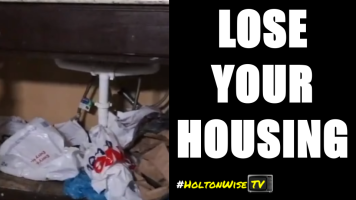
You Didn’t “Lose Your Housing”… You Got Evicted for Not Paying Rent
Too many people try to rewrite the story after an eviction. They say they “lost their housing” or were “forced out,” but the reality is much simpler: they stopped paying rent. Eviction is a legal process that comes after notices, warnings, and time to fix the problem. Landlords in markets like Cleveland, Detroit, Memphis, Chicago, Baltimore, Columbus, Philadelphia, and Houston deal with this reality every day. Personal responsibility isn’t oppression — it’s the basic agreement behind every lease.
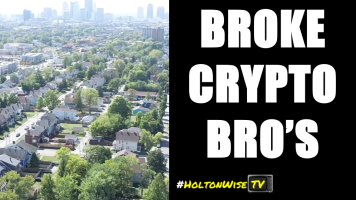
Crypto Bro's are Going Broke while Section 8 Landlords Get Paid
Crypto bros are out here losing millions chasing the next pump-and-dump coin while Section 8 landlords are doing something a lot less flashy but a lot more reliable — buying real properties, placing qualified tenants, and collecting rent every single month. In Section 8 markets like Cleveland, Columbus, Detroit, Memphis, Chicago, Baltimore, and Houston, investors focus on real assets that produce income from day one instead of hoping a coin moons overnight. You can’t live in Bitcoin, but people will always need a place to live, which is why many smart investors stick with Section 8 rentals and consistent cash flow instead of gambling on crypto hype.
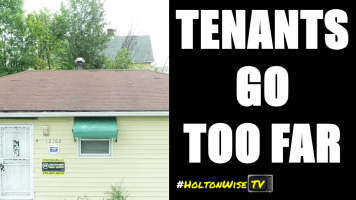
When Tenants Go Too Far: Dead Deer Edition
Some tenants take ‘bad behavior’ to a whole new level…like leaving dead deer carcasses by the dumpster. This is exactly what happened to me—but it could have been avoided if I had put my money into a safer, stress-free investment like a Stairway loan account paying 8% interest. Learn how to protect your money and your sanity with Stairway Invest.
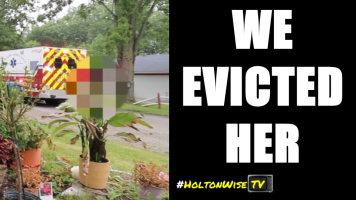
We Evicted Her…So She Called an Ambulance
Evictions are never fun—but some tenants take it to the next level. After being evicted, she decided the appropriate response was to call an ambulance! Watch how chaos unfolds when rules get ignored and emotions run wild.
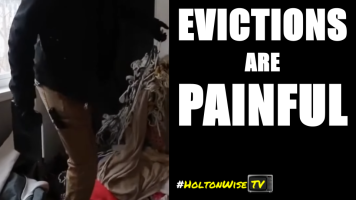
Evictions are Painful…But You Made it Easy for Us
Nobody enjoys filing an eviction—it’s slow, expensive, and stressful. But when tenants ignore the lease, skip months of rent, and act like the rules don’t apply, they’ve essentially evicted themselves. This is what landlords deal with every day, and why enforcing the rules is non-negotiable.
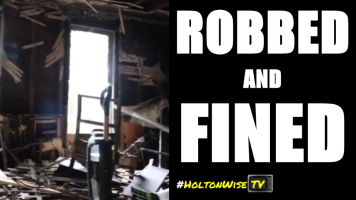
Cleveland Landlords Are Getting Robbed AND Fined—Here’s How to Stop It
Cleveland landlords, don’t get caught in the crossfire of lead paint fines and property crime. Pb Free has your back—handling lead paint certifications while also installing security systems to protect your vacant properties from break-ins, squatters, and theft. Stay legal, stay secure, and keep your investment safe.

Katy, Texas: The Houston Suburb Paying YOU $34K to Invest
Katy, Texas might not be on your radar yet, but out-of-state investors are starting to notice — and for good reason. Just outside Houston, this growing suburb is packed with new-build homes, cul-de-sacs, and room to scale, all perfectly set up for Rent to Retirement investors. Right now, deals like this one come with $34,428 in investor incentives, making it easier than ever to get cash flow from day one while building long-term wealth. If you’ve been looking for a Houston-area opportunity that combines growth, stability, and real profit, Katy is where smart money is heading.
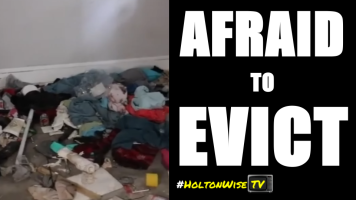
If Your Property Manager is Afraid to Evict… Your Investment is Screwed
Out-of-state investors rely on their property managers to enforce the lease and protect the asset — and that includes filing evictions when tenants stop paying. When a property manager is afraid to take action, small problems turn into massive losses fast. Theft, unpaid rent, utility issues, and property damage can spiral out of control while the investor sits hundreds or thousands of miles away. Tough, disciplined management is the only thing standing between a stable rental investment and total chaos. That’s exactly why we document the eviction process. Running a rental property business in markets like Cleveland, Detroit, Chicago, Memphis, Columbus, and Houston is a savage game. Investors need to see what really happens on the ground.
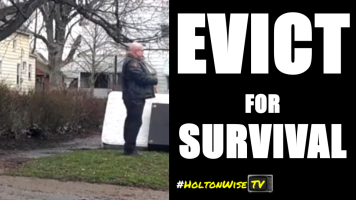
Landlords Don’t Evict for Fun — They Evict for Survival
Landlords don’t file evictions because they enjoy it — they do it because the numbers force them to. Property taxes, insurance, maintenance, and mortgages don’t stop just because the tenant stopped paying. When the rent stops coming in, the math stops working, and eviction becomes a matter of financial survival. This is the reality of rental housing that many people refuse to acknowledge, especially in working-class markets across Cleveland, Detroit, Chicago, Houston, Memphis, and other cash-flow cities.
Texas is Stealing Landlords from New York & California — Here’s Why
New York & California landlords are done with high taxes, crazy rules, and constant headaches. Texas offers no state income tax, landlord-friendly laws, and real cash flow — and with Rent to Retirement, you can turn Texas properties into long-term wealth and financial freedom fast.
LA ‘Investors’ Aren’t Investing — They’re Hoping
Los Angeles “investors” call themselves professionals, but they’re really just spectators — buying $1.2M homes in California and praying appreciation saves them. Real investing happens where numbers make sense from day one. In Cleveland, Detroit, Memphis, Chicago, and Baltimore, we buy for cash flow, even if it means dealing with evictions, turnovers, and chaos. If you want income instead of hope, you need to stop chasing comfort zones and start chasing real deals.
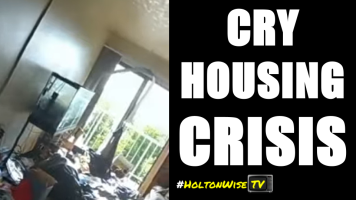
You Can’t Trash the House then Cry “Housing Crisis"
You can’t scream “housing crisis” while actively destroying the house you live in. Trash everywhere, holes in the walls, ripped-off AC units, and smoke detectors chirping because nobody bothered to change the battery — then people wonder why rents keep going up. This is the reality many landlords deal with in places like Cleveland, Detroit, Memphis, Indianapolis, Columbus, and Houston. When properties get destroyed, somebody has to pay for it, and those costs always make their way back into the market.
How High Do You Have to Be to Live Like This?
Some people treat their rental homes like a personal landfill — and you’ve got to wonder… how high do you have to be to live like this? Unfortunately, this is the harsh reality that Section 8 landlords in cities like Chicago, Cleveland, Columbus, Detroit, Houston, and Memphis face every single day. From trashed kitchens and destroyed walls to stolen appliances and ruined carpets, the damage can be shocking — and it’s all on the landlord to clean up.

Evictions Don’t Happen to Responsible People
Evictions don’t just happen out of nowhere — they happen when rent stops getting paid. On HoltonWiseTV, we break down the hard truth about evictions, tenant responsibility, and why landlords in markets like Cleveland, Columbus, Detroit, Indianapolis, Memphis, and Houston have to treat rental housing like a business. If you’re an out-of-state real estate investor, understanding how eviction works and why enforcing the lease matters is critical to protecting your investment.

Smart Money Is Leaving California & New York for Houston Texas
Investors are pulling their money out of high-tax, landlord-unfriendly states like California and New York and moving it to Texas, where population growth, low taxes, and landlord-friendly laws create real cash flow opportunities. Rent To Retirement is helping investors target the best Texas markets, like Houston, guiding them to properties that maximize long-term wealth while avoiding the pitfalls of restrictive blue-state policies.
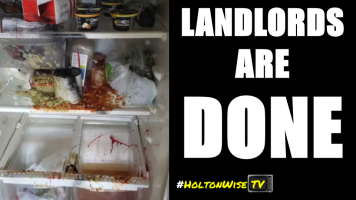
Landlords are Done with California
Landlords are leaving California in record numbers as rent control, eviction moratoriums, high taxes, and aggressive tenant policies continue to squeeze property owners. Many smart investors are taking their money out of California and redeploying it into landlord-friendly, cash-flow markets like Chicago, Cleveland, Columbus, Detroit, Houston, Indianapolis, and Memphis where property rights are stronger, prices are lower, and the numbers actually make sense for real estate investors.
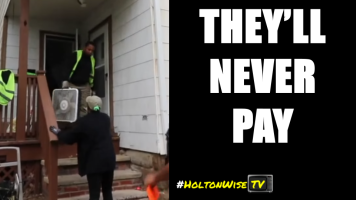
Late on Rent Once? They’ll Never Pay You Back
Do we work with tenants who are late on rent? Never. No excuse matters. If they don’t have $800 today, they won’t magically have $1,600 next month. Once they miss a payment, they’ve already lost your trust—don’t let promises or excuses cost you months of headaches and lost cash.
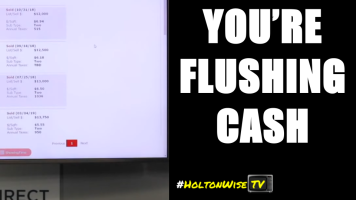
Think $100K is a Deal in Cleveland? You’re Flushing Cash!
You think you got a great deal buying this Cleveland property for $100K? Look at the comps—a quarter mile away, homes sold for $1,500… $10,000… $50,000. The day you buy this is the day you flush your money down the toilet. Don’t let the numbers lie to you—know the Cleveland market before you pay.
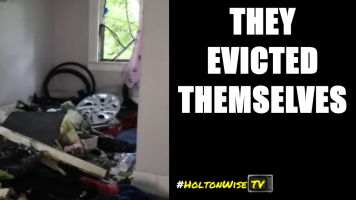
They Evicted Themselves—We Just Showed Up
Nobody wakes up excited to file an eviction—it’s expensive, slow, and frustrating. But when tenants in the cash flow jungles of Chicago, Cleveland, Columbus, Houston, Detroit, Kansas City, or Memphis ignore notices and refuse to pay, they’re not victims—they’ve evicted themselves. We’re just here to enforce the rules. No pay, no mercy.
Tenants Tip Tattoo Artists $100… Landlord Gets Nothing!
Some tenants will happily Venmo $100 to their tattoo artist, but the landlord who just dropped $7,000 on a new furnace? Crickets. It’s not charity—it’s business. You live there, you pay. No tip, no sympathy. Keep up that same energy on eviction day.
San Jose Investors: Goodbye California Taxes, Hello Houston Texas
San Jose investors are getting crushed by California prices and taxes, which is why more Bay Area buyers are looking at markets like Houston, Texas where population growth, landlord-friendly policies, and affordable entry prices create real cash flow opportunities. Katy, Texas — one of Houston’s fastest-growing suburbs — is attracting investors with its booming population, excellent schools, and family-friendly neighborhoods. Affordable entry prices combined with rising demand make it a prime spot for long-term rental income and property appreciation. Through our partnership with Rent To Retirement, investors can access turnkey rental properties in Katy, take advantage of professional property management, and start generating consistent cash flow without the typical headaches of out-of-state investing. It’s a simple way for San Jose investors to escape high taxes, tap into a landlord-friendly market, and grow their wealth strategically.
Eviction Isn’t Cruel — It’s Just Math
Eviction isn’t about being cruel — it’s about math. Tenants stop paying, and landlords take action. Out-of-state investors in Cleveland, Columbus, Detroit, Indianapolis, Memphis, and Houston know this all too well: enforcing leases and handling evictions is part of protecting cash flow and running a successful rental business.

NY Landlords, Take Notes: Cluttered Tenants Are Section 8 Gold
NY landlords, take note — the tenants you overlook in your city are exactly the type of renters we love in our markets. Those with walls full of knick-knacks, rugs, and clutter? They’re settled, rooted, and unlikely to move, making them ideal long-term tenants. Investors in Cleveland, Columbus, Detroit, Indianapolis, Memphis, and Houston know that these “cluttered” tenants are pure gold for reliable cash flow and Section 8-friendly rentals.
Eviction Day: Tenants Who Dare Us Finally Face the Consequences
Nobody wakes up excited to file an eviction… except maybe me. When tenants ignore notices, skip months of rent, and think the lease doesn’t apply to them, they’re asking for trouble. Watch as we handle the chaos and show what happens when you push too far.
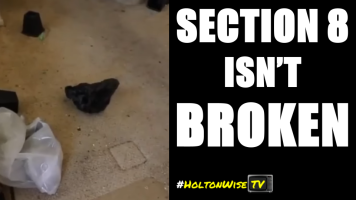
Section 8 Isn’t Broken — Entitlement Is
Plenty of Section 8 tenants are model renters — they pay their portion on time, follow the rules, and cause no drama. The program works when tenants respect the lease, but entitlement changes everything. When tenants think a subsidy means immunity from rules, eviction becomes inevitable. Landlords aren’t punishing the program — they’re enforcing the lease.
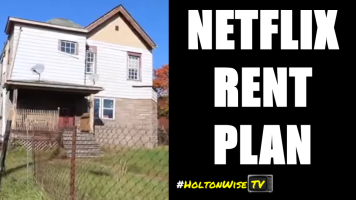
What if Rent Worked like Netflix? Basic, Premium, and VIP Landlord Service
What if rent worked like a Netflix service plan? Basic rent gets basic response times on repairs. Want priority service, faster maintenance, and premium attention? That’s a higher tier. Everyone says landlords should provide five-star service no matter what the rent is, but that’s not how any other service works. When you pay for economy, you get economy. The question is — would tenants actually pay more for better service, or do they just expect it for free?

Your Rent is Late… But the iPhone is Brand New? Priorities
Everyone says capitalism is evil when the rent is due, but somehow the newest iPhone, fresh sneakers, streaming subscriptions, and DoorDash five nights a week still fit in the budget. Being broke isn’t always about income — sometimes it’s about priorities. And landlords shouldn’t be blamed for the financial choices tenants make before eviction day arrives.
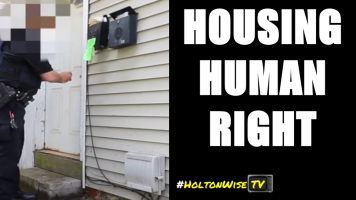
Housing Is a Human Right? Cool — Then YOU Pay for the Roof
Everyone loves saying housing is a right until the bills show up. Who buys the property, replaces the stolen $3,000 air conditioner, fixes the roof, and deals with the damage when things go sideways? If housing is a “right,” are you volunteering your paycheck, or is it only the landlord’s investment that’s supposed to cover everything?

Eviction Day: Section 8ers Can’t Change Smoke Detectors & are Obsessed with Fish Tanks - Why?
Eviction day in Section 8 rentals is always an adventure. Most Section 8 tenants can’t even change smoke detector batteries, while others are obsessed with fish tanks—this one was both. If you’ve ever wondered what landlords deal with behind the scenes, HoltonWiseTV shows it all.

How I Overcame Fear and Turned $36K Into My First Big Investment
Fear keeps most people from taking their first investment step—but it doesn’t have to. I share how I turned a $36K rental into my first big win, why stressing about the worst-case scenario won’t help, and how taking that leap in Section 8 markets like Cleveland, Detroit, Indianapolis, Memphis, Philadelphia, and Newark can start building serious cash flow. If you’re afraid to make your move, this is your wake-up call.
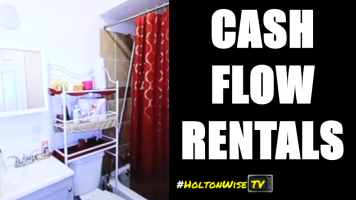
Why Bay Area Investors are Snapping Up these Cash Flow Rentals — Look at what Tenants Reveal
California investors, don’t miss out! While housing costs soar at home in the Bay Area, markets like Cleveland, Detroit, Chicago, Indianapolis, Memphis, Philadelphia, and Newark are full of Section 8 cash flow opportunities. Learn how to spot stable tenants at a glance and make smarter investments by understanding who’s already living in these units. If you want reliable rental income outside of California, this is your playbook.
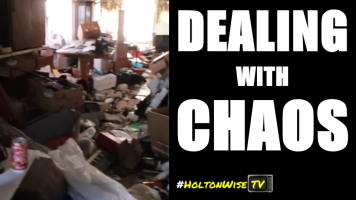
Tip Your Landlord — Or Deal With This Chaos
Everyone wants passive income until they see the chaos behind the scenes: late rent, evictions, broken furnaces, and destroyed units. Landlords handle all of it, and yes, that stress deserves gratitude. If you want smooth rentals and financial freedom, tipping your landlord isn’t optional — it’s smart.
Orange County Investors: Watch this Eviction Before Buying Out-of-State Rentals
Orange County and California investors: before you buy out-of-state rentals in Chicago, Memphis, Indianapolis, Cleveland, Detroit, Philadelphia, or Newark, watch this eviction. Everyone talks about passive income and financial freedom, but nobody shows the messy reality of eviction day. If you’re serious about cash flow in these markets, you need to understand the risks, the headaches, and how the right team handles them. This is what real out-of-state investing really looks like.
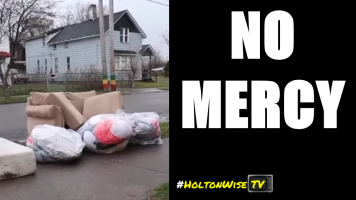
No Pay, No Mercy: Eviction Day Justice
Some tenants think they can get away with not paying and trashing your property. Watch what happens when eviction day arrives—no pay, no mercy.
Why Bay Area Investors Should Be Buying in Cleveland Now
Bay Area investors are missing out on Cleveland’s massive cash flow opportunities. Properties that rented for $720–$830 a few years ago are now $1,100—and that’s just the start. Imagine owning 10, 20, or 30 units and watching rents grow while your mortgage stays the same. Buy now at low prices, let rents climb, and lock in long-term wealth before everyone else catches on.

Where are Her Baby Daddies on Eviction Day?!
Eviction day is tough, but imagine facing it completely alone. This mom is left to handle everything herself while the fathers of her kids are nowhere to be found. No support, no backup, just the harsh reality of eviction day—and the chaos that comes with it.
You Tip Your Burrito But Not Your Landlord?!
You’re happy to throw 25% on a burrito delivery, but the person keeping a roof over your head 12 months a year? Crickets. Landlords provide service, maintenance, and peace of mind—why aren’t they getting tipped too? Let’s talk about the tipping hypocrisy no one wants to admit.
Los Angeles Investors: Eviction Day Reality Check
Los Angeles investors, in LA, everyone shows up polished, hoping appreciation will save them. In the Midwest — Cleveland, Detroit, Chicago, Memphis, Baltimore — eviction day tells the real story. I’ve evicted thousands of tenants, and not a single one showed up ready to work. Chaos, missed rent, and turnover? That’s where opportunity lives. If you can manage the mess and run your numbers, you turn these difficult properties into predictable cash flow and long-term wealth — something $1M+ LA properties rarely offer.
Punta Gorda: Snowbirds, Growth, and Big Profits
Punta Gorda is a hotspot for snowbirds, vacationers, and responsible tenants with good credit, strong jobs, and long-term stability. Population is growing, demand is rising, and rents and property values keep climbing. This isn’t Section 8 chaos — this is high-end, desirable real estate that appreciates over time. Through our partnership with Rent To Retirement, you get access to turnkey properties, professional property management, and builder incentives, making it easier than ever to invest in a market built for cash flow and long-term wealth in Punta Gorda, Florida.
Deadbeat Gets Evicted — Don’t Feel Sorry
Some tenants think they can steal, skip out, or make excuses — and still get sympathy. Newsflash: you get evicted because you didn’t pay, not because the landlord is “mean.” On HoltonWiseTV, we show the real side of investing — evictions, chaos, and accountability. If you can handle the uncomfortable, enforce the rules, and run your rentals like a business, you’ll build wealth in low cost cities like Cleveland, Detroit, Memphis, Chicago, and Baltimore that most California investors can only dream of.
Los Angeles Investors: Most Quit Right Here
Los Angeles investors, this is the point where most people quit. They see evictions, damage, trash — and they walk away. That’s exactly why these cash flow deals exist. In Cleveland, Detroit, Memphis, Chicago, and Baltimore, chaos creates opportunity. If you can stay calm, run the numbers, and execute, you turn the mess others avoid into serious cash flow and long-term equity. While LA investors fight over overpriced, polished properties in California, you can lock in predictable returns where others fear to tread.
Landlords Deserve Tips — Prove Me Wrong
Tenants love screaming that housing is a human right — but maintenance calls at 9pm, brand new renovations, and lightning-fast service aren’t rights… they’re services. And in America, services get tipped. Subscribe to HoltonWiseTV, we break down why landlords aren’t charities, why “just pay your rent” is the bare minimum, and why the same people demanding 5-star living conditions would never dream of tipping the person actually providing it. Landlords deserve tips — prove me wrong.
Orange County Investors: Eviction Day Chaos — 11 Kids, No Excuses
Orange County investors, this is the reality most California investors never see. On eviction day, with 11 kids, excuses flying, and total chaos, the properties might look scary — but this is where real cash flow comes from. In low income markets like Cleveland, Detroit, Memphis, Chicago, and Baltimore, the numbers make sense even when tenants test the limits. Handling the messy, uncomfortable, and unpredictable is exactly how you turn out-of-state rentals into long-term wealth. If you want predictable income and strong returns that California can’t deliver, this is your blueprint.
Bugs, Darkness, and a Butcher Knife?!
Sometimes “move-in ready” isn’t what it seems. In this unit, the tenant discovered bugs, darkness, and a little chaos — and things got intense fast. We show the real side of rental properties that most investors never see: messy tenants, unexpected challenges, and the unpredictable moments that turn a normal day into a story you won’t forget. If you want to see why managing rentals isn’t for the faint of heart — and why the profit comes from handling the ugly — this is your front-row seat.
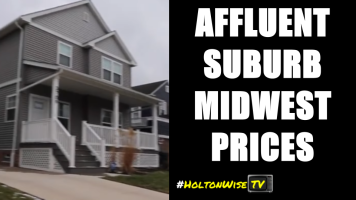
San Jose Investors: Affluent Suburb, Midwest Prices
San Jose investors, imagine owning in an affluent suburb with strong schools, low crime, and proximity to major hospitals and downtown — but at Midwest prices. That’s Shaker Heights, just outside Cleveland, Ohio. This isn’t a speculative inner-city gamble, and it’s not a $1.8M Silicon Valley entry point either. It’s a stable, A-grade suburb where doctors, lawyers, and professionals drive the local economy, supporting higher rents and longer-term tenants who want access to quality schools and services. If you’re looking to redeploy Bay Area equity into a market with real cash flow and strong neighborhood fundamentals, this is the kind of Midwest asset you should be studying.
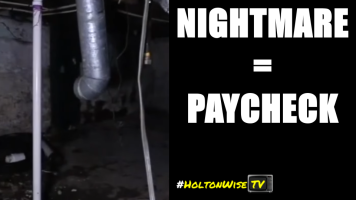
Los Angeles Investors: Nightmare = Paycheck
Los Angeles investors, in LA this looks like a liability. In Cleveland, Chicago, Detroit, Memphis, and Baltimore, this is a paycheck. The mess is temporary — the equity and cash flow are long term. When you buy at the right price, clean it out, stabilize the tenant, and manage the asset properly, you lock in returns that simply don’t exist at $1M+ entry points in Southern California. If you’re tired of relying on appreciation and want durable, monthly income backed by real margins, this is what investing outside Los Angeles actually looks like.
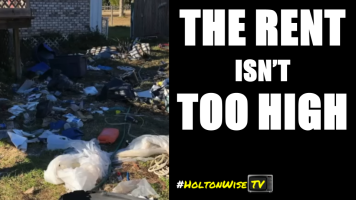
The Rent Isn’t Too Damn High — You Are
Everyone complains about high rent — but the truth? Most of it is self-inflicted. Stop living beyond your means, stop wasting money on DoorDash and extras, and start budgeting like your landlord does. In this video, I break down why taking responsibility, working harder, and managing your money properly will put you ahead — while whining and blaming the economy keeps you behind. Learn the mindset that separates tenants from wealth-building investors.
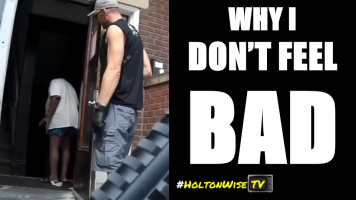
Orange County Investors: Why I Don’t Feel Bad on Eviction Day
Orange County investors, in Southern California one vacancy can wipe out your entire year’s profit. In markets like Cleveland, Detroit, Memphis, Chicago, and Baltimore, eviction day isn’t emotional — it’s operational. This business runs on accountability. When you buy at the right price, enforce leases, and manage the asset properly, the numbers still work even when tenants don’t. The difference between fragile appreciation plays in OC and durable cash-flow assets in the Midwest is simple: margin. If you’re serious about building predictable income instead of hoping appreciation saves you, it’s time to understand how real operators handle eviction day.
San Jose Investors: Why Section 8 Wins in Rough Areas
San Jose investors, if you’re buying in lower-priced Midwest markets like Cleveland, Detroit, Memphis, Chicago, or Baltimore, you need to understand tenant strategy — not just purchase price. In certain C- and D-class neighborhoods, Section 8 isn’t the risk… it’s the stability. Government-backed rent payments can create more consistent cash flow than rolling the dice on unqualified tenants. The key isn’t avoiding tough areas — it’s knowing how to operate in them. If you’re serious about turning Silicon Valley equity into reliable Midwest income, you need to understand why Section 8 can be the smartest play in the right neighborhoods.
Tenant Eviction Ends in Ambulance Ride
We showed up to enforce a court-ordered eviction… and it ended with flashing lights and an ambulance pulling up to the property. This is the reality of landlording that nobody on the internet wants to talk about. When tenants stop paying and the legal process plays out, things can escalate fast. On HoltonWiseTV, we don’t sugarcoat it—we show you the raw footage, the chaos, and what investors actually deal with when managing rental properties in the real world. If you think being a landlord is “easy money,” watch this and decide for yourself.
 Print
Print 