
HoltonWiseTV Highlights (61)
LA Investor Lost $30K Buying a Cleveland Section 8 Rental
A Los Angeles investor thought they were buying a Cleveland Section 8 rental with strong ROI, but they missed the bigger issue: return OF investment comes before return ON investment. If you overpay on day one, the rent, voucher, and spreadsheet fantasy do not save you. Before you jump into the Cleveland market from out of state, make sure you actually understand the neighborhood, the numbers, the rehab, the rent, and the real value of the property. Otherwise, you can end up underwater the day you close.

Milwaukee Real Estate Investor Life Hack: The Duplex Detail Everyone Misses
Milwaukee duplex investors need to understand one small detail that can make a huge difference in long-term rental performance: layout. Everyone wants to talk price, rent, taxes, and cap rate, but the physical setup of the duplex matters too. In Milwaukee, a side-by-side duplex can be a better rental than an up-and-down because tenants often get more privacy, more of a single-family feel, easier access, and fewer shared-space headaches. If you’re buying Milwaukee rental properties, don’t just look at the numbers. Look at how the property actually lives.
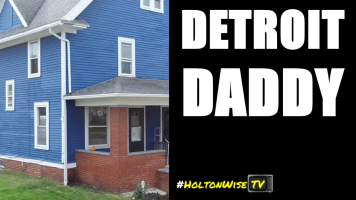
Detroit: Your Landlord is Not Your Daddy
Detroit landlords, your rental property is not a charity and you are not your tenant’s daddy. On HoltonWiseTV, we break down the hard truth of rental property investing: when tenants stop paying rent, they are not your responsibility — they are costing you money, forcing you to cover their life, and stealing from your business. If you want to survive as a landlord in Detroit, you need to stop managing with feelings, start treating rentals like a business, and understand that eviction is sometimes the only responsible move.

10,000 Cleveland Houses a Year… Now You’re a House Flipper
Everybody wants to flip houses, but nobody wants to do the boring work. If you want to become a real house flipper in Cleveland, Ohio, you need volume. You need to analyze deal after deal, run the numbers, do the due diligence, and make offer after offer after offer. You want to flip 10 houses a year? You better be looking at hundreds, maybe thousands of opportunities. You want to scale even bigger? That’s where the 10,000 Cleveland houses mindset comes in. House flipping is not sexy. It’s not magic. It’s not some guru secret. It’s math, discipline, and relentless offer volume. This is how real Cleveland investors find deals.

Peoria: Banks Hate This Property… Seller Financing Loves It
Peoria, Illinois is exactly the type of underserved Midwest market out-of-state investors should be paying attention to. When a property is non-conforming, has added units, or creates problems for conventional lenders, most buyers run away because the bank won’t touch it. But that is also where seller financing opportunities can appear. If you are a California, New York, or out-of-state investor looking for cash flow in cheaper markets, you need to understand how weird, old, grandfathered-in properties can create problems — and opportunity — at the same time.

Mini Obama Mayor Justin Bibb Makes Evicting Squatters Illegal in Cleveland
Mini Obama Mayor Justin Bibb just gave out-of-state Cleveland landlords another reason to be worried. Imagine buying a property in Cleveland, paying the taxes, paying the insurance, taking all the risk, and then being told by the city that you need a local agent in charge before you can properly protect your own asset. That is the kind of red tape Cleveland property owners are now dealing with. Squatters, problem tenants, and government bureaucracy are already hard enough, and now the city is making it even harder for out-of-state investors to operate without local representation. That is why HoltonWiseTV has you covered. Cleveland area resident Zak Burkons has launched CleLocalAgent to provide local agent in charge services for out-of-state investors who need someone on the ground making sure their Cleveland rentals stay compliant, protected, and profitable.

Jacksonville Isn’t Disney World — It’s Defense Money
California and New York investors are used to brutal prices, weak cash flow, tenant-friendly laws, and markets where it is hard to make the numbers work. That is why Rent To Retirement is helping investors look at stronger out-of-state opportunities in places like Jacksonville, Florida. Jacksonville is not just another tourism-driven Florida market. The economy has real depth with healthcare, finance, logistics, military, and defense-related jobs helping support long-term rental demand. Do not just look at today’s rent. Look at where the market could be five and ten years from now. For investors leaving California and New York, Jacksonville offers a chance to buy in a growing market with better landlord fundamentals, stronger long-term upside, and a team that can help you do it the right way.

Gary Indiana: Section 8 Tenants Living in Absolute Filth
Gary, Indiana looks cheap on paper, and that is exactly why so many out-of-state investors get interested. Low prices, big rent numbers, Section 8 demand, and potential cash flow all sound great until you see what can actually happen inside the property. Some tenants will live in absolute filth, destroy the asset, ignore basic responsibilities, and turn what looked like an easy cash-flow deal into a nightmare. This is why you cannot invest in Gary, Indiana blind. You need experienced boots on the ground, real tenant screening, tough management, realistic repair budgeting, and a company like Holton-Wise that understands how to navigate rough Section 8 rentals and still make the numbers work.

Los Angeles Investors: If They Never Lost, They’re Lying
Los Angeles investors get pitched “can’t lose” out-of-state rental deals all the time, but real estate does not work that way. Any investor who has been in the game long enough has taken losses, including me. The difference is experienced investors know how to manage risk, survive bad deals, learn from mistakes, and keep winning over the long term. If some guru, turnkey company, wholesaler, or agent tells you they have never lost money on a deal, they are either brand new, or lying to your face.

The Ugly Side of Pittsburgh Rental Properties
Pittsburgh rental properties can produce real cash flow, but this is the ugly side most gurus do not show you. Evictions, chaos, damage, bad tenants, inherited problems, and messy situations are part of the business when you invest in working-class rental markets. On HoltonWiseTV, we show the real-world side of real estate investing in Section 8 cash flow markets like Pittsburgh so out-of-state investors understand what they are actually buying, why boots on the ground matter, and why cheap properties are never as passive as people pretend.
San Jose Investors: 100% ROI in Gary? What’s the Catch?
San Jose investors, when someone pitches you a Gary, Indiana duplex with a 100% ROI or a 32% cap rate, your first question should be: what’s the catch? Cheap properties can look incredible on paper, especially compared to California prices, but monster returns usually come with monster risk. On HoltonWiseTV, we break down why out-of-state investors need to analyze the numbers, the neighborhood, the tenants, the repairs, the management, and the real-world red flags before buying into a “too good to be true” cash flow deal.
Los Angeles Investors: $129K Buys the Whole Freaking Thing in Milwaukee
Los Angeles investors, this is exactly why you need real boots on the ground when buying out of state. A $129K Milwaukee property might look insane compared to California prices, but cheap does not automatically mean good. On HoltonWiseTV, we break down the numbers, the listing agent’s claims, the upside, the risks, and the red flags an out-of-state buyer could easily miss. If you want help analyzing deals, avoiding garbage properties, and buying rentals in markets like Milwaukee with an experienced investment consulting team behind you, Holton-Wise can help you make smarter moves from California.

San Francisco Eviction: Don't be Afraid of The Race Card
San Francisco landlords are tired of walking on eggshells, dealing with tenant-friendly rules, eviction delays, and racial discrimination accusations that magically appear the second rent stops getting paid. In this video, I break down why proper paperwork, leases, payment history, repair logs, and notices are your best protection as a landlord, and why many California investors are choosing to leave San Francisco, Los Angeles, San Diego, San Jose, Sacramento, and the Bay Area behind to buy rentals in better out-of-state markets like Cleveland, Akron, Toledo, Columbus, Cincinnati, Detroit, Indianapolis, Memphis, Chicago, and Birmingham.

Los Angeles: Seller Financing Lets You Buy Rentals Without Killing Your DTI
Los Angeles investors are getting crushed by high prices, tight lending, and DTI limits, but seller financing can open the door to buying more rental properties without relying on traditional banks for every single deal. In this video, I break down why seller financing is such a powerful tool for out-of-state investors and how I’ve used it to build a large rental portfolio by targeting the right sellers in markets like Cleveland, Akron, Toledo, Columbus, Cincinnati, Detroit, Indianapolis, Memphis, Chicago, and Birmingham. If you’re trying to scale outside of California, seller financing may be one of the biggest advantages you can learn how to use.
San Diego: How We’re Getting 5.99% Mortgages While Everyone Else Pays 7%
San Diego investors are getting crushed by high prices, weak cash flow, and expensive mortgages, but Rent To Retirement is helping investors go out of state into better long-term markets like Florida and Texas where new construction rentals, builder credits, and 5.99% mortgage opportunities still exist. Instead of trying to force the numbers in California, smart investors are using Rent To Retirement to access A-grade neighborhoods, brand-new properties, lower-maintenance rentals, and financing incentives that can make a major difference over the life of the investment.

New York: Section 8 is How You Eat in the Hood
New York investors are surrounded by rent-free culture, tenant-friendly nonsense, eviction delays, endless excuses, and a system that acts like landlords are supposed to provide free housing while still paying the mortgage, taxes, insurance, repairs, and utilities. That’s why Section 8 can be such a powerful strategy in rougher neighborhoods: the rent check is backed by the voucher, not the tenant’s excuses. But if you’re tired of New York’s anti-landlord environment, it might be time to take your capital out of state and start looking at markets like Cleveland, Pittsburgh, Detroit, Memphis, and Chicago where the prices are lower, the cash flow is stronger, and investors still have a fighting chance.

San Francisco: Eviction Day Suddenly Becomes “Racial Discrimination”
San Francisco landlords already deal with some of the most tenant-friendly laws in the country, but it gets even worse when a simple eviction over unpaid rent or lease violations suddenly turns into accusations of “racial discrimination.” This is why documentation, proper notices, clean tenant screening, and professional property management matter. But it’s also why so many California investors are done playing defense in markets like San Francisco, Oakland, San Jose, Los Angeles, and Sacramento. Instead of fighting impossible landlord laws at home, smart investors are going out of state to markets like Cleveland, Akron, Detroit, Memphis, and Chicago where the numbers make more sense, the entry prices are lower, and landlords still have a fighting chance.

Cleveland Tenants Pay Your Mortgage, You Get Rich
In Cleveland, rental property investing gets powerful when you understand principal paydown. You buy the asset with leverage, the bank funds most of the deal, and the tenant’s rent helps pay down your mortgage every single month. That is how long-term landlords build wealth: cash flow, appreciation, tax benefits, and loan paydown all working together while someone else helps retire the debt. Cleveland investors who understand this are not just chasing rent checks — they are building real equity over time.

Los Angeles: What Do You Do when a Tenant Plays the Race Card during Eviction?
Los Angeles landlords already deal with some of the most tenant-friendly laws in the country, and when an eviction turns into racial discrimination accusations, delays, and legal headaches, investors start asking the real question: why keep buying in California? In better out-of-state markets like Cleveland, Detroit, Memphis, Akron, Toledo, and Indianapolis, investors can find lower prices, stronger cash flow, and a more practical landlord-tenant environment. Fair housing laws matter everywhere, but so does enforcing the lease, collecting rent, and protecting your investment.

Los Angeles: This “4-Unit” Problem Could Be a Seller Financing Goldmine
Los Angeles investors are used to overpriced deals, brutal regulations, and banks that want everything to fit perfectly inside their little lending box. But this is exactly where real opportunity can show up. The seller says this property has 4 units, but the county auditor only shows 2 units, which creates a non-conforming financing problem that scares off traditional buyers and conventional lenders. That problem may be the leverage needed to structure a seller financing deal. When banks say no, sellers either sit on the market forever or get creative. For LA investors looking out of state, this is why you need someone who knows how to spot messy deals, understand the risk, and turn seller problems into investor opportunities.

SoCal Investor Buys Out of State… Squatters Stole His Front Door
A SoCal investor bought out of state looking for cash flow, but without the right boots on the ground, that “passive income” dream turned into a squatter nightmare so bad they stole the front door. This is exactly why California investors cannot treat Section 8 markets like Cleveland, Kansas City, Chicago, and Baltimore like some easy button where you just wire money and collect checks. These markets can produce serious cash flow, but only if you have real local management, real inspections, real tenant screening, real eviction experience, and people who can physically get eyes on the property before the damage gets out of control. Out-of-state investing works, but only when you have professionals on the ground protecting your asset from day one.

LA: This is What Eviction is Supposed to Look Like
Los Angeles investors have been trained to feel bad every time an eviction happens, but the truth is simple: eviction is what happens when tenants stop paying and landlords are forced to protect their property, their income, and their future. California’s tenant-friendly system has made it harder, slower, and more expensive for landlords to remove non-paying tenants, which is exactly why so many LA investors are looking out of state for markets where the rules still make sense. In places like Cleveland, Philadelphia, Detroit, Memphis, and Chicago, investors can still buy cash-flowing rentals, work with Section 8, and build wealth without being treated like the villain for enforcing a lease. This is what eviction is supposed to look like: consequences, accountability, and landlords taking back control.

Chicago: Your Section 8 Rental Needs to Be Murder Proof
Chicago Section 8 investors need to understand that rental durability matters. Carpet gets destroyed, stained, replaced, and paid for over and over again. Hardwood floors, vinyl flooring, solid materials, and simple layouts are what help landlords survive turnover, tenant damage, pets, kids, and the ugly side of rental property ownership. In the Chicago market, where investors are chasing cash flow, Section 8 rents, and long-term portfolio growth, your units need to be built like a tank. James Wise breaks down why smart Chicago landlords avoid fragile finishes and make their rentals as tenant-proof as possible.

New York: Your Landlord Ain’t Your Daddy
New York investors are tired of being treated like financial safety nets for tenants who stop paying rent. Your rental property is not a charity, and you are not your tenant’s daddy. If tenants don’t pay, eviction is the consequence, not a tragedy. If you’re sick of New York’s tenant-friendly nonsense, it may be time to look out of state into markets like Columbus, Toledo, and Chicago, where lower price points, stronger cash flow potential, and more landlord-friendly investing strategies can actually make sense. On HoltonWiseTV, we break down the real-world side of rental property investing without all the feelings.

San Francisco: Your Landlord Ain’t Your Daddy
San Francisco investors are tired of being treated like financial safety nets for tenants who stop paying rent. Your rental property is not a charity, and you are not your tenant’s daddy. If tenants don’t pay, eviction is the consequence, not a tragedy. If you’re sick of California’s tenant-friendly nonsense, it may be time to look out of state into markets like Cleveland, Detroit, and Memphis, where lower price points, stronger cash flow potential, and more landlord-friendly investing strategies can actually make sense. On HoltonWiseTV, we break down the real-world side of rental property investing without all the feelings.

Los Angeles Investors: Military, Healthcare, Finance — That’s Jacksonville
Los Angeles investors looking for better rental markets need to understand why Jacksonville makes sense. This is not just some Florida tourist economy built on beach vacations and short-term rentals. Jacksonville has real economic drivers like military, healthcare, finance, logistics, and military contractors creating long-term rental demand. For California investors tired of overpriced properties, weak cash flow, and tenant-friendly headaches, Rent To Retirement gives investors a way to go out of state into markets like Jacksonville with stronger fundamentals, newer inventory, and a more landlord-friendly environment.
New York: The Free Rent Fantasy Ends With Eviction
New York investors are sick of watching the free rent fantasy get protected while landlords are left paying the mortgage, taxes, insurance, repairs, maintenance, and legal bills. When tenants stop paying, there has to be a consequence, and that consequence is called eviction. This is exactly why more New York investors are looking out of state to better rental markets like Cleveland, Detroit, Memphis, Indianapolis, Pittsburgh, and Chicago, where the numbers can make more sense, the entry prices are lower, and landlords are not expected to bankroll someone else’s fantasy of consequence-free housing.

Bay Area: Free Rent is just Theft with a Sob Story
Bay Area investors are tired of being treated like villains for expecting rent to be paid. The landlord still has a mortgage, taxes, insurance, repairs, maintenance, utilities, and legal bills, but California’s tenant-friendly eviction culture acts like rental housing should somehow be free when a tenant stops paying. This is exactly why more California investors are looking out of state to landlord-friendlier markets like Cleveland, Memphis, Detroit, Indianapolis, Pittsburgh, and Chicago, where the numbers can make more sense and investors are not stuck funding someone else’s free ride.

San Diego: Gardens are a Tenant Red Flag
San Diego investors buying out-of-state rentals in markets like Cleveland, Chicago, Detroit, Memphis, and other cash-flow cities need to understand that tenant screening is not about who seems nice at the showing. When an applicant starts trying to build a personal connection, talking about planting gardens, making the house a home, or being the “perfect long-term tenant,” that can be a subtle red flag. They may be trying to lower your guard so you skip the hard questions, rush the approval, or overlook problems in their background. Out-of-state investors cannot afford to manage based on good vibes. You need strict screening standards, verified income, rental history, background checks, and a professional boots-on-the-ground team that does not get emotionally manipulated by a charming applicant.

Los Angeles: No Pain, No Discount — This Seller isn’t Desperate Enough to Fold
Los Angeles sellers are used to having leverage in an overpriced market, but that mindset can get them in trouble when they start buying out-of-state Section 8 rentals. In this video, James Wise breaks down why you can’t just lowball every seller and expect them to fold. If the seller has no real pain, a solid tenant, and stable Section 8 income, they are not desperate enough to hand you a massive discount. When they go to popular Section 8 markets like Cleveland, Chicago, Detroit, Memphis, and Pittsburgh, California investors need to understand the difference between a motivated seller and a strong seller, because the real money is made by knowing when to attack, when to negotiate, and when a good cash-flow deal is still worth buying without stealing it.

San Francisco: Stop Being a Piece of Crap & You Won’t Get Evicted
San Francisco investors are sick and tired of the tenant-friendly crying every time a landlord finally enforces the lease. Evictions do not happen because landlords are mean. Evictions happen when people stop paying rent, ignore notices, abuse the system, and expect property owners to carry the financial burden forever. If you are a California landlord watching your profits get eaten alive by nonpaying tenants, endless delays, rent control, and anti-landlord politics, it may be time to stop fighting a losing battle and start investing in more landlord-friendly markets where rent is expected, leases matter, and consequences still exist. This is why so many California investors are taking their money out of San Francisco, Los Angeles, San Jose, and the Bay Area and putting it into cash-flow markets like Cleveland, Akron, Pittsburgh, Indianapolis, and Chicago.
Los Angeles Investors: Don’t Chase Market Rent and Create a Vacancy
Los Angeles investors, leaving California for a landlord-friendly out-of-state market can feel like freedom. No brutal rent control, no endless anti-landlord rules, no feeling trapped by California’s rental laws. But that doesn’t mean you should go nuts and jack every tenant straight to market rent overnight. In this video, I break down why smart landlords raise rents strategically, not emotionally. A huge rent increase might look good on paper, but if it triggers a vacancy, turnover, repairs, leasing costs, and months of lost rent, you may have just destroyed your own cash flow. The goal is not just higher rent. The goal is higher profit, lower vacancy, and long-term control of the asset.

San Jose: This is What Eviction is Supposed to Look Like
San Jose investors are used to California’s slow, expensive, tenant-friendly eviction process, but this is what eviction is supposed to look like when a tenant stops paying rent and refuses to leave. Real estate investing only works when contracts are enforced, rent is collected, and landlords can actually regain control of their property. That is why more San Jose investors are looking out of state to landlord-friendly markets where the rules still make sense, the numbers actually cash flow, and owners are not forced to provide months of free housing.
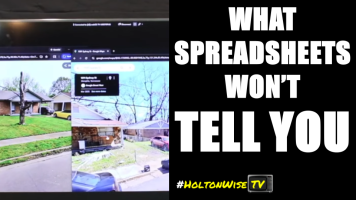
LA Investors: The Spreadsheet Won’t Tell You It’s the Ghetto
LA investors are leaving California and going out of state for better cash flow, lower prices, and landlord-friendly markets, but the spreadsheet does not tell the whole story. A rental can look amazing on paper and still be a disaster if you do not understand the neighborhood. You can make money in stable areas, and you can make money in rough areas, but you better know exactly what you are buying. That is why working with experienced operators and companies like Rent To Retirement matters when you are investing out of state from Los Angeles.

Out-of-State Cash Flow Looks Great… Until the Basement Floods
California and New York investors love the idea of buying out-of-state rentals with better cash flow, lower prices, and stronger ROI, but the spreadsheet is only half the game. When a broken water line floods a basement and 20,000 gallons of water need to be pumped out fast, you find out real quick why boots on the ground matter. Numbers on a screen do not handle emergencies. Experienced local property management does.

Los Angeles Investors: Amateur Landlords Create Cash Flow Deals
Los Angeles, California investors are used to overpriced properties, weak cash flow, and brutal landlord laws, but out-of-state markets create a completely different opportunity. Some of the best rental property deals come from amateur landlords who inherited a property, rented it years ago, never raised the rent, let leases go month-to-month, and don’t fully understand what their asset could produce with professional management. That under-rented property may look average to them, but to a serious investor with the right team, it can become a cash-flowing rental with major upside in better markets outside of Los Angeles.
San Francisco: Evictions Are Good, Stop Crying
San Francisco, California landlords are not the villains for enforcing rental contracts. Eviction is not the problem. Eviction is the result of tenants not paying rent, ignoring lease terms, and forcing property owners through a long, expensive legal process just to regain control of their own property. This is why smart investors are looking outside tenant-friendly cities like San Francisco and moving their money into better out-of-state rental markets with lower prices, stronger cash flow, and more landlord-friendly laws.
5 99% Mortgages Beat New York Headaches
New York investors are tired of overpriced properties, tenant-friendly laws, weak cash flow, and all the headaches that come with trying to build wealth in one of the toughest rental markets in the country. That is why more New York investors are looking out of state to better long-term markets where new construction, A-grade neighborhoods, builder incentives, and stronger rental fundamentals actually make sense. With Rent To Retirement, investors can access new construction rental properties with builder-backed incentives like 5.99% mortgage rates, helping improve long-term cash flow and making it easier to build a real rental portfolio outside of New York.

110% ROI Fantasy vs Section 8 Reality in Cleveland
Cleveland, Ohio investors need to understand the difference between spreadsheet fantasy and real Section 8 reality. Yes, a property with inherited tenants paying $300, $400, and $600 a month might look like it has insane upside if you raise everyone to market rent and magically collect every dollar, but that is not how low-income rentals usually work. In neighborhoods like this, the smarter play is often transitioning to Section 8, stabilizing the rent roll, and getting consistent government-backed rental income instead of hoping under-market tenants suddenly turn into perfect market-rate tenants. The 110% ROI sounds great on paper, but the real money is made by understanding the risk, managing the turnover, and putting the right tenants in the right Cleveland rental property.

San Francisco: Free Rent is Not Compassion, it’s Theft
San Francisco, California landlords are being told that “compassion” means letting tenants live for free while the owner still pays the mortgage, taxes, insurance, repairs, utilities, legal fees, and every other bill attached to the property. That is not compassion, that is forcing private investors to fund someone else’s housing problem. This is why more California investors are looking out of state to landlord-friendlier markets where the numbers actually make sense, the laws are more balanced, and rental property can still operate like a business instead of a charity.

Los Angeles: This is What Eviction is Supposed to Look Like
Los Angeles investors are used to watching eviction stories get turned into emotional theater, but this is what the process is actually supposed to look like when someone does not pay rent: legal notices, court process, sheriff involvement, removal, turnover, and the landlord finally getting control of their property back. This is exactly why so many California landlords are leaving Los Angeles and investing out of state in more landlord-friendly markets where the rules still allow property owners to protect their investments, stabilize rentals, and keep building long-term wealth instead of getting trapped in endless tenant drama.

Chicago Seller Financing Goldmine: No Rent, Bad Area, Premium Price
Chicago Section 8 investing is all about finding motivated sellers with ugly problems and turning those problems into cash flow. The seller wants a premium price, but the property is producing no rent in a tough low-income neighborhood. That is exactly the type of setup where Section 8 investors can step in, negotiate seller financing, renovate the property properly, and turn a dead asset into a voucher-backed rental. If you want to invest in Chicago Section 8 rentals, you need to stop chasing pretty houses and start looking for leverage, seller pain, and real cash flow opportunities.

Los Angeles Eviction Coverage Hides the 6 Months of Free Rent
Los Angeles eviction coverage always shows the final day: the sheriff, the boxes, the crying, and the cameras. What they leave out is the months of missed rent, ignored notices, court delays, and chances the tenant had before it ever got to that point. This is exactly why so many Los Angeles, California investors are leaving tenant-friendly markets and buying out-of-state rental properties in more landlord-friendly markets like Cleveland, Ohio, Indianapolis, Indiana, and Birmingham, Alabama, where the laws actually give landlords a fighting chance to protect their properties, collect rent, and build cash flow without getting trapped in California’s anti-landlord circus.
Cleveland Investors: Don’t Go Commercial Until You Understand This
Cleveland, Ohio investors need to understand the power of 4-unit apartment buildings before they jump into commercial real estate. A 4-plex is the biggest rental property you can buy while still qualifying for residential financing, which means long-term 30-year loan options instead of getting trapped in commercial loans with short calls and refinance pressure. In this video, we break down why Cleveland 4-unit properties can be the sweet spot for cash flow, leverage, and long-term wealth building. And if you’re investing in older Cleveland rentals, don’t forget about lead compliance—Pb Free Ohio can help you handle your lead certification needs so your investment stays protected.

New York: If Stealing Food is a Crime, So is Stealing Rent
New York, New York investors are being told that housing is a “human right,” but somehow landlords are the only private business owners expected to give away their product for free. If stealing food from a grocery store is a crime, stealing rent from a landlord should be treated the same way. This is exactly why so many New York real estate investors are taking their money out of tenant-friendly states and going out of state to landlord-friendly cash flow markets like Cleveland, Ohio, Indianapolis, Indiana, and Birmingham, Alabama, where the numbers still make sense and the laws don’t treat landlords like villains.
San Francisco: This is What Eviction is Supposed to Look Like
San Francisco investors are used to a rental system where tenants can stop paying, landlords get dragged through the courts, and property owners are treated like the bad guys for wanting possession of their own house back. This is what eviction is supposed to look like when someone doesn’t pay rent: the process ends, the property is recovered, and the landlord can move forward. If you’re tired of San Francisco’s tenant-friendly chaos, it may be time to go out of state into markets where property rights, cash flow, and consequences still exist.

New York Investors: This is What Eviction is Supposed to Look Like
New York investors are used to a broken system where tenants can stop paying rent and landlords are stuck waiting, bleeding money, and begging the courts for help. This video shows what it is supposed to look like when someone doesn’t pay rent: the eviction gets finished, possession comes back, and the landlord can move forward with the rental property. If you’re tired of investing in tenant-friendly markets like New York, it may be time to look out of state at landlord-friendlier markets where property rights, cash flow, and consequences still matter.

Los Angeles Investors: Follow the Military Money
Los Angeles investors are getting crushed by California’s high prices, anti-landlord laws, rent control headaches, and impossible cash flow, which is why smart out-of-state investors are looking at Jacksonville, Florida with Rent To Retirement. Jacksonville gives entry-level investors a shot at newer Florida real estate without needing millionaire money, and the local economy has serious long-term drivers like health care, finance, logistics, and military spending. If you’re tired of California making it harder to be a landlord, Florida markets like Jacksonville can give you a better path to rent growth, appreciation, and long-term wealth.

Los Angeles Investors: Section 8 Is How You Stabilize Out-of-State Rentals
Los Angeles investors are used to dealing with crazy prices, brutal landlord laws, and tenant-friendly nonsense, but when you go out of state into markets like Cleveland, Ohio, Chicago, Illinois, and Pittsburgh, Pennsylvania, the strategy has to be different. Cheap rentals with under-market tenants might look good on paper, but real stability comes from getting rents closer to market and eventually placing strong Section 8 tenants who can provide consistent monthly income. In this video, I break down why slow rent increases can help reduce turnover, why turnover is still probably coming, and why Section 8 is often the best long-term play for out-of-state investors trying to build real cash flow.

Canada Says It’s Your House… Until You Try to Sell It
Canada says you own your house… until you try to sell it to the wrong buyer. With foreign buyer bans, housing restrictions, and government rules deciding who can and cannot purchase property, Canadian real estate investors are getting a brutal reminder that “ownership” does not always mean freedom. If you’re a Canadian investor tired of overpriced housing, heavy regulation, and government interference, it may be time to look south. The United States still offers real estate investors more options, more markets, more flexibility, and more opportunities to build cash-flow rental portfolios in landlord-friendly areas. HoltonWise helps Canadian investors analyze U.S. real estate markets, avoid bad deals, and build portfolios with a boots-on-the-ground team that actually understands the rental business.
 Print
Print 