HoltonWiseTV Highlights (62)

Cleveland: New Investors Are Too Soft for This 54% ROI Deal
Cleveland real estate is not for soft investors, and this 54% ROI deal proves it. The house is grimy, the tenant clearly does not care, the landscaping is overgrown, and that is exactly why new investors get scared and run away. But when everyone else sees a dirty Cleveland rental, we see leverage, negotiation power, Section 8 upside, and a chance to buy below asking, clean it up, get the rent to market, and make real money. This is the kind of deal where having the right team matters, especially in Cleveland where lead compliance is part of the game, which is why investors need resources like HoltonWise and Pb Free Ohio to help keep these older rentals rented, legal and lead paint compliant.

Cash Isn’t King in Akron — Section 8 Is
Cash isn’t king in Akron — Section 8 is. In lower-income rental neighborhoods, the cash-paying tenant is not always the safer bet. A lot of times, the Section 8 tenant is the one who stays longer, pays more consistently, and gives the landlord a much better shot at stable long-term cash flow. If you’re investing in Akron rentals, especially in working-class or low-income areas, understanding tenant quality, rent reliability, and Section 8 strategy can be the difference between building wealth and bleeding money.
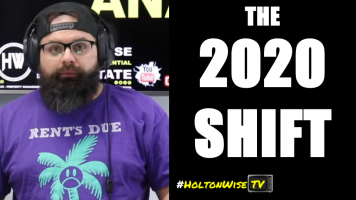
The 2020 Shift that Sent Los Angeles Investors Out of State
The 2020 shift changed the real estate game for Los Angeles investors. Housing got more expensive, eviction moratoriums exposed how risky tenant-friendly markets can be, and the numbers in LA stopped making sense for a lot of landlords who still wanted cash flow. That is why more California investors are looking out of state into markets like Cleveland, Detroit, Chicago, Milwaukee, Pittsburgh, Indianapolis, Baltimore, and Memphis, where affordable rental properties, Section 8 demand, and the right boots-on-the-ground team can create opportunities that are almost impossible to find in Los Angeles.
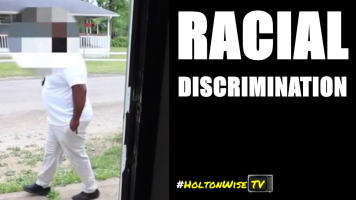
They Stopped Paying… Then Claimed Racial Discrimination
They stopped paying rent, violated the lease, or created problems at the property — and now that eviction is on the table, suddenly the landlord is being accused of racial discrimination. Fair housing laws are serious and landlords need to follow them every step of the way, but a discrimination claim does not automatically mean the landlord did anything wrong. This is why documentation matters: rent ledgers, notices, photos, lease violations, communication records, and proper eviction procedures. Eviction should never be personal. It should be about the lease, the facts, and protecting the rental property from tenants who refuse to follow the rules.
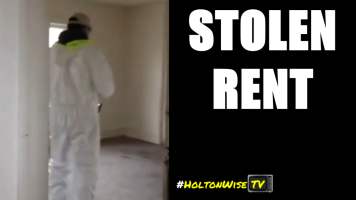
San Francisco: The Eviction Mistake That Costs You a Year of Stolen Rent
San Francisco landlords already know the eviction process can be brutal, expensive, and painfully slow, but the biggest mistake is waiting too long to even start. If a tenant stops paying, starts destroying the property, or keeps giving you excuses, every extra month you delay can turn into multiple months — or even a year — of free rent, court delays, damage, and lost cash flow. This is why so many San Francisco investors are looking out of state into landlord-friendly, cash-flow-focused markets like Cleveland, Detroit, Chicago, Milwaukee, Pittsburgh, Indianapolis, Baltimore, and Memphis, where the numbers can actually work if you have the right boots-on-the-ground team, proper tenant screening, and a management system that handles problems before they destroy your investment.
Tenant Fatigue: I Buy Section 8 Houses From Landlords Who Are Done
I made millions buying Section 8 houses by getting tenant fatigued sellers to loan me the money instead of begging banks to approve every deal. Seller financing lets you move faster, structure better terms, and buy cash-flowing rentals in markets where the numbers still make sense. That’s why I focus on Section 8 markets like Cleveland, Detroit, Milwaukee, Pittsburgh, Chicago, Kansas City, Indianapolis, Memphis, Toledo, Akron, and Youngstown, where out-of-state investors can still find affordable houses, strong rent potential, and real cash flow if they have the right boots-on-the-ground team handling the tenants, turnovers, repairs, and chaos.

Why Texas Beats High-Tax States for Real Estate Investors
Texas keeps attracting people for a reason: warm weather, no state income tax, strong population growth, and tenants who get to keep more of their own paycheck instead of getting crushed by high-tax states. That matters for real estate investors because when people are moving in, jobs are growing, and renters have more money left over, rental demand gets stronger. That’s why high-tax state investors should be looking at markets like Texas through Rent To Retirement, where you can invest out of state, buy newer rental properties, and have a boots-on-the-ground team helping you build cash flow without trying to figure it all out alone.
New York: High Taxes, Rent Control, and Deadbeat Tenants
New York landlords are getting crushed by high property taxes, rent control, eviction delays, tenant-friendly courts, and a political culture that treats rental property owners like villains instead of business owners. If you’re trying to build wealth in New York, you’re playing the game on nightmare mode. That’s why smart investors are going out of state into better cash flow markets like Cleveland, Detroit, Milwaukee, Pittsburgh, Chicago, Kansas City, Memphis, and Indianapolis where the prices are lower, the rents can actually make sense, and landlords still have a chance to run a real business. New York may be killing the American dream for landlords, but better markets still exist if you have the right boots-on-the-ground team.

New Jersey Investors: The Rich Don’t Wait on Banks
New Jersey investors, stop waiting for banks to give you permission to build wealth. If you can negotiate low to no money down seller financing, you can buy more real estate, keep more cash in your pocket, and scale your rental portfolio faster. The rich don’t wait around saving giant down payments while banks kill their deals. They structure better terms, solve seller problems, and use creative financing to control more property with less money out of pocket. Tune in to HoltonWiseTV for more real estate investing strategies, seller financing breakdowns, and out-of-state rental property opportunities.
Jacksonville: The Florida Market Investors Keep Underestimating
Jacksonville isn’t just another Florida tourism market. While everyone else is chasing Disney, beaches, and vacation hype, Jacksonville has real economic drivers behind it: healthcare, finance, military, and defense contractor jobs. That is exactly why investors keep underestimating this market. If you’re looking for out-of-state rental property opportunities in landlord-friendly states, Rent To Retirement has boots-on-the-ground teams helping investors buy new construction rental properties in markets like Jacksonville. Stop chasing hype. Follow the jobs, the rent demand, and the long-term cash flow.
Los Angeles Investors: The Spreadsheet Didn’t Show You This Eviction
Los Angeles investors love the idea of out-of-state cash flow until they see what actually comes with it. The spreadsheet shows rent, ROI, Section 8 income, and long-term wealth — but it doesn’t show the evictions, turnovers, tenant drama, and chaos that come with owning rentals in real life. That’s why having the right boots-on-the-ground team matters. Whether you’re investing in Cleveland, Akron, Dayton, Toledo, Pittsburgh, Milwaukee, or Kansas City, the goal is not to avoid problems forever — it’s to have a team that can handle them when they happen. You focus on building wealth and collecting Section 8 cash flow. We handle the headaches.

Pittsburgh: Tip Your Landlord or Start Packing
Pittsburgh tenants, don’t forget to tip your landlord this holiday season. The mortgage didn’t pay itself, the taxes didn’t disappear, and that roof over your head exists because somebody took the risk to own the property. This one is a little holiday landlord humor, but the truth is real: when tenants stop paying, landlords still have bills, and eventually that leads to eviction. If you’re investing in Pittsburgh rentals, you need to understand the business, protect your cash flow, and be ready to evict when the rent stops coming.

Kansas City Seller Financing: Stop Letting Banks Kill Your Deals
Kansas City investors need to understand that seller financing is not something every seller is going to do — but the right seller, in the right situation, might be willing to make a deal the banks would never touch. Tired landlords, owners with problem tenants, outdated properties, vacant houses, weird financing issues, or sellers who care more about monthly income than one big check are often the people most open to creative terms. On HoltonWiseTV, we talk about how to spot those opportunities in Kansas City, when seller financing makes sense, and why knowing the seller’s pain can be the difference between a dead deal and a cash-flowing rental.

Pittsburgh Section 8: These Tenants Pay When Everyone Else Doesn’t
Pittsburgh investors, in rougher neighborhoods you are not always looking for the fanciest tenant — you are looking for the tenant who actually pays. That is why Section 8 can be such a powerful strategy when it is done right. The government portion of the rent is reliable, the tenant still needs to be properly screened, and the property needs to be managed by a real boots-on-the-ground team that understands Pittsburgh rentals. If you are trying to invest in Pittsburgh Section 8 properties, the key is buying the right house, in the right neighborhood, at the right price, with the right management in place.

Chicago Section 8: Buy the Hood Before the Hipsters Do
Chicago Section 8 investors, the play is not always buying the prettiest house on the prettiest block. Sometimes the opportunity is buying in rougher neighborhoods before the yuppies, hipsters, developers, and higher-income renters move in. The strategy is simple: use Section 8 to create strong, stable rental income today while positioning yourself for future neighborhood upside tomorrow. But this only works if you buy right, screen right, rehab right, and have a real boots-on-the-ground team that understands Chicago investment properties, inspections, repairs, tenants, crime, and cash flow.

Philly Investors: Is That Blood… Or Just a Bad Roof?
Philadelphia investors, don’t let a nasty stain scare you off — and don’t let it fool you either. What looks like something crazy inside the property might just be water damage from a bad roof, and knowing the difference between cosmetic ugly and expensive repairs is how you protect your money. If you want to invest in Section 8 properties in Philly, you need someone who understands the numbers, the repairs, the tenant base, the inspections, and the real risks before you buy. I help investors find and analyze Section 8 rental properties so they don’t get smoked by hidden problems that kill cash flow.

San Francisco Section 8: 135 Degrees Kills the Bed Bugs
San Francisco investors are used to overpriced properties, tenant-friendly rules, rent control, and weak cash flow. That is why so many California investors start looking out of state for cheaper Section 8 rental properties in markets like Chicago, Cleveland, and Milwaukee. But buying cheap rentals is not some passive fantasy. Section 8 cash flow comes with real problems, and bed bugs are one of them. This is what real boots-on-the-ground property management looks like: heat treatment, techs inside the property, bugs running for their lives, and the house getting pushed toward 135 degrees so the problem actually gets handled. If you are a San Francisco investor buying out of state, you need a real team on the ground that knows how to deal with the ugly stuff before it destroys your investment.

Tired of Cleveland & Detroit's Section 8 Savages? Check Out Punta Gorda
Tired of Cleveland and Detroit Section 8 chaos? Punta Gorda, Florida is a totally different investment game. Instead of battling evictions, cockroaches, trashed units, and low-end tenant drama, this market is built around snowbirds, retirees, population growth, vacation demand, and higher-quality tenants with better credit, better jobs, and more stability. If you want to invest in desirable Florida real estate without trying to figure it all out alone, Rent To Retirement can help you get access to turnkey investment properties in growing markets like Punta Gorda with a real boots-on-the-ground team already in place.
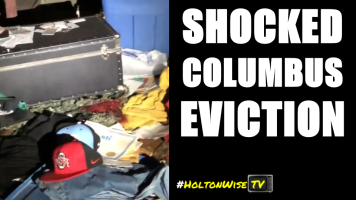
SHOCKED! Can’t Believe what We Found During this Eviction in Columbus
The eviction crew opened up a mystery box, the tension was high, everybody was ready for something crazy... and… Made ya look, nerd.
Nashville Investor Warning: The Next 10 Years Won’t Be Like the Last 10
Nashville investors, the last 10 years made a lot of people look smarter than they really were. You could buy almost anything, hold on to it, ride appreciation, and suddenly look like a real estate genius. But that easy money market is gone. Higher rates, tighter lending, tougher cash flow, and less room for mistakes mean the next 10 years are not going to reward lazy investing the same way. If you are buying out-of-state investment property today, you need real numbers, real due diligence, and a boots-on-the-ground team that actually knows how to protect your money.
Los Angeles: 90% of Realtors Shouldn’t Be Advising Investors
Los Angeles investors need to be careful when going out of state because 90% of Realtors should not be advising investors. A lot of them don’t own rentals, don’t understand Section 8, don’t know how evictions really work, don’t know the difference between a cheap house and a good deal, and they sure as hell don’t have the boots-on-the-ground team needed to protect you. Scammers and posers love targeting LA investors with cheap Cleveland, Detroit, Milwaukee, Pittsburgh, Memphis, Dayton, and Akron houses because compared to Los Angeles prices, everything looks like a steal. But cheap does not mean profitable. If your Realtor has never owned rental property, never dealt with tenants, and is just chasing a commission, that is a massive red flag.
San Francisco: Your Realtor Doesn’t Own a House? Red Flag
San Francisco investors are one of the easiest targets for fake gurus, broke Realtors, and wannabe Section 8 experts because a $60K Chicago, Cleveland, Detroit, Milwaukee, or Akron house looks cheap compared to Bay Area prices. But cheap does not mean good.

New York: Your Realtor Doesn’t Own a House? Red Flag
New York investors are constantly being targeted by scammers, posers, and wannabe “real estate experts” who think you’re an easy mark because Midwest Section 8 housing looks cheap compared to New York prices. They’ll try to sell you Cleveland, Detroit, Milwaukee, Pittsburgh, Memphis, Dayton, or Akron rentals like they’re easy money — but most of these realtors don’t even own their own house, don’t own rentals, don’t understand tenants, don’t understand evictions, and don’t know how Section 8 investing actually works. Cheap houses can make money, but only when you have the right numbers, the right market knowledge, and a real boots-on-the-ground team. If your realtor is just a poser trying to collect a commission off an out-of-state New York investor, that’s a massive red flag.

New York: This is What Eviction is Supposed to Look Like
New York investors have been trained to accept a broken system where tenants can stop paying rent and landlords are stuck waiting, bleeding money, and begging the courts for help. This video shows what it is supposed to look like when someone doesn’t pay rent: the eviction gets finished, possession comes back, and the landlord can move forward with the rental property. If you’re tired of investing in tenant-friendly markets like New York, it may be time to look out of state at landlord-friendlier markets where property rights, cash flow, and consequences still matter.

Milwaukee: The House Looks Like Crap… But the Numbers Might Work
A Milwaukee house hitting the market for $59.9K might look like crap, but ugly houses are where smart investors can find opportunity if the price, rehab, rent, and exit strategy actually make sense. On HoltonWiseTV, we break down whether nasty-looking Milwaukee properties are a real deal or just another cheap house that could turn into an expensive nightmare. Out-of-state investors from California, New York, and other overpriced markets need a boots-on-the-ground team that can separate ugly opportunity from ugly disaster.
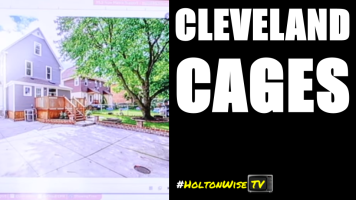
Paying $310K in Cleveland… and the AC Units Are in Cages?
Not every renovated house in Cleveland is a good investment. This property might look nice on paper, but when you’re paying $310K and the neighborhood still has AC units locked in cages, that tells you there is risk the price is not accounting for. Gentrification can create opportunity, but being on the fringe still means crime, tenant quality, resale risk, and neighborhood stability all matter. Out-of-state investors need to stop falling in love with pretty renovations and start paying attention to the block, the price, and the actual risk-reward of the deal.
Los Angeles: COVID Eviction Moratoriums Exposed the Whole Problem
Los Angeles investors already had one of the most expensive housing markets in America, but the COVID eviction moratoriums exposed the real problem: you can pay insane prices for rental property and still have very little control when tenants stop paying. High purchase prices, weak cash flow, tenant-friendly laws, and government interference make LA a brutal place to be a landlord. Smart California investors are starting to realize they don’t need to keep playing that game. There are out-of-state markets where property rights still matter, evictions actually happen, and rental properties can still produce real cash flow.

San Diego: This Is What Eviction Is Supposed to Look Like
San Diego investors are used to a rental system where tenants can stop paying, landlords get dragged through the courts, and property owners are treated like the bad guys for wanting possession of their own house back. This is what eviction is supposed to look like when someone does not pay rent: the process ends, the property is recovered, and the landlord can move forward. If you are tired of San Diego’s tenant-friendly California chaos, it may be time to go out of state into markets where property rights, cash flow, and consequences still exist.
San Jose Investors: Bad Tenant Screening Kills Memphis Rental Deals
San Jose investors, going out of state into Memphis rentals can be a great move — but only if you understand the real game. Bad tenant screening kills rental deals faster than almost anything else. A cheap property means nothing if the wrong tenant turns it into a nightmare. California investors leaving high-priced, tenant-friendly markets need more than Zillow numbers and a property that “looks good” online. You need a real boots-on-the-ground team that can screen tenants, place the right people, manage the asset, and protect your investment. That is why working with a team like Rent To Retirement matters when you are buying out of state.

Pittsburgh Section 8: I’ll Take Nail Holes Over Turnovers
Out-of-state investors buying Section 8 rentals in Pittsburgh need to stop thinking like amateurs. A few nail holes from pictures and knick-knacks are not the problem. Vacancy, constant turnovers, bad tenants, trashed units, and unstable cash flow are the real problem. When a tenant has their walls decorated and their stuff settled in, that usually means they are committed to staying. That is exactly what Pittsburgh Section 8 investors should want: long-term tenants, fewer turnovers, less vacancy, and more consistent rental income. Stop chasing dimes worrying about little nail holes and start chasing dollars by building a rental portfolio with stable tenants who actually stay.
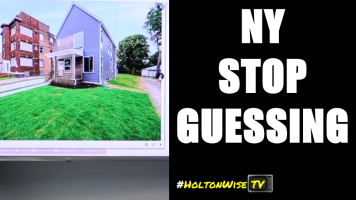
New York: Stop Guessing on Airbnb Deals
New York investors are used to high prices, tight margins, and brutal competition, but that doesn’t mean you should blindly jump into an out-of-state Airbnb deal just because the property looks good. Short-term rental investing is not about vibes, pretty pictures, or what the listing agent tells you. It’s about the numbers. In this video, we break down the rental income potential, expenses, furnishing costs, management, vacancy, and realistic cash flow so you can see whether the deal actually makes sense. If you’re a New York investor looking to buy out of state, stop guessing on Airbnb deals and start analyzing them like a real investor.
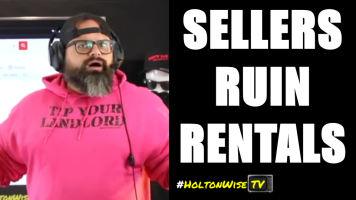
Cleveland Browns Ruin Quarterbacks… Cleveland Sellers Ruin Rentals
The Cleveland Browns don’t purposely ruin quarterbacks. They just keep making bad decisions until the quarterback gets destroyed. That’s exactly what happens when California investors buy tenant-occupied Cleveland rentals from sellers who don’t know what they’re doing. The seller may not be trying to screw up your investment, but bad rent, bad tenants, bad leases, bad maintenance, and bad management can destroy your numbers before you even close. If you’re an out-of-state investor from Los Angeles, San Diego, San Jose, San Francisco, Sacramento, or anywhere else in California, you need real boots on the ground before you buy in Cleveland. HoltonWiseTV shows you the real numbers, the real neighborhoods, the real tenant issues, and the real mistakes sellers are making so you don’t inherit someone else’s problem property.

New York Investors: Get Free Furniture for Your Airbnb
New York investors already know how expensive it is to get a short-term rental up and running. The property is one cost. The furniture, decor, setup, photos, and launch costs are a whole other animal. That’s why on this deal, we’re not just looking at the real estate — we’re looking at the staging, too. If the seller already made the property look great, why not negotiate to keep the furniture and turn it into a furnished short-term rental without dropping thousands more out of pocket? This is the kind of out-of-state investing strategy New York investors need to understand: don’t just buy the property, negotiate the extras that can help you make more money.

San Diego: Stop Treating Your Landlord Like Daddy
San Diego landlords are tired of being treated like they’re supposed to be the tenant’s parent, therapist, bank, and emergency fund all at the same time. If the rent doesn’t come in, the mortgage, taxes, insurance, repairs, and utilities still have to get paid. This is exactly why smart San Diego real estate investors are looking out of state and buying in markets where the numbers actually work and landlords still have rights. Cleveland, Akron, Dayton, Detroit, Milwaukee, Pittsburgh, Memphis, and other cash-flow markets give investors a chance to build wealth without being trapped in California’s tenant-first culture. Your landlord is not your daddy — and your rental property is not a charity.

Milwaukee: The Neighbors Spill the Tea During the Eviction
Eviction day in Milwaukee gets a lot more interesting when the neighbors start talking. This is the real side of owning rental properties that most gurus never show you. The court paperwork, the lockout, the trash, the drama, and then the neighbors come out and tell you what was really going on. If you are an out-of-state investor looking at Milwaukee rental properties, this is why you need a real boots-on-the-ground team. Zillow numbers and pretty listing photos do not show you the full story. The street always knows more than the spreadsheet.

LA Investors: Stop Letting the Bank Eat Your Cash Flow
LA investors love the idea of buying Midwest rental properties for cash flow, but most of them do not understand how the loan math actually works. If you keep using 30-year amortized loans with short call dates and then refinancing every few years, you may not be building wealth the way you think you are. In the first years of a loan, most of your payment goes straight to interest, which means the bank gets paid before you do. This is why smart real estate investors need to understand debt structure, amortization, cash flow, and exit strategy before they buy. Cheap properties in Cleveland, Akron, Dayton, Detroit, Pittsburgh, Memphis, Milwaukee, Chicago, and Indianapolis can make you money, but bad financing can still destroy the deal.

Out-of-State Investor Nightmare in Akron Ohio
An out-of-state investor bought a rental property in Akron, Ohio trying to create financial freedom for themselves and their family. Then deadbeat tenants turned that investment into a nightmare. This is the real side of rental property investing that most gurus never show you: destroyed houses, unpaid rent, evictions, repairs, and the brutal reality of trusting the wrong people with your asset. If you’re investing from Los Angeles, San Diego, San Jose, San Francisco, New York City, Brooklyn, Queens, or Long Island, you need a real boots-on-the-ground team before buying rental properties in Akron, Ohio.

Dayton’s Section 8 Streets Show You What Zillow Never Will
Driving for dollars in Dayton, Ohio shows you the stuff Zillow never will. You can look at photos, rent estimates, tax records, and cap rates all day, but none of that tells you what the street actually feels like. When you’re investing in Section 8 neighborhoods, especially as an out-of-state investor, you need boots on the ground who can read the block, the cars, the houses, the tenants, the neighbors, and the problems before you wire your money. Dayton can be a strong rental market, but only if you understand what you’re buying and don’t confuse cheap property with a good investment.

New York Landlord Evicts Deadbeat Tenant After 1 Year of Stolen Rent
A New York landlord hired HoltonWise after dealing with a deadbeat tenant who hadn’t paid rent in over a year. This is exactly why out-of-state investing can turn into a nightmare when you don’t have the right boots on the ground. The owner was hundreds of miles away, the tenant was living for free, and the property was bleeding money month after month until it was time to take legal action and get control of the asset back. On HoltonWiseTV, you’ll see the real side of rental property investing: unpaid rent, eviction court, bailiffs, bad tenants, and the ugly problems most gurus never show you. If you’re a New York investor buying rental properties in Cleveland, Akron, Canton, Youngstown, Dayton, Detroit, Pittsburgh, Memphis, Chicago, or Milwaukee, you need a team that knows how to legally remove deadbeats and protect your investment.
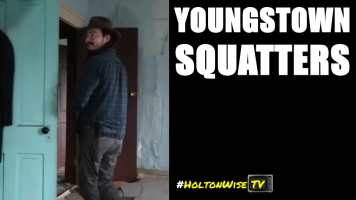
Youngstown, Ohio: What Squatters Leave Behind
Youngstown, Ohio real estate investing is not always clean, pretty, or easy. This is what squatters can leave behind when they take over a rental property and turn someone else’s asset into a disaster. Trash, damage, chaos, and a whole lot of expensive problems for the owner to clean up. This is why out-of-state investors buying in Youngstown need real boots on the ground, real property management, and people who know how to deal with the ugly side of rental properties before it destroys the deal.
Dayton: The Only Tenants Paying Rent in the Hood Are on Section 8
Dayton real estate investors need to be honest about what actually works in rougher rental neighborhoods. Cheap properties can look great on paper, but the numbers do not matter if the tenant stops paying and the house turns into a liability. That is why Section 8 can be so powerful in certain parts of Dayton, Ohio. You still need to screen hard, manage the property correctly, understand inspections, and avoid buying junk deals. But in lower-income Dayton rental areas, a properly placed Section 8 tenant may give you more stability than chasing cash tenants who disappear the second rent is due.
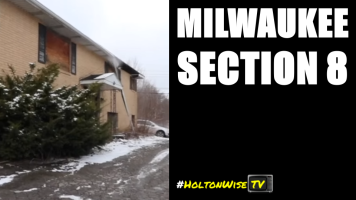
Milwaukee: The Only Tenants Paying Rent in the Hood Are on Section 8
Milwaukee real estate investors need to understand the rental game in rougher neighborhoods. When you are buying low-income Milwaukee rental properties, the biggest risk is not always the house, the price, or the repairs — it is whether the tenant actually pays the rent. In certain Milwaukee neighborhoods, Section 8 tenants can be the difference between a rental property that bleeds you dry and a rental property that actually performs. That does not mean every Section 8 deal is good, and it definitely does not mean you skip screening, inspections, repairs, tenant placement, or property management. But if you are investing in Milwaukee, Wisconsin, and you are looking at rougher rental areas, you better understand how Section 8 works before you pretend cash tenants are automatically safer.
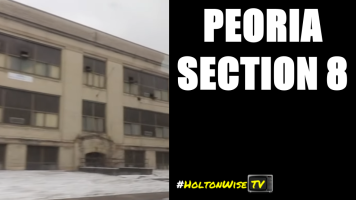
Peoria: The Only Tenants Paying Rent in the Hood Are on Section 8
Peoria real estate investors need to understand the rental game in rougher neighborhoods. When you are buying low-income Peoria rental properties, the biggest risk is not always the house, the price, or the repairs — it is whether the tenant actually pays the rent. In certain Peoria neighborhoods, Section 8 tenants can be the difference between a rental property that bleeds you dry and a rental property that actually performs. That does not mean every Section 8 deal is good, and it definitely does not mean you skip screening, inspections, repairs, or property management. But if you are investing in Peoria, Illinois, and you are looking at rougher rental areas, you better understand how Section 8 works before you pretend cash tenants are automatically safer.

San Jose Investors: The Secret Inside Cleveland’s 100-Year-Old Housing Stock
San Jose investors looking at Cleveland real estate need to understand one thing fast: Cleveland’s 100-year-old housing stock is not like buying rentals in California. These old duplexes often come with massive unfinished attic spaces, grandfathered third-floor layouts, and hidden rent upside that can completely change the numbers. When that extra space is already finished and legal, you may be looking at a bigger apartment, better tenant retention, and stronger cash flow without having to eat the massive cost of converting it yourself. This is why smart out-of-state investors need local experts who actually understand Cleveland duplexes, old housing stock, code issues, rent potential, and the difference between a headache and a money maker.
This Ain’t San Francisco: We Make Money Off Squatters Here
This ain’t San Francisco, and this ain’t California. In the markets we target — Cleveland, Detroit, Milwaukee, Pittsburgh, Memphis, Chicago, and other cash-flow rental markets — squatters don’t automatically get to hijack your property forever. When you buy right, use the proper legal process, and have real boots on the ground, a squatter problem can become an opportunity. Most investors run from these deals because they don’t know how to handle evictions, court filings, cleanouts, repairs, and tenant placement. That’s where experienced investors make money. We take the problems other people can’t solve, remove them from the seller’s plate, and turn distressed properties into profitable rentals. Subscribe to HoltonWiseTV if you want real estate investing without the San Francisco nonsense.
Los Angeles: The Neighborhood Grade Isn’t the Problem… The Price Is
Los Angeles investors are used to insane prices, low cash flow, and neighborhoods where the math barely works, but out-of-state investing is a totally different game. The price, expectations, and strategy are not the same as they are in California. You can make money in A, B, C, D, and even rough Section 8 neighborhoods if you buy at the right number and understand what you’re actually getting into. That’s why smart LA investors need to stop guessing and start working with people who know these markets. Rent To Retirement helps investors get out of overpriced, low-cash-flow California real estate and into better opportunities in markets where the numbers actually make sense.
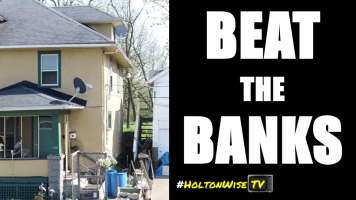
Indianapolis Investors Are Beating the Banks With Seller Financing
Indianapolis investors are beating the banks by using seller financing to buy rental properties with better terms, less red tape, and more creative deal structures. On HoltonWiseTV, we break down why seller financing can be a powerful tool for out-of-state investors looking to build cash flow in Indianapolis, especially when paired with Section 8 tenants, long-term rental demand, and the right property management team. If you’re tired of waiting on lenders, high interest rates, and traditional financing roadblocks, seller financing might be the move that helps you buy more rentals and grow your portfolio faster.
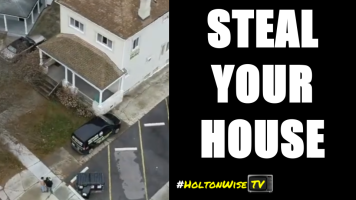
San Francisco Scumbags Think They have the Right to Steal Your House
San Francisco and the rest of California have created a woke tenant culture where too many renters think paying rent is optional and landlords are the enemy. The landlord still has a mortgage, taxes, insurance, repairs, maintenance, utilities, city fees, and every other expense that comes with owning the property. But in tenant-friendly markets like California, the system acts like the investor should just eat the loss while someone else lives in their house for free. That is exactly why smart California investors are leaving San Francisco, Los Angeles, San Jose, and San Diego and buying rental properties in better out-of-state markets like Cleveland, Detroit, Chicago, Milwaukee, Pittsburgh, and Memphis.
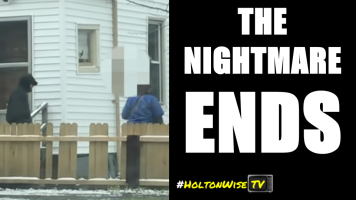
Out-of-State Landlord Nightmare: 7 Months of Stolen Rent Ends in Eviction
This is the side of out-of-state investing nobody wants to show you. While New York and California investors are getting crushed by high prices, low returns, and tenant-friendly laws, real money is still being made in markets like Cleveland, Chicago, Milwaukee, Detroit, Pittsburgh, and Memphis — but only if you have the right team protecting you. This eviction took seven months, and that is exactly why you do not buy rental properties from across the country without boots on the ground, real management, real due diligence, and people who understand the local eviction process. If you are an investor from New York or California looking to buy cash-flowing rentals in the Midwest, HoltonWiseTV shows you the good, the bad, and the ugly before you make a mistake.
 Print
Print 