
HoltonWiseTV Highlights (65)

Detroit Is Cheaper. Florida Grows Faster. Birmingham Might Be Better
Detroit may be cheaper and Florida may be growing faster, but Birmingham could offer investors the best overall balance. In this video, James Wise explains why Birmingham combines relatively affordable real estate, warmer weather, and population stability without the extreme price tags found in many Texas and Florida markets. Rent To Retirement can also help investors looking to build out-of-state rental portfolios in markets like Birmingham with a more hands-off approach.
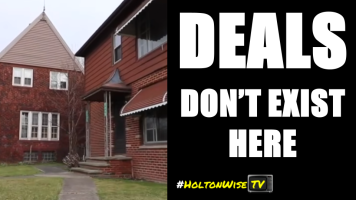
San Francisco Investors: The Deals You Want Don’t Exist Here
San Francisco investors are competing with hedge funds, international money, and deep-pocketed buyers for expensive trophy properties where the numbers often leave little room for error. Meanwhile, markets like Chicago, Detroit, Cleveland, and Baltimore still offer ugly houses, distressed rentals, problem tenants, and value-add opportunities that scare away less experienced investors. That fear can create the margin that makes the deal work—and ultimately builds wealth.
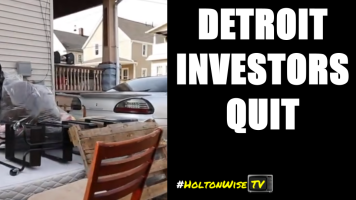
Detroit Investors Quit When They See This—I See Profit
Most Detroit investors see an eviction, property damage, and a pile of trash and immediately walk away. But that chaos is often exactly why the opportunity exists. If you can stay calm, accurately price the repairs, and execute the turnaround, the properties everyone else is afraid of can sometimes create the biggest profit margins.
Cincinnati Landlords Are Worried About the Wrong Thing
Cincinnati landlords often worry about little things like nail holes, wall decorations, and tenants making a rental feel like home. But those aren’t the things that destroy your returns. A tenant who takes care of the property, settles in, and wants to stay long term can be far more valuable than perfectly untouched walls. Turnover, vacancies, and major property damage are the real problems landlords should be watching for.
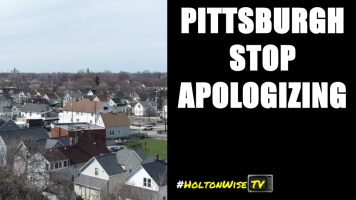
Pittsburgh Landlords: Stop Apologizing for Raising the Rent
Pittsburgh landlords shouldn’t feel guilty for raising the rent when their own costs keep climbing. Property taxes, insurance, repairs, maintenance, and financing all cost more than they used to. Being a landlord is a business, not a charity, and charging fair market rent is part of keeping that business sustainable and profitable.

This “Roof Repair” Is Really a Full St. Louis Renovation
What looks like a simple roof repair can quickly become a full renovation once water starts damaging the ceilings, plaster, lath, and everything underneath. In this video, James Wise breaks down a distressed St. Louis rental where a badly deteriorated roof has caused extensive interior damage—and explains why investors need to budget for the entire rehab, not just the obvious leak.
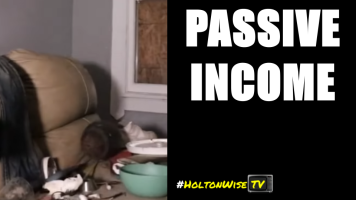
Passive Income? Not for Milwaukee Landlords
Everybody wants passive income until the rent is late, the furnace breaks, an eviction gets filed, or a tenant destroys the unit. In this video, James Wise explains why owning Milwaukee rental properties is anything but passive—and jokes that landlords managing all that chaos deserve a gratuity. Don’t be cheap. Tip your landlord.

A Vacancy in Orange County Is a Crisis—In Ohio, It’s a Speed Bump
At Orange County prices, one vacancy or eviction can wipe out an investor’s already-thin cash flow and turn a $900,000 rental into a financial crisis. In Ohio, lower acquisition costs, stronger rent-to-price ratios, and multiple affordable properties give investors more room to absorb turnovers, repairs, and tenant problems. In this video, James Wise explains why California investors should consider diversifying into Ohio for more predictable income and less fragile returns.
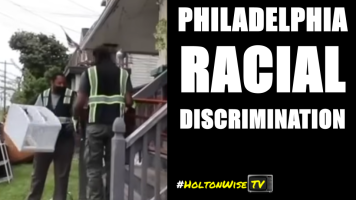
When Philadelphia Tenants Claim Racial Discrimination at Eviction
A Philadelphia tenant claims discrimination just as eviction notices go out—but what do the lease, payment history, repair records, and properly served notices actually show? In this video, James Wise explains why thorough documentation is a landlord’s strongest protection when an eviction is challenged. Fair housing complaints must be taken seriously, but they do not erase unpaid rent or other legitimate lease violations when the landlord has followed the law and maintained clear records.
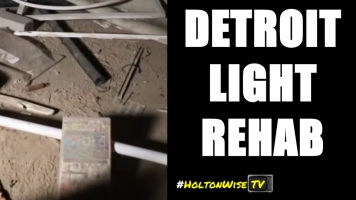
This Detroit “Light Rehab” Turned Into a $25K Disaster
An out-of-state investor bought what the seller described as a light Detroit rehab with roughly $8,000 in repairs—but the real number was closer to $25,000. In this video, James Wise explains how major electrical, plumbing, roofing, and property-condition problems can turn a cash-flowing rental into a money pit when investors rely on bad estimates instead of experienced local professionals who know what to look for.
This Cincinnati Landlord Never Renewed the Lease—or Raised the Rent
This Cincinnati landlord let the original 12-month lease expire, allowed the tenancy to continue month-to-month, and never kept up with rent increases. In this video, James Wise explains why many mom-and-pop landlords leave tenants on outdated lease terms for years—and how professional management, consistent lease renewals, and proper rent adjustments can turn the previous owner’s lost income into the next investor’s opportunity.
The Water Is Off—Would You Still Buy This Buffalo Rental?
Sometimes real estate investors want to complete every possible inspection before buying—but vacant, winterized properties can limit your due diligence. In this video, James Wise explains why the water may remain shut off during an inspection, what the pink antifreeze inside the toilet means, and how Buffalo investors should evaluate the added risk before moving forward with a rental property.
Use Seller Financing to Build a Cincinnati Section 8 Portfolio
Building a large Cincinnati Section 8 portfolio does not always require saving enough cash for traditional 25% down payments. In this video, James Wise explains how low-down-payment seller-financing deals can help investors acquire more rental properties, collect government-backed rent, and scale their portfolios while keeping more of their own money available for renovations, reserves, and future purchases.

Leaving Los Angeles to Invest? Don’t Overpay for the Wrong Neighborhood
Leaving Los Angeles to invest in a more affordable out-of-state market can create better cash flow—but only if you accurately understand the neighborhood you’re buying into. James Wise explains why investors can make money in A, B, C, or even F-grade areas, but lose when they pay for one neighborhood grade while expecting the tenants, rents, and risk of another. Rent To Retirement helps California investors identify, purchase, and manage turnkey rental properties in markets where the numbers make more sense.

The Ghetto Is Why This St. Louis Seller Will Give You Financing
The toughest St. Louis neighborhoods can create the best seller-financing opportunities because burned-out landlords are often more motivated to escape the constant tenant problems, repairs, and management headaches. In this video, James Wise explains how experienced investors can use that pain to negotiate better terms, buy without relying entirely on a bank, and turn difficult rentals into long-term cash flow.
Everyone’s Scared of Baltimore Squatters—Turn Them Into Section 8 Cash Flow
Everyone else sees a Baltimore property occupied by squatters and runs away. Smart investors see a discounted acquisition, a renovation opportunity, and the potential to create a high-cash-flow Section 8 rental. By legally regaining possession, fixing the property, and placing a qualified tenant with government-backed rental assistance, investors can combine low purchase prices, strong rents, and forced appreciation to build serious wealth at scale.
Cry on TikTok All You Want—Not Paying Rent in Milwaukee Still Gets You Evicted
Cry on TikTok, blame capitalism, or call the landlord greedy—the lease still says rent is due on the first. In this video, James Wise explains why Milwaukee landlords treat unpaid rent like a business issue, not an emotional debate: pay and stay, or the eviction process begins.

In Fort Wayne, Your Landlord Isn’t Your Friend—Pay the Rent or Get Evicted
Fort Wayne, Indiana tenants don't get evicted because their landlord was mean—they got evicted because they stopped paying rent. A landlord is running a business, not a charity, and tenants who withhold rent are taking money that belongs to the property owner. The agreement is simple: the landlord provides the home, the tenant pays the rent, and when that agreement is broken, eviction is the consequence. Your landlord isn’t your friend—pay the rent or move out.
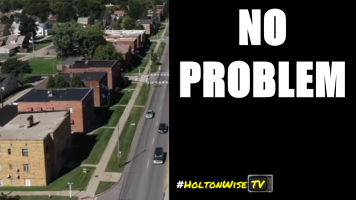
No Money, No Problem: Building a Minneapolis Rental Empire
No-money-down real estate expert James Wise explains how investors can build their own rental property portfolio in Minneapolis without relying on large amounts of personal cash. By using creative financing, investor loan products, private money, seller financing, and strategies that recycle capital from one deal into the next, investors can continue acquiring income-producing properties without saving for years between purchases. Follow Holton-Wise to learn how to analyze deals, structure financing, and start building your own no-money-down Minneapolis rental portfolio.
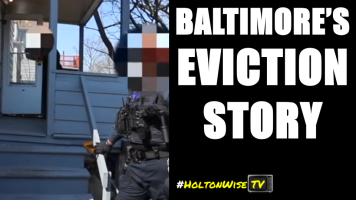
Baltimore’s Eviction Story Didn’t Start When the Sheriff Arrived
Baltimore Maryland’s eviction story did not begin when the sheriff arrived. It usually started months earlier with unpaid rent, ignored notices, missed court dates, and a tenant failing to meet the terms of the lease. By the time an eviction is enforced, the landlord has often already lost thousands of dollars. The final lockout may be the most dramatic part of the story, but it is rarely the whole story.
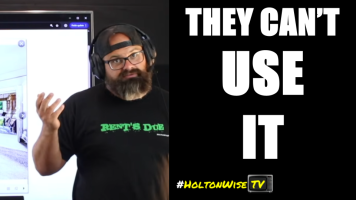
They Can’t Use the Best Feature in This Milwaukee Rental
This Milwaukee rental is completely turnkey, with clean neutral finishes and a sharp black fireplace that immediately stands out. But the best part is that the fireplace has been sealed off. It still adds character without giving tenants the ability to start fires inside the house, creating a safer rental and eliminating one major landlord risk.
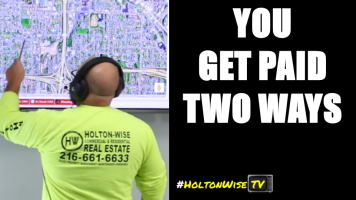
This Akron Neighborhood Gives Landlords Two Ways to Get Paid
This Akron neighborhood gives landlords access to two built-in tenant pools: Section 8 renters looking for affordable housing and University of Akron students searching for rentals close to campus. When you can buy properties cheaply in a low-income area while still benefiting from nearby university demand, you create more leasing options and reduce your dependence on one type of tenant.
The Only Thing Worse Than Being an LA Landlord Is Being an Out-of-State LA Landlord
Being a landlord in Los Angeles is already difficult—but trying to manage an LA rental from another state makes every problem worse. Evictions, move-outs, leasing, repairs, inspections, and tenant issues all require a reliable boots-on-the-ground team that understands the local market. Long-distance landlords who try to handle everything remotely can lose time, money, and control of their properties. Contact the HoltonWise team for help managing your rental the right way.
Philadelphia’s Eviction Crisis Isn’t a Free-Housing Program
Philadelphia’s eviction crisis is not a free-housing program. Tenants have rights, but landlords still have mortgages, taxes, insurance, repairs, and payroll to cover. When the rent stops coming in, the property owner cannot be expected to provide housing indefinitely for free. Eviction is a legal process for removing tenants who fail to uphold their end of the rental agreement—not proof that housing providers are the villains.

This Looks Like Damage—But Smart Buffalo Landlords Know Better
Most landlords see nail holes, clutter, and knickknacks and immediately think about repair costs—but smart Buffalo landlords look at the bigger picture. Tenants who truly make a rental feel like home are often the ones who stay for years, reducing vacancies, turnover costs, and the risk of major damage from constantly cycling through new renters. Stop chasing dimes and start protecting dollars.

Somebody’s Gotta Get Rich With Birmingham Section 8—Why Not You?
Birmingham’s rougher neighborhoods may scare away traditional buyers, but that fear is exactly what can create opportunity for Section 8 investors. In this video, James Wise explains why buying a vacant property gives you the chance to professionally screen tenants, place a qualified voucher holder, and turn an inexpensive Birmingham rental into consistent government-backed cash flow. Somebody is going to make money buying properties other investors are afraid to touch—why not you?
New York’s War on Landlords Has a Massive Double Standard
New York landlords are constantly demonized for demanding rent and filing evictions, while taking food from a grocery store is still recognized as theft. In this video, James Wise breaks down the massive double standard behind the “housing is a human right” argument and asks a simple question: Why is one business expected to provide its product for free while every other business is allowed to collect payment?
Use the Seller’s Money to Buy Kansas City Section 8 Rentals
You do not need a massive down payment to start building a Kansas City Section 8 portfolio. In this video, James Wise explains how seller financing and owner financing can help investors buy cash-flowing rental properties with far less money out of pocket than a traditional loan. Learn how creative financing can unlock more deals, preserve your cash, and help you scale faster in the Kansas City rental market.

Why Trade $40K Section 8 Clunkers in Detroit for a $500K Lehigh Acres Rental?
Cheap Section 8 rentals in Detroit can produce impressive cash flow, but low acquisition prices often come with older housing, rougher neighborhoods, frequent repairs, tenant turnover, and more intensive management. A $500,000 rental in Lehigh Acres represents a completely different strategy: newer construction, a desirable Southwest Florida location, stronger long-term appreciation potential, and rents that can continue rising as the market grows. In this video, James Wise explains why an investor might trade several $40,000 Section 8 clunkers for one higher-quality rental positioned to build wealth over time. Rent To Retirement helps investors access professionally selected turnkey rental properties in growing markets like Southwest Florida, making it easier to invest out of state without managing every part of the process alone.
Buying in the Hood? Here’s Why Section 8 Works in Jackson
Buying a rental in one of Jackson Mississippi’s rougher neighborhoods comes with real risks—property damage, turnover, maintenance issues, and difficult tenant management. Section 8 does not eliminate those problems, but it can remove one of the biggest risks: not collecting the rent. When a dependable portion of the payment comes directly from the housing authority, the numbers can become much more predictable. That is why Section 8 can make sense in high-risk, low-cost neighborhoods where traditional tenant collections may be less reliable.

I Warned Landlords 3 Years Ago—Los Angeles Evictions Are Still a Disaster
Three years ago, I warned landlords that Los Angeles had pushed eviction restrictions so far that rent was becoming optional for tenants while property owners were still expected to cover the mortgage, taxes, insurance, and repairs. Years after the pandemic began, the eviction process is still slow, expensive, and heavily tilted against landlords. This is why investors need to understand local laws before buying in tenant-friendly markets—and why a high rent number means nothing if you cannot actually collect it.
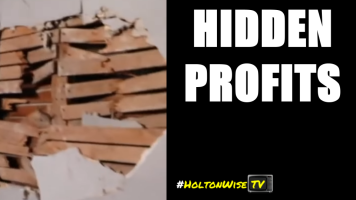
Dayton’s Biggest Profits Hide Inside Houses Like This
Most investors see a trashed rental, an eviction, piles of garbage, and thousands of dollars in repairs—and immediately walk away. But in Dayton, houses like this are often where the biggest opportunities hide. The damage creates fear, the fear creates less competition, and less competition creates the discount. Stay calm, run the numbers, build the cleanup and renovation into your offer, and this disaster could become a serious cash-flowing investment.

Offer $160K, Pay $150K: The Rockford Section 8 Strategy
With a Rockford Section 8 deal, the smartest offer may not be the lowest one. I break down how coming in hot at $160,000 can help you beat competing buyers, lock the property under contract and gain control of the negotiation. Once the seller starts counting their money and wants to reach the closing table, the inspection gives you an opportunity to renegotiate the deal toward the real target price of $150,000.

The Tenant Ignored the Realtor—Is This Wichita Deal a Red Flag?
The tenant ignored the Realtor and would not cooperate with photos or access—but does that automatically make this Wichita investment property a red flag? New investors often expect tenants to welcome the landlord inside, help stage the house, and make the sales process easy. That is not how occupied rentals usually work. Tenants ignore calls, avoid showings, and make access difficult all the time. It may be frustrating, but it is not always evidence that something is wrong with the property. Sometimes, it is simply the reality of buying and selling tenant-occupied real estate.
I Read This Peoria Listing Three Times—It Still Makes No Sense
I read this Peoria listing description three times, and I still have no idea what the agent was trying to say. Apparently, the commercial property has a large corner lot, on-site parking, and a three-bedroom apartment attached—but the sentence is written so badly that buyers are left trying to decode it. Listing descriptions matter, especially when you are trying to sell an investment property. Clear writing helps buyers understand the opportunity, while confusing copy makes the entire deal look sloppy.
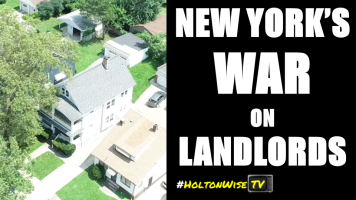
New York’s War on Landlords is Destroying Affordable Housing
New York politicians claim they want affordable housing, but their anti-landlord policies are pushing investors out of the market and making rental ownership more expensive, risky, and legally miserable. When you punish the people providing housing, make evictions nearly impossible, and demonize every rent increase, you should not be surprised when landlords sell and investment money leaves the state. Landlords are not charities, and smart investors are moving their capital into landlord-friendly markets where the laws actually allow them to operate a profitable rental business. If you are tired of getting crushed by New York’s policies, reach out to my team and let us help you invest in markets where I have made millions.

The Overpricing Epidemic Is Costing Phoenix Homeowners Thousands
Phoenix homeowners are losing money by making the same mistake over and over again: listing their properties too high. An inflated asking price kills buyer interest, eliminates competition, and causes the property to sit until buyers assume something is wrong with it. In this video, James Wise explains why pricing aggressively from day one can create urgency, attract multiple buyers, and ultimately produce a stronger sale than chasing an unrealistic number and cutting the price later.
After 210 Days, This Atlanta Seller Will Take Anything
After 210 days on the market, this Atlanta seller may finally be ready to hear the offer they would have laughed at six months ago. In this video, James Wise explains why days on market can be one of the biggest clues that a property owner is becoming desperate, when a lowball offer actually makes sense, and how real estate investors can use timing and leverage to negotiate a much better deal.
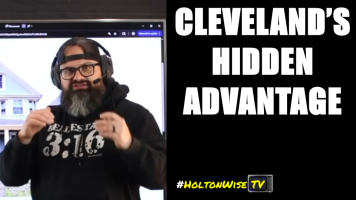
The Hidden Advantage of Cleveland’s 100-Year-Old Housing
Cleveland’s 100-year-old housing stock comes with plenty of challenges, but it can also create advantages that are almost impossible to reproduce today. In this duplex, the finished third floor is already grandfathered in, turning one unit into a large two-story apartment without the massive cost of bringing newly converted living space up to modern building codes. That means higher rent, a more house-like feel, and tenants who may be more likely to stay long term. When you understand Cleveland’s older housing stock, features that look outdated can actually become some of the property’s most valuable assets.
New York: Stop Buying Where Landlords Get Punished
New York investors are getting crushed before the deal even begins—sky-high purchase prices, property taxes, insurance, repairs, and regulations that make it harder and more expensive to remove nonpaying tenants. If your goal is dependable cash flow, stop limiting yourself to the market where you live. Out-of-state real estate investing gives you access to more affordable, landlord-friendly cash-flow markets like Cleveland, Detroit, and Indianapolis, where your money can buy more property and potentially produce stronger returns. Reach out to Holton-Wise and let our team help you invest outside New York without trying to manage everything alone.
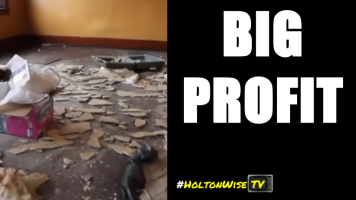
St. Louis Section 8: The Nastier the House, the Bigger the Profit
The nastier the house, the more investors run away—and that fear is exactly what creates the opportunity. In St. Louis Section 8 real estate, evictions, trash-outs, damaged units and heavy renovations can lead to major discounts for investors who know how to calculate the repairs, manage the risk and properly stabilize the property. The biggest profits are rarely hiding inside the cleanest houses with the most competition. They’re often buried inside the deals nobody else wants to touch.
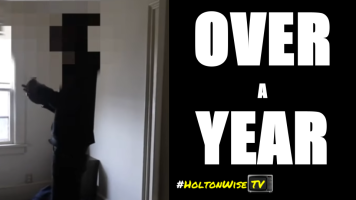
New York Investors: This Tenant Went Over a Year Without Paying Rent
A tenant going more than a year without paying rent is exactly why long-distance investors need an experienced local team protecting their property. Holton-Wise helps out of state investors from New York avoid being blindsided by chronic nonpayment, dangerous conditions and costly property damage. Our team handles tenant screening, rent collection, inspections, maintenance coordination, legal notices and the eviction process when necessary—so you are not trying to manage a high-risk rental from hundreds of miles away. Out-of-state investing can produce strong cash flow, but only when you have boots on the ground enforcing the lease and protecting your asset.

Flint Investors: Same Rent, Half the Price—and Double the Risk
A cheap rental property is not automatically a better investment. In this video, James Wise explains why two similar houses can command nearly the same market rent while the property in the safer, more stable neighborhood sells for more than twice as much. The discount in a distressed Flint neighborhood reflects real risks, including inconsistent rent collection, vacancy, tenant turnover, property damage and surrounding blight. Successful investors must look beyond the advertised rent and determine how reliably that income can actually be collected before deciding whether the higher projected return is worth the additional risk.
Indianapolis Section 8: Guaranteed Rent Doesn’t Mean a Good Tenant
A Section 8 voucher does not automatically make someone a good tenant. In this video, James Wise explains why Indianapolis landlords still need to thoroughly screen voucher holders by reviewing their payment history, prior landlord references and how they treated previous rental properties. The government may cover most of the rent, but the tenant can still be responsible for a portion—and failing to collect that portion can still end in eviction. Section 8 provides structure and reliable assistance, but profitable landlords must respect the process, apply consistent screening standards and select tenants based on their behavior—not simply the voucher.
Detroit BRRRR: Build a Million-Dollar Portfolio Without 25% Down
You do not need to start wealthy to build a million-dollar real estate portfolio in cheap markets like Detroit, Michigan. In this video, James Wise explains how the BRRRR strategy—buy, renovate, rent, refinance and repeat—allows investors to recycle their capital instead of constantly saving another 25% down payment. James breaks down how he used BRRRR deals and seller financing to grow from managing a RadioShack at 21 years old to owning a multimillion-dollar portfolio. The key is not relying on one strategy, but building a complete investor tool belt that helps you acquire properties, recover your cash and continue scaling.
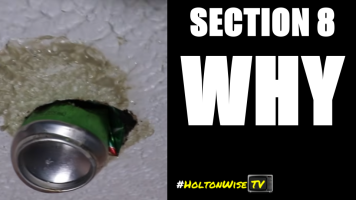
Cleveland Section 8: A Gun in the Closet & Mountain Dew in the Ceiling
A gun in the closet, roach droppings everywhere and Mountain Dew leaking through the ceiling—this Cleveland rental inspection kept getting crazier. But there is a serious investment lesson underneath the Section 8 chaos: never evaluate a rental property from listing photos and projected numbers alone. You need experienced people physically walking the property, identifying the obvious problems and looking for expensive risks that inexperienced investors overlook. In Cleveland’s older housing stock, that also means taking lead safety and compliance seriously. Pb Free Ohio helps landlords with lead inspections, assessments and the lead-safe certification process.
Jersey City Investors: Vacant Apartments Beat Inherited Tenant Nightmares
Vacant apartments can be a major advantage when you are buying a studio building because the wrong inherited tenants can destroy the entire investment. In this video, James Wise explains why studio apartments can produce incredible cash flow when you carefully screen reliable tenants—and become a complete nightmare when the previous owner filled the building with unstable renters. Jersey City investors looking for affordable out-of-state apartment buildings need to understand why tenant quality can make or break the deal.

Sacramento Investors: We Handle the Evictions—You Keep the Cash Flow
Sacramento investors want the monthly cash flow, Section 8 income, and long-term wealth—but most do not want to deal with evictions, tenant problems, turnovers, and the daily chaos that comes with rental property ownership. That is where Holton-Wise comes in. Our team handles the tenants, property management headaches, evictions, and operational work so you can focus on building a profitable out-of-state real estate portfolio and creating lasting wealth for your family.
Burleson Texas: California’s Loss Is Your Rental Profit
As more people leave expensive, landlord-unfriendly states like California for growing Texas communities, Burleson investors are positioned to benefit from increased housing demand, rising rents, and long-term appreciation. In this video, James Wise explains how population growth, warm weather, tax benefits, and landlord-friendly policies can make Burleson, Texas an attractive market for rental property investors. Rent To Retirement helps investors identify opportunities in growing out-of-state markets like Texas and build portfolios with experienced teams already in place.
 Print
Print 