
HoltonWiseTV Highlights (68)

$60K in Incentives—or Evictions, Repairs & Attorneys?
Building a rental portfolio doesn’t have to mean constantly dealing with nonpaying tenants, eviction attorneys, property cleanouts, and another $10,000 rehab every time a bad situation blows up. Rent To Retirement offers investment opportunities that may provide up to $60,000 in potential incentives and tax savings, giving investors another way to think about growing a portfolio. Instead of spending all your money fixing yesterday’s problems, you may be able to use those incentives to help build tomorrow’s portfolio.

They Put THIS in a Section 8 Rental???
You don’t usually see a tile backsplash in a rental at this price point, especially in the affordable markets where I’m buying Section 8 properties. This one has neutral finishes, an updated kitchen, solid mechanicals, and should rent for around $1,200 a month whether you go cash or Section 8. This is exactly why I like markets like Cleveland, Detroit, Memphis, and Baltimore for out-of-state investors coming from expensive places like Los Angeles and New York—you can buy affordable properties, put tenants in quality housing, and still make the numbers work.

Just Because You CAN Raise Rent $375 Doesn’t Mean You Should
This Toledo tenant is paying just $600 a month while market rent is closer to $975. Legally, a landlord may have the ability to bring that rent much closer to market with proper notice, but successful real estate investing isn’t about squeezing every possible dollar out of a tenant overnight. You have to weigh the extra rent against turnover, vacancy, repairs, leasing costs, and the value of keeping a reliable long-term tenant. This is the kind of decision investors need to understand when buying rentals in affordable Midwest markets, especially if you’re coming from expensive markets like New York or Los Angeles and looking at Section 8 and cash-flow properties.
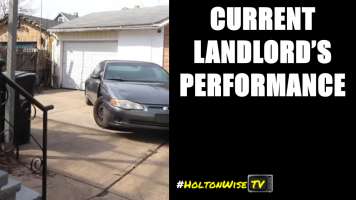
You’re Buying the Property—Not the Current Landlord’s Performance
You’re not buying the current landlord’s performance—you’re buying the property’s future potential. That matters even more with Section 8, where the current rent roll may have very little to do with what the property can actually produce under better management. Out-of-state investors from expensive markets like Los Angeles and New York should be focused on market rent, neighborhood performance, tenant demand, and what the deal can realistically do once it is operated correctly. In Section 8 markets like Cleveland, Detroit, Memphis, and Baltimore, my team helps investors analyze the real numbers, buy the right properties, and manage them from hundreds or thousands of miles away.
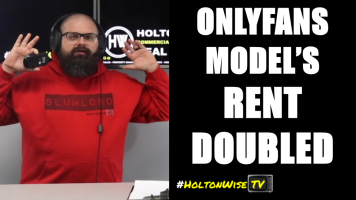
Can a Landlord Double Your Rent Because You Do OnlyFans?
A landlord finds out his tenant is making money on OnlyFans and suddenly doubles her rent because he wants her to move out. Legally, landlords should have broad freedom to make decisions about their own properties within the law—but morally, this is where the situation gets a lot more interesting. If the tenant pays on time, takes care of the unit, and is not causing problems for the neighbors, should her job really matter? This is exactly the kind of landlord-tenant issue that gets people fired up because what is legal and what feels fair are not always the same thing.

Los Angeles Investors Have No Idea What They’re Signing Up For With Section 8
Los Angeles investors thinking about jumping into Section 8 need to understand just how quickly these deals can get crazy when you do not have the right team handling the tenant screening, property management, maintenance, inspections, and day-to-day problems. That is exactly why so many out-of-state investors work with my team in landlord-friendly Section 8 markets like Cleveland, Detroit, Memphis, and Baltimore, where we help investors buy, stabilize, and manage cash-flowing rentals without having to figure everything out from 2,000 miles away. If you want Section 8 cash flow without trying to manage the chaos yourself, you need experienced boots on the ground.

This New Section 8 Paint Trend Saves Landlords Money
White-on-white walls and trim are making Section 8 renovations cheaper for landlords. They’re clean, modern, easy to touch up, and eliminate the extra labor of cutting in different colors. That means faster turnovers, lower rehab costs, and practical rentals that are easier to maintain in strong Section 8 markets like Cleveland, Detroit, Memphis, and Baltimore.

Your Mortgage Freezes in Time. Your Rent Doesn’t
Your mortgage payment can stay locked in for decades, but your rents don’t have to. A unit that once rented for $500 can eventually rent for $1,150, $1,500, or more as the market grows—and that’s why smart investors look beyond day-one cash flow. Whether you’re investing in expensive markets like New York City, Los Angeles, San Francisco, San Diego, or Sacramento, or focusing on cash-flow-driven Section 8 markets like Cleveland, Detroit, Memphis, and Baltimore, the long-term power of rental real estate comes from controlling an asset with fixed financing while rents have the opportunity to keep climbing.

Four Units is the Magic Number in Real Estate—and Most New Investors Have No Idea Why
Four units is the magic number in real estate because it’s the largest multifamily property that can still qualify for residential financing. Once you jump to five units, you’re generally moving into commercial financing, which can mean shorter loan terms, balloon payments, and different underwriting standards. That’s why fourplexes can be such a powerful tool for investors—you get multiple income-producing units while still having access to residential loan products. And if you’re investing in older Cleveland-area properties, make sure lead compliance is part of your numbers from day one.
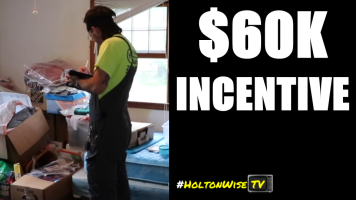
$60K in Incentives for High-Income Real Estate Investors
If you’re making a lot of money, you have two problems: finding productive places to invest it and minimizing how much gets eaten up by taxes. Rent To Retirement has investment opportunities where investors could potentially qualify for up to $60,000 in incentives and tax savings, giving you the chance to redirect more of your money toward income-producing real estate instead of constantly writing checks for taxes, repairs, turnovers, and eviction expenses. Make your money solve problems for you instead of buying properties that create more problems you have to solve.

You Need $25,000 to Buy a $100,000 Rental. I Don’t
You need $25,000 to buy a $100,000 rental with a traditional 25% down loan—but seller financing can change the entire equation. Instead of letting a bank dictate your down payment, interest rate, and terms, you can negotiate directly with the seller and structure a deal that works for both sides. The key is finding the right seller. Properties that have been sitting on the market for months, especially tired-landlord rentals in tougher tenant markets, can create the perfect opportunity for creative financing. That’s exactly how I used seller financing to grow my rental portfolio without constantly tying up huge amounts of cash.

$15K Down and $104 a Month to Control This Section 8 Rental
Why dump $90,000 of your own cash into a rehab if the seller is willing to help finance the deal? I’d offer $40,000, put $15,000 down, and have the seller carry the remaining $25,000 at 5% interest-only for 24 months—that’s only about $104 a month. Now I can keep more of my cash available for the renovation, get the Section 8 rental stabilized, build the ARV, and choose the right time to cash-out refinance. That’s the kind of creative financing that can make Midwest Section 8 markets like Cleveland, Memphis, Baltimore, and Detroit a completely different game than trying to build a rental portfolio in New York, Los Angeles, San Francisco, or San Diego.

The Landlord Just Turned the iPad Around… 15%, 20%, or 25%?
You tip your bartender. You tip your Uber driver. You tip the guy who drops a burrito on your porch. But the landlord keeping a roof over your head all year? Nothing. So maybe it’s time we modernize Section 8 lease signing. Rent, security deposit, and then the landlord spins the iPad around: 15%, 20%, or 25%. Don’t be cheap. Tip your landlord.

How I Knock $10,000 Off a Section 8 Rental
Getting a Section 8 rental under contract is only the beginning. If the seller wants $145,000, I’m not automatically handing them $145,000. I want that inspection report ripping the property apart so I have 90 pages of ammunition to go back in and renegotiate. Roof, electrical, plumbing, foundation, HVAC—I’m looking for every legitimate reason the numbers should change. That’s how investors protect their cash and force better deals. While investors in New York, Los Angeles, San Francisco, and San Diego are dropping insane money just to get into the game, I’m hunting cash-flowing Section 8 rentals in markets like Cleveland, Memphis, Baltimore, and Detroit—and then negotiating those prices even lower.

I Buy Cheap Section 8 Rentals Next to Million-Dollar Neighborhoods
Why pay $500,000 for a rental when I can buy a cheap Section 8 property right next to neighborhoods where people are spending millions? In Cleveland, I like buying near places like Tremont, Ohio City, University Circle, Little Italy, and Gordon Square—close enough to benefit from new construction and rising values, but cheap enough to still get serious cash flow. If the neighborhood takes off, great. If it doesn’t, I’m still collecting Section 8 rent every month. That’s the game: buy cheap, collect high rent, and let appreciation be the bonus.

Crypto Bros Chase Hype—I Buy Section 8 Rentals
Crypto bros can chase the next coin, token, or digital trend, but I’d rather put my money into something real—rental properties I can see, touch, improve, and rent out every month. Section 8 investing gives landlords the opportunity to own tangible real estate while providing housing and building long-term cash flow. Markets like Cleveland, Memphis, Baltimore, and Detroit can offer investors a completely different value proposition than expensive markets like New York or California. If you want to build wealth with real assets instead of chasing hype, start learning how rental property investing actually works.
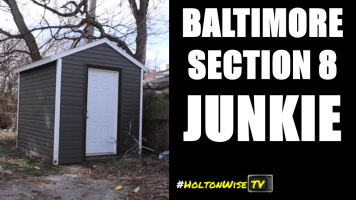
Baltimore Section 8: When the Tenant Is a Junkie
Baltimore Section 8 can produce strong cash flow, but landlords still have to protect themselves from tenants whose drug problems turn into unpaid rent, property damage, police calls, and expensive evictions. Investors leaving high-cost markets like New York City, Los Angeles, San Francisco, and San Diego often look toward affordable Section 8 markets such as Baltimore, Cleveland, Memphis, and Detroit because the numbers can make a lot more sense—but lower purchase prices don’t eliminate tenant risk. Screening, management, inspections, and knowing when to move quickly on a problem tenant are all part of running a profitable rental business.

One Block Can Change Everything in Cleveland Real Estate
One block can make a huge difference when you’re investing in Cleveland real estate. You can find lower-cost duplexes sitting just minutes from stronger neighborhoods like the Van Aken area, but if you move a few streets in the wrong direction, property values and neighborhood quality can drop fast. That’s why out-of-state investors can’t just look at the price, rent, or ZIP code—you need to understand the exact pocket you’re buying in. The right block can mean better tenants, stronger appreciation, fewer headaches, and a much better long-term investment.
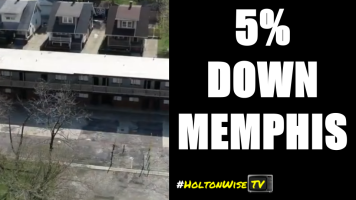
Buy Memphis Section 8 Rentals With Just 5–10% Down
If you’re trying to build a Section 8 rental portfolio in Memphis, tying up 20% to 25% on every deal can slow you down fast. Owner financing can potentially let you get into properties with as little as 5% to 10% down, preserve more of your capital, and scale into more rentals using other people’s money. For investors coming from expensive markets like New York City, Los Angeles, San Francisco, and San Diego, the lower acquisition costs and stronger cash-flow potential in markets like Memphis can completely change the math.

Your Property Manager Can Handle the Drama—But You Still Pay for It
Your property manager can deal with the tenant arguments, complaints, and day-to-day headaches—but that doesn’t mean those problems stop costing you money. When tenants are unhappy with their living situation, they’re more likely to move, and every extra turnover can mean repairs, vacancy, cleaning, leasing costs, and lost rent. That’s why I like multifamily properties where each unit feels more like its own private home. Better layouts can mean happier tenants, longer stays, fewer turnovers, and stronger cash flow for the investor.

Domestic Violence Is a Massive Tenant Red Flag
When you’re screening tenants, not all criminal history carries the same level of risk. A documented history of violent behavior can mean a higher chance of police calls, disturbances, property damage, and serious problems at your rental. The point here isn’t that victims of domestic violence are a red flag—it’s that landlords need to take violent criminal history seriously, use consistent screening standards, and understand exactly who they’re putting into their properties.

$335K in Cleveland Gets You What $1 Million Buys in New York
$335,000 might sound expensive to investors who come to Cleveland looking for houses under $100K, but that misses the bigger picture. This is brand-new construction in a hot Cleveland neighborhood, and a comparable property in New York or Los Angeles could easily cost dramatically more. For investors, the takeaway is simple: don’t just shop for the cheapest house. Compare what your money actually buys. A newer property in a stronger neighborhood can mean less deferred maintenance, fewer surprise repairs, better tenant appeal, and a potentially more durable long-term investment. Sometimes paying more upfront can put you in a much better position than chasing the lowest purchase price.

New York Section 8: Longer Tenants, Fewer Turnovers, More Reliable Rent
In New York, turnover can absolutely destroy a landlord’s cash flow, especially in lower-income rentals where every vacancy can mean repairs, cleanup, lost rent, and another expensive make-ready. That’s one reason solid Section 8 tenants can be so valuable: subsidized tenants often stay longer, government-backed rent can make collections more consistent, and fewer turnovers can help offset the fact that some tenants may be harder on the property. The goal isn’t finding a perfect tenant—it’s building a rental that produces reliable income while keeping costly vacancies and turnovers to a minimum.
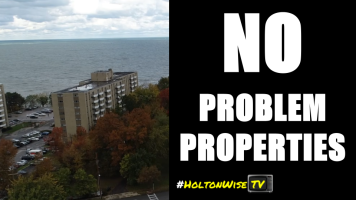
$60,000 in Incentives to Buy New Rentals Instead of Problem Properties
$60,000 in incentives and tax savings could completely change the way you build your rental portfolio. Instead of buying another beat-up property, inheriting deferred maintenance, chasing tenants for rent, dealing with evictions, and dumping thousands into turnovers, Rent to Retirement gives investors access to newer rental opportunities that may come with significant incentives and tax advantages. There’s nothing wrong with owning lower-income rentals—I’ve built a career doing it—but investors should understand there are other ways to grow a portfolio without taking on somebody else’s problems.

Sacramento Landlords: Chase Rent, Evict Deadbeats, Call the Cops
Being a landlord in Sacramento, California isn’t always the passive-income dream people make it out to be. Landlords can find themselves chasing unpaid rent, dealing with costly turnovers, repairing tenant damage, and handling serious tenant problems—all while operating in one of the country’s more complicated landlord-tenant environments. That’s why many California investors look at out-of-state rental properties where the numbers and landlord economics may make more sense. Markets like Cleveland, Detroit, Memphis, and St. Louis remain some of my favorite Section 8 markets for investors looking for stronger cash flow and a different operating environment.

Get Up to $60,000 to Build Your Rental Portfolio
You don’t have to build a rental portfolio by constantly buying beat-up properties, dealing with nonpaying tenants, paying attorneys, and dumping another $10,000 into every turnover. There are other ways to invest. Rent To Retirement offers investment opportunities that may provide up to $60,000 in incentives and tax savings, giving investors another way to put capital toward building their portfolio instead of constantly paying to fix yesterday’s problems.

They Ruined Your Rental. Don’t Give Them a Lawsuit Too
When a tenant trashes a property you worked years to buy, it’s easy to get angry and want them out immediately—but that’s exactly when landlords make expensive mistakes. Changing locks, shutting off utilities, removing belongings, or trying to force a tenant out without following the legal eviction process can turn a bad tenant into an even bigger financial problem. Protect the property, document the damage, follow the proper process, and don’t hand a destructive tenant ammunition to come after you in court.

Why Is the Landlord So Fat? Ask Your Girlfriend
Landlords get roasted in the comments for everything except the one thing that actually matters: whether the rent gets paid. Real estate investing is a business, not a popularity contest. You can complain about the landlord, crack jokes, and leave all the angry comments you want—but the mortgage, taxes, insurance, repairs, and operating costs still have to get paid. If you want to build wealth with rental properties, focus less on feelings and more on running the numbers, managing tenants, and protecting your cash flow.

You Spent the Rent Money on Porn—Now the Landlord Is the Bad Guy?
Everybody wants to blame landlords for the eviction crisis, but sometimes the problem is a whole lot simpler: the rent didn’t get paid. If a tenant blows their money on OnlyFans, gambling, partying, or anything else instead of handling their bills, that doesn’t suddenly make the landlord evil for enforcing the lease. Rental properties are businesses, and landlords still have mortgages, taxes, insurance, repairs, and employees to pay. At some point, personal responsibility has to enter the conversation.

Landlords Don’t Provide Housing—They Run Businesses
Landlords are not charities and they’re not government housing agencies—they’re running for-profit businesses. That means screening tenants carefully, protecting cash flow, and making decisions based on who is most likely to pay the rent and take care of the property. Investors coming from expensive markets like New York City, Los Angeles, San Francisco, and San Diego need to understand that mindset even more when they start buying affordable Section 8 rentals in markets like Cleveland, Ohio, Baltimore, Maryland, and Detroit, Michigan. The goal is not to give a house to everyone who needs one—the goal is to operate a profitable rental business that can keep providing quality housing for the tenants who qualify.

Is This the Nicest Section 8 Kitchen in Cleveland?
This might be the nicest Section 8 kitchens in Cleveland. You don’t need to build a luxury kitchen for a $900,000 house—you just need to give tenants something better than the other rentals they’re comparing it to. When your Cleveland rental is renovated above the competition, you can attract better tenants, justify stronger rents, and give people fewer reasons to move out. In Section 8 investing, tenant retention can be just as important as maximizing rent.

Gary Section 8: Why I Love 100-Year-Old Floors
Gary, Indiana is full of older housing stock, and sometimes that works in a landlord’s favor. Those 100-year-old hardwood floors can take a beating that carpet simply can’t. Carpet may need to be replaced every tenant or every couple tenants, especially in higher-turnover Section 8 rentals, while old hardwood can often be cleaned up, refinished, and put right back into service. For out-of-state investors coming from expensive markets like New York City, Long Island, Los Angeles, San Diego, San Francisco, or San Jose, little details like durable flooring matter when you’re trying to keep turnover costs low and cash flow high in Midwest markets like Gary.

The $60,000 Question Every Real Estate Investor Should Ask
Here’s the $60,000 question every real estate investor should ask: would you rather spend the next year chasing tenants for rent, dealing with evictions, repairing destroyed units, and paying for expensive turnovers—or look at newer rental properties with up to $60,000 in potential incentives and tax savings? There’s nothing wrong with low-income rentals—I’ve made a career investing in them—but investors should understand there are other ways to build a portfolio. Rent To Retirement helps investors access newer rental properties in growing markets while potentially taking advantage of builder incentives, tax benefits, and a more turnkey approach instead of inheriting another landlord’s problems.

Canada Says You Can’t Sell Your House to Whoever You Want
Canada has restricted many non-Canadians from purchasing residential property in the country, and the federal ban has been extended through January 1, 2027. The Canadian government says the policy is meant to reduce foreign demand and improve housing affordability, while critics argue it gives the government too much control over private real estate transactions. In this video, James Wise breaks down Canada’s foreign-buyer ban, why he believes governments shouldn’t be deciding who property owners can sell to, and whether restricting buyers actually fixes the underlying problems driving housing costs. The law includes exceptions and does not apply to every property or every non-Canadian buyer.

Firings at BiggerPockets
There’s been a major shakeup at BiggerPockets. David Greene and Rob Abasolo are out, Dave Meyer has stepped into the lead role, and the BiggerPockets Real Estate Podcast says it’s getting back to basics with less guru-style content and less fluff. At the same time, The Chernin Group acquired a majority stake in BiggerPockets, owning more than 50% of the company.

I’d Rather Be $200 Under Market Than Spend $10K on Turnover
Sometimes the smartest move as a landlord is leaving a little rent on the table. If a tenant is paying consistently and the property cash flows, forcing a turnover just to chase another $100 or $200 a month can backfire fast when you’re staring at $5,000–$10,000 in cleaning, repairs, paint, flooring, lead compliance, and vacancy. I’d rather raise the rent gradually, keep the cash flow coming in, and avoid unnecessary turnover. That strategy matters even more in older Cleveland rental properties, where landlords also need to stay ahead of lead-safe requirements and compliance costs.

One San Jose Condo Could Buy You 10 Rentals in Cleveland
San Jose investors may be sitting on massive equity while earning relatively weak cash flow. Instead of leaving all that capital tied up in one expensive Silicon Valley property, you could potentially redeploy it into a portfolio of cash-flowing rentals in lower-cost markets like Cleveland, Memphis, Dayton, or Detroit. The tradeoff is that these markets can come with more management headaches, more maintenance issues, and more tenant problems—but that’s also why the potential returns can be significantly higher. If you can manage the operational side correctly, one expensive California property could potentially become an entire rental portfolio.

Section 8 Is the Safest Tenant on the Block
If you’re buying rentals in high-poverty, high-crime neighborhoods, your biggest risk often isn’t the Section 8 tenant—it’s putting someone in the property who stops paying altogether. Voucher tenants can reduce that risk by bringing a reliable housing subsidy into markets where rent collection can otherwise be a constant problem. That’s one reason Section 8 investing can work so well in markets like Cleveland, Ohio; Baltimore, Maryland; Detroit, Michigan; Dayton, Ohio; and other affordable Midwest and East Coast cities. The goal isn’t to eliminate every risk—it’s to control the risks you can, protect your cash flow, and put the strongest tenant possible in the property.

New York Calls Evictions Evil. I Call Stealing Evil
New York and Los Angeles have built reputations for making the eviction process long, expensive, and painful for landlords—but when a tenant stops paying rent, the landlord is still expected to cover the mortgage, taxes, insurance, repairs, and utilities. That’s why I’d rather invest in Section 8 markets where the numbers make sense and landlords have a better shot at protecting their investment, including Cleveland, Dayton, Baltimore, and Detroit. Section 8 can produce dependable cash flow when you buy right, manage the property correctly, and understand the local rules.

Bullsh*t Comes With the Territory—But Rental Properties Make Millionaires
Rental real estate is not passive, perfect, or headache-free. You are going to deal with repairs, tenants, vacancies, inspections, contractors, financing, and plenty of bullsh*t along the way—but that is part of the business. Whether you are buying rentals in Cleveland, Detroit, Baltimore, Dayton, Memphis, or another cash-flow market, the goal is the same: buy right, create cash flow, build equity, take advantage of the tax benefits, and keep stacking assets. That is how a handful of rental properties can turn into serious long-term wealth. If you want help finding deals, running the numbers, and avoiding expensive mistakes, HoltonWise is here to help.
The Milwaukee Buying Window Could Be Closing as Rates Fall
The Milwaukee buying window could be getting tighter as interest rates move off their highs and more buyers start coming back into the market. After the Fed spent years fighting inflation with aggressive rate hikes, lower borrowing costs can eventually mean more competition, higher prices, and fewer opportunities for investors who waited on the sidelines. Milwaukee still offers the kind of price-to-rent ratios that attract cash-flow investors, but if financing keeps getting easier, today’s deals may not look nearly as attractive later.

Helping a Nashville Investor Build a BRRRR Portfolio in Cleveland
Helping a Nashville investor build a BRRRR portfolio means more than just sending over random listings. I help out-of-state investors analyze Cleveland deals, estimate rents and rehab costs, understand the neighborhood, run the numbers, and figure out what they actually need to pay for the BRRRR strategy to work. A lot of these deals only make sense if you can buy them dirt cheap, which means knowing when to come in with a lowball offer and when to walk away. That local knowledge is exactly why investors from markets like Nashville come to me when they want to build rental portfolios in Cleveland.
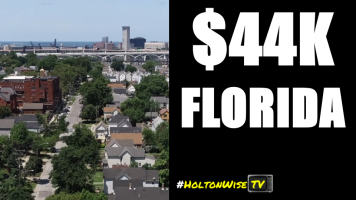
$44K in Fort Pierce Tax Incentives Sure Beats Another Baltimore Eviction
Baltimore landlords can keep battling turnovers, evictions, repairs, and problem tenants—or investors can look at brand-new rental properties in Fort Pierce, Florida offering up to $44,000 in combined incentives and potential tax savings. For investors trying to grow a portfolio without inheriting decades of deferred maintenance and tenant headaches, new construction in landlord-friendly markets can be a completely different strategy. Your call.

Section 8 Isn’t Risky—Lazy Landlords Are
Section 8 can be a great rental strategy, but it is not something you can run on autopilot. Successful landlords stay ahead of inspections, understand housing authority standards, handle maintenance before small problems become violations, and protect those consistent government-backed rent payments. That is especially important for out-of-state investors coming from expensive markets like Los Angeles, San Diego, San Francisco, and New York City who are looking for better cash flow in markets like Cleveland, Dayton, and Baltimore. The real risk isn’t Section 8—it’s being a lazy, reactive landlord who waits until the inspector finds the problem. Treat your Section 8 rentals like a system, stay proactive, and keep your properties compliant.

Slowest Housing Market Since 1995—But Something Just Changed
The housing market has been moving at a pace we haven’t seen in decades, but over the last few weeks I’ve started noticing a real pickup in the markets where I invest. More buyers are moving, more deals are getting activity, and the opportunities are starting to look different. Slow markets can be frustrating, but they can also create some of the best buying opportunities for investors who are paying attention before everyone else realizes the market is shifting.

I’d Rather Cut Off My Foot Than Be a Landlord in Portland
Being a landlord is hard enough without investing in a market where regulations make it even tougher to protect your property, collect rent, and operate profitably. That’s why I’d rather put my money into landlord-friendly markets than places like Portland, Oregon, Los Angeles, California, or New York City. Real estate investing is supposed to produce cash flow and build wealth—not turn into a constant fight with local government and tenant-friendly regulations. If you’re investing from out of state, pay attention to the laws before you fall in love with the property.

Dayton Section 8: Beat a $10,000 Turnover With a Smaller Rent Increase
In Dayton, Ohio, landlords have plenty of flexibility to raise rents, but that doesn’t mean you should automatically push every tenant straight to market rent. If you’ve got a long-term tenant paying below market, a smaller annual increase can make a lot more sense than triggering a vacancy and eating a $10,000 turnover. Repairs, cleanout, lost rent, leasing costs, and getting the property ready for the next Section 8 tenant can destroy months of extra rent in a hurry. Sometimes the smarter move is keeping the tenant in place, raising rent gradually, and pushing that expensive turnover as far down the road as possible.
San Diego: Stop Paying for Tenants Who Stop Paying You
San Diego landlords need to remember that a rental property is a business, not a charity. If a tenant stops paying rent, the landlord is still responsible for the mortgage, taxes, insurance, repairs, utilities, and every other expense tied to that property. Investors need to understand their rights, enforce their lease, and deal with nonpayment quickly instead of allowing a bad situation to destroy their cash flow. This is one of the reasons I prefer investing in landlord-friendly, cash-flow-focused markets like Cleveland, Memphis, and Indianapolis instead of expensive, heavily regulated markets like San Diego and other parts of California.
San Antonio Will Give Investors $41K—Sure Beats Endless Evictions in Indianapolis
You can keep battling aging low-income rentals, constant maintenance, and eviction headaches in markets like Indianapolis—or you can look at a completely different strategy. Rent To Retirement has brand-new rental properties in San Antonio, Texas offering investors up to $41,717 in combined incentives and potential tax savings. For out-of-state investors who want to grow their portfolio without inheriting decades of deferred maintenance and tenant problems, new construction can offer a much cleaner path. Every deal is different, but if you’re comparing another Indianapolis turnover or eviction against a brand-new San Antonio rental with major incentives on the table, it’s worth running the numbers.

$1,200 Today Is Better Than $1,500 After a Vacancy
A tenant paying $1,200 every month is usually worth more than an empty unit you hope to rent for $1,500 after spending money on renovations, turnover, utilities, and lost rent. I’ve always believed landlords should avoid creating unnecessary vacancies—keep collecting the rent, wait for the tenant to move out naturally, and then use that turnover to renovate and push the property to market rent. This is especially important for out-of-state investors leaving expensive markets like California and New York to build cash-flowing Section 8 portfolios in landlord-friendly markets like Cleveland, Ohio, Detroit, Michigan, and Memphis, Tennessee. The goal isn’t to squeeze every possible dollar out of a property today—it’s to maximize long-term cash flow while minimizing unnecessary expenses and turnover.
 Print
