
HoltonWiseTV Highlights (67)

Section 8 Landlord Horror Stories Caught on Camera
Section 8 can produce incredible cash flow, but this footage is a reminder that rental property investing is still a people business—and sometimes things get absolutely insane. We help out-of-state investors manage and analyze deals in markets like Cleveland, Detroit, and Memphis, where investors can often find much stronger cash flow than they’re used to seeing in expensive markets like New York City, Los Angeles, and San Francisco. A lot of our clients come from those high-cost cities looking for better numbers, but if you’re going to invest from out of state, you better have the right local team handling the problems when things go sideways.

Cleveland Doesn’t Make It Easy on Out-of-State Landlords
Cleveland can be a great market for rental property investors, but owning from out of state means dealing with local regulations, inspections, lead certification requirements, and plenty of city bureaucracy. That’s why having the right local team matters. Holton-Wise helps investors navigate the Cleveland market, and we’ve partnered with Pb Free Ohio to help landlords handle lead certification correctly and keep their properties compliant without trying to figure everything out from hundreds or thousands of miles away.

Cleveland Section 8: Cash Flow First, Gentrification Second
In Cleveland, you don’t have to choose between strong Section 8 cash flow and long-term upside. I like targeting affordable rental neighborhoods near areas like University Circle, Little Italy, Tremont, Ohio City, and Gordon Square—places where development, new construction, and investment are already happening nearby. The deal still needs to work based on today’s Section 8 rents, but if that growth eventually spreads into your neighborhood, the appreciation is just icing on the cake.
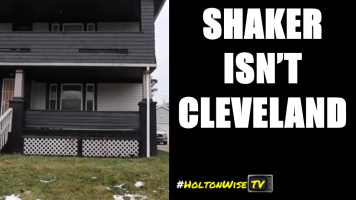
Shaker Heights Isn’t Cleveland—and That Matters for Landlords
Shaker Heights sits right next to Cleveland, but landlords shouldn’t treat the two markets the same. Shaker has higher-end neighborhoods, stronger city services, lower crime in many areas, highly rated schools, and plenty of affluent professionals living nearby. That doesn’t mean doctors and lawyers are lining up to rent your duplex, but the surrounding quality of the city can support higher rents and attract stronger tenants than comparable properties in Cleveland proper. Location still matters—and sometimes being one suburb over changes the entire investment.

Want 100 Rentals? Stop Putting 25% Down on Everything
If your goal is to build a massive rental portfolio, putting 25% down on every single property can eventually bring your growth to a crawl. I built my portfolio using strategies like BRRRR and seller financing because they let you recycle capital, preserve cash, and keep buying instead of waiting years for cash flow to replenish your next down payment. In markets like Cleveland, Detroit, and Memphis, the right combination of affordable properties, strong rents, and creative financing can make scaling a portfolio much more realistic.
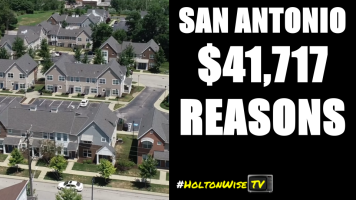
$41,717 Reasons High-Income Earners Should Look at San Antonio Real Estate
If you’re earning $200K, $300K, $500K or more a year, taxes can take a massive bite out of the wealth you’re working so hard to build. Rent To Retirement has brand-new rental properties available in San Antonio, Texas offering investors up to $41,717 in incentives and potential tax savings. Instead of simply writing another huge check to Uncle Sam, real estate may give you an opportunity to buy an income-producing asset, build long-term wealth, and potentially reduce your tax burden at the same time.
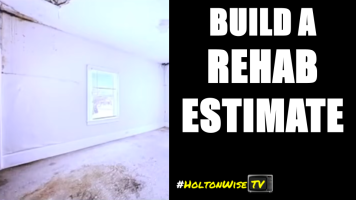
How I Build a Rehab Estimate on a Beat-Up House in St. Louis
When I walk a beat-up house in St. Louis, I’m not just looking at what’s ugly—I’m figuring out what actually needs to be fixed, what can stay, and what the rehab is really going to cost. Water damage, roof leaks, damaged plaster, old finishes—every issue gets priced into the deal before I decide what the property is worth. A good rehab estimate can be the difference between buying a profitable rental and getting buried in unexpected expenses.

Pittsburgh: 106 Days on Market Can Turn an Average Deal Into a Great One
A house sitting on the market for 106 days can create one of the biggest opportunities for a Pittsburgh real estate investor: seller motivation. The longer a property sits, the more likely the seller is to start worrying about whether it will sell at all—and that pain point can give you leverage to negotiate a better price. Finding motivated sellers and buying below market value is one of the simplest ways investors create profit before they even start the rehab.

Baltimore Section 8: The Copper Was Stolen—That’s Actually Good News
In Baltimore, older rental properties often come with a history—and sometimes that includes stolen copper plumbing. In this case, seeing PEX is actually good news because it likely means the valuable copper is already gone and the plumbing has been replaced with something thieves have little incentive to steal. For Section 8 investors buying distressed properties, upgrades like this can mean one less expensive problem to worry about after closing.
Out-of-State Landlords Can’t Handle Evictions From a Spreadsheet
Out-of-state rental investing is a lot more than analyzing purchase price, rent, cap rate, and cash flow on a spreadsheet. When a tenant stops paying and an eviction becomes necessary, you need an experienced local team that can actually execute—property management, notices, court filings, contractors, lockouts, and getting the unit rent-ready again. If you’re investing hundreds or thousands of miles away, the people you have on the ground can matter just as much as the numbers on the deal.

My Tenant Called Frantically Because It Was Raining Inside Her Apartment
One of my tenants called me frantically during a rainstorm because water was pouring into her second-floor dining room. The problem wasn’t the roof. The tenant above her apparently discovered bed bugs in a couch and decided the best solution was to throw the entire couch out of a third-floor window—in the middle of the storm—damaging the window and letting the rain pour inside. This is the kind of landlord story you couldn’t make up if you tried.

Calling It Wholesaling Doesn’t Make Unlicensed Brokering Legal
Calling something “wholesaling” doesn’t automatically exempt you from real estate licensing laws. If you’re simply connecting a seller with a buyer, negotiating the deal, and collecting a fee in the middle, state regulators may view what you’re doing as brokering real estate. That distinction matters because unlicensed brokerage activity can expose investors and wholesalers to serious fines and penalties. Know your state’s laws, understand what you actually own or control in the transaction, and don’t assume a different label changes the rules.
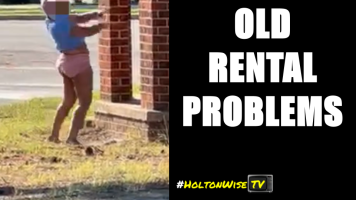
Old Rentals Come With Problems. New Rentals Come With $30K in Incentives
Old rentals can come with somebody else’s problems—deferred maintenance, bad tenants, evictions, and expensive surprises. Rent To Retirement gives investors another option with brand-new construction investment properties, up to $30,000 in incentives, and potential tax savings through cost segregation strategies. Instead of inheriting a mess, you could start fresh with a newer property built for today’s investor.

Stop Feeding Your California Rental Every Month
Too many California rental investors are feeding their properties hundreds or even thousands of dollars every month and calling it “investing,” hoping appreciation eventually makes the numbers work. Meanwhile, cash-flow markets like Cleveland, Detroit, and Memphis can offer investors a completely different model—buy based on income, expenses, and returns that make sense today. If your rental only works because you’re betting on tomorrow’s appreciation, it may be time to rethink the strategy.

The News Shows the Eviction—Not What Caused It
The news loves to show the final moments of an eviction—the tears, the anger, and the tenant being forced out. What they rarely show you are the months of unpaid rent, property damage, ignored notices, broken lease agreements, and broken promises that came before it. Evictions usually aren’t random events. They’re the end result of a long series of decisions and consequences that landlords are left dealing with.

You Hate Your Landlord… But You Want His Life
You might complain about your landlord, but deep down, you probably wouldn’t mind owning the building, collecting the rent, building equity, and having somebody else help pay off the mortgage. Whether you’re renting in New York, Chicago, Cleveland, Memphis, or Philadelphia, the real question is whether you’re going to spend your entire life paying a landlord—or eventually become one yourself. Real estate investing isn’t just about owning property. It’s about owning assets that can produce income, appreciate over time, and help build long-term wealth.

Section 8 Housing in Cincinnati Needs to Be Murder-Proof
Old-school hardwood floors are exactly what I want to see in a Cincinnati Section 8 rental. Carpet gets stained, torn up, soaked by pets, and sometimes needs replaced after just one tenant. But 100-year-old hardwood can take an incredible amount of abuse and keep going. When you’re investing in rental properties, especially higher-turnover Section 8 housing, durable finishes can save you thousands in maintenance and make every turnover faster and cheaper. I want my rentals built to survive just about anything.

The Spreadsheet Says Raise Rent. Should You?
The spreadsheet might say you can raise the rent, but that doesn’t mean you automatically should. Rental investing is a people business, and every rent increase can trigger a reaction—from a tenant happily paying more to an expensive vacancy, turnover, repairs, and leasing costs. Smart landlords look beyond the projected rent and assess the actual tenant, the property, and the risk of pushing too hard before deciding how much more rent they can realistically collect.

Detroit Section 8: Never Put Laundry Upstairs
Putting laundry upstairs might sound like a nice upgrade for tenants, but Detroit Section 8 landlords need to think about the downside. When tenants are moving washers in and out and hooking up their own appliances, one bad connection can turn into a serious water leak and thousands of dollars in damage. That’s why many experienced landlords keep laundry in the basement, where a leak is much less likely to destroy floors, ceilings, and living space.

Get $44K in Incentives & Tax Savings When You Invest in Fort Pierce, Florida
High-income earners can lose a massive amount of money to taxes every year—but real estate may give you another option. Rent To Retirement has brand-new rental properties available in Fort Pierce, Florida with up to $44,000+ in incentives and potential tax savings. Instead of simply writing a bigger check to the IRS, you may be able to put that money toward another income-producing asset while building your real estate portfolio. Talk with your tax professional about how strategies like cost segregation and real estate investing could impact your specific situation.

Oklahoma City Is Cracking Down on Shady Real Estate Wholesalers
Real estate wholesaling can be a legitimate business, but stringing along distressed sellers with contracts you never intend to close is a different story. If your entire plan is to lock up somebody’s property, scramble to find an end buyer, and walk away when you can’t, you’re putting people who may already be in a desperate situation at even greater risk. The right way to wholesale real estate is simple: buy low, sell high, understand your obligations, and be prepared to actually close the deal. Oklahoma City investors need to understand that doing business the right way matters more than ever.
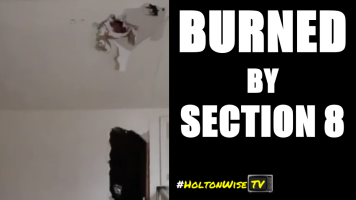
Lazy Landlords Get Burned by Section 8
Section 8 can be one of the most reliable rental strategies out there—but only if you actually manage it like a system. Lazy landlords wait until something breaks, fail inspections, ignore compliance standards, and then act surprised when housing authority payments get delayed or stopped. The best Section 8 investors stay ahead of inspections, handle maintenance proactively, understand the housing authority’s standards, and fix problems before they become compliance issues. Section 8 itself isn’t the problem. Poor management is.

Real Estate Investing Is Ugly. That’s Why It’s Profitable
Real estate investing is not always clean, passive, or easy—and that is exactly why there is money to be made. We film the chaos because investors need to understand what this business actually looks like: problem properties, tenant issues, evictions, renovations, management headaches, and all the ugly work that comes with owning rentals. If you can learn how to manage those problems instead of running from them, you can create opportunities other investors miss and build real long-term wealth for your family.

Seller Finance BRRRR: $15K Down, $104/Month, Cash Out $101K
Seller financing can completely change the way a BRRRR deal is structured. In this example, the buyer could potentially get into the property with $15,000 down, pay roughly $104 per month in interest-only seller financing, complete the renovation, then refinance once the property is stabilized and potentially pull out around $101,000. The bigger point is that you do not have to blindly throw cash at a property and hope the numbers work. When you work with HoltonWise, we can provide buyers with a high-level analysis of potential deals, including purchase structure, renovation costs, financing strategy, projected rents, refinance potential, cash flow, and overall investment viability so you can understand the deal before committing your money.

Why Cleveland Developers Are Building $500K Homes on Vacant Lots
There’s a reason developers are suddenly building brand-new $300,000, $400,000, and $500,000 homes on vacant lots in Cleveland. The city offers a 15-year tax abatement on qualifying new construction, which can dramatically reduce the property tax burden by allowing owners to pay taxes primarily on the land value rather than the newly built structure during the abatement period. Incentives like this can completely change the economics of developing vacant land and help explain why certain Cleveland neighborhoods are seeing so much new construction.

Get $61K in Incentives & Tax Savings When You Invest in Kissimmee, Florida
Why send more of your hard-earned money to the taxman when you could use real estate to build your portfolio? Rent To Retirement has brand-new rental properties available in Kissimmee, Florida, where investors could receive up to $61,149 in combined incentives and potential tax savings through available programs and tax strategies such as cost segregation. Instead of simply writing a bigger tax check, you may be able to put that money to work in another income-producing property while taking advantage of significant investor benefits.

Cleveland Is Paying Developers to Build on These Vacant Lots
Cleveland is seeing brand-new construction pop up on vacant lots across the city, and it is not happening by accident. Developers are targeting certain neighborhoods because the location makes sense, but city incentives are also helping make these projects financially viable. For real estate investors, understanding where public incentives and private development are lining up can help you spot neighborhoods that may be positioned for major change.
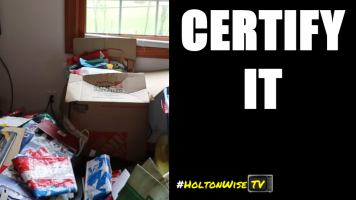
Get Any Cleveland Rental Lead Certified
Cleveland landlords know lead certification can become a major headache, especially when you’re dealing with older rentals that are rough, messy, or loaded with deferred maintenance. But a property doesn’t have to be perfect before you start figuring out the path to compliance. Pb Free Ohio helps Cleveland-area landlords understand what needs to be corrected, what can be handled efficiently, and how to move toward getting the property lead certified without wasting time or money.

Stop Letting Mayor Mamdani Tell You How Much Rent You Can Charge
New York City investors: how much control do you really want politicians having over your rental properties? Mayor Mamdani doesn’t personally set every rent in NYC, but his administration has made rent regulation a major priority while New York landlords continue operating under some of the toughest rental regulations in the country. That’s one reason some investors look at selling or pulling equity out of expensive New York properties and redeploying that capital into Ohio, where acquisition prices can be dramatically lower, investors can potentially spread their money across more doors, and state law prevents local governments from imposing rent control or rent stabilization on private rentals. Instead of owning one expensive NYC property with heavy regulation, that same equity could potentially build a much larger Ohio rental portfolio. More doors, more diversification, more control over your investment strategy.

Atlanta Investors: Hard Money Isn’t Better Than a 30-Year Fixed Loan
Atlanta real estate investors have a lot of financing options—seller financing, private money, hard money, cash, commercial loans, and conventional mortgages—but the boring 30-year fixed loan is still one of the strongest tools in the business. Put 25% down, let the lender finance the other 75%, lock in your rate for 30 years, and avoid the short terms, balloons, and refinancing pressure that often come with hard money, private loans, seller financing, and commercial debt. Creative financing has its place, but sometimes the simplest financing is still the best financing.
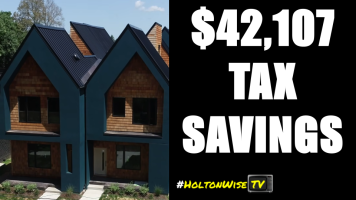
$42,107 in Incentives & Tax Savings When You Invest in Montevallo, Alabama
Got a huge tax bill coming? Before you hand all that money over to the government, take a look at what Rent To Retirement is offering in Montevallo, Alabama. Investors can purchase brand-new rental properties with up to $42,107 in incentives and potential tax savings, giving you a chance to put more of your money into an income-producing asset instead of simply writing a bigger tax check. If you’re looking for a way to combine new construction, rental income, incentives, and potential tax advantages, this is one market worth checking out.

Squatters Create Money-Making Opportunities in Philly
Squatters are one of the biggest headaches a property owner can deal with—but in real estate, big problems can create big opportunities. In Philly, properties with squatters can scare off buyers, create motivated sellers, and open the door for investors who actually know how to solve the problem. In this video, I break down why the properties everyone else wants to avoid can sometimes be the deals with the most upside.
Cleveland Section 8 Rehabs: $20 a Foot? $40? Neither
There is no magic price-per-square-foot number that tells you what a Cleveland Section 8 rehab is going to cost. Every property has different mechanicals, layouts, deferred maintenance, tenant damage, code issues, and scope of work, which is why we price rehabs on a project-by-project basis instead of blindly assuming $20, $30, or $40 per square foot. Investors can get themselves into trouble when they rely too heavily on simple rehab formulas instead of analyzing the actual property.
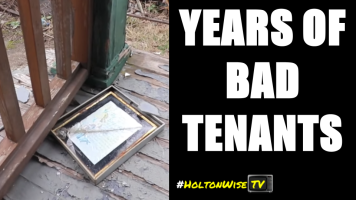
Rochester Rental Reality: Years of Bad Tenants Did This
Years of bad tenant placement, failed leases, unpaid rent, deferred maintenance, and turnover can absolutely destroy a rental property. In this Rochester walkthrough, the HoltonWiseTV team shows what that damage looks like after years of problems stacking on top of each other. This is the side of rental investing that spreadsheets never show you—and exactly why screening, management, reserves, and having the right local team matter so much.
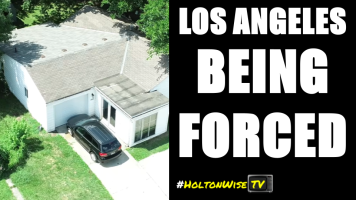
Los Angeles Landlords Are Being Forced to Subsidize Their Tenants
Los Angeles landlords still have mortgages, taxes, insurance, repairs, and every other expense that comes with owning rental property—even when a tenant stops paying rent. Nonpayment doesn’t eliminate the housing cost; it simply shifts that burden onto the property owner. If you’re investing in tenant-friendly markets, understanding eviction timelines, screening, reserves, and local landlord laws is critical before you buy.
Baltimore Section 8: Why I’d Rather Buy This Triplex Vacant
A vacant triplex might scare off some investors, but in a Baltimore Section 8 neighborhood, I actually see an advantage. Instead of inheriting somebody else’s tenants, payment problems, lease issues, or bad screening decisions, you get to start fresh and put the right tenants in from day one. In this video, I break down why vacancy can sometimes make a rental property more attractive—not less—when the numbers work and you have the right management system in place.

Great Cash Flow Won’t Scale Your Portfolio in Chicago
Great cash flow sounds good, but cash flow alone usually won’t build a massive real estate portfolio fast. In Chicago, even a strong rental can take years to generate enough profit to replace your original down payment. That’s why strategies like BRRRR and seller financing matter—they can help investors recycle capital, reduce how much cash gets trapped in each deal, and keep buying instead of waiting years between acquisitions.

This Pittsburgh Rental Has Something You Can’t Afford to Build Today
Some of the most valuable features in older rental properties are the ones that would be too expensive to recreate today. This Pittsburgh rental already has a finished third floor that turns one apartment into a massive two-level unit, giving tenants more space, a house-like feel, and potentially much higher rent. The key is that the space is already done and grandfathered in—so you may avoid the cost and complexity of trying to retrofit new living space under today’s building codes.
When the Economy Drops, Baltimore Section 8 Keeps Paying
When the economy slows down, traditional rental income can get shaky—but Section 8 can provide a more stable source of rent because a portion of the payment is backed by the government. In Baltimore, that can make Section 8 rentals attractive to investors looking for predictable cash flow, long-term demand, and a strategy that can hold up better during tougher economic conditions. If you want real numbers, real properties, and real-world investing strategy, hit subscribe.
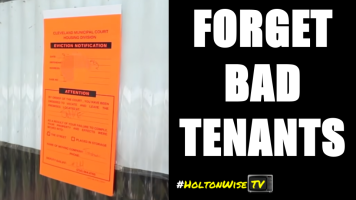
Forget Bad Tenants & Evictions: There’s a New Way to Invest in Real Estate
Forget bad tenants, unpaid rent, property damage, and evictions—there’s another way to invest in real estate. Rent To Retirement is helping investors buy brand-new construction rental properties with major incentives and short-term rental strategies that could potentially unlock significant tax savings. Instead of inheriting somebody else’s problems, you can start with a brand-new property and a completely different investment model.

San Francisco Investors: Cleveland Isn’t Ohio’s Most Landlord-Friendly City
San Francisco landlords deal with some of the most restrictive rental laws in America, where owning the property doesn’t always feel like you’re the one in control. Come to Ohio and the difference is night and day. Cleveland is already dramatically more landlord-friendly—but Cleveland isn’t even the easiest market in Northeast Ohio. Lorain can be even more favorable for rental property owners. If you’re investing from California, stop assuming every city plays by San Francisco rules.

What Brandon Turner Won’t Show You About Rental Investing
Brandon Turner and other real estate gurus love talking about cash flow, financial freedom, and building rental portfolios—but this is the part investors actually have to deal with when tenants stop paying. Evictions, turnover, court, and getting the property stabilized again are all part of the business. The key isn’t avoiding every problem—it’s having the right systems and team in place to handle them, replace the tenant, and get the cash flow moving again.

New York Investors: Stop Letting the Bank Decide What You Can Buy
New York investors don’t have to let traditional lenders dictate every deal. Seller financing can give you the flexibility to negotiate directly with the seller, structure terms that actually work for the property, and pursue opportunities that may never fit inside a bank’s lending box. If you’re serious about building a real estate portfolio, seller financing is one tool you need to understand.

The Moving Truck Test for Rental Properties in St. Louis
When you’re evaluating rental tenants in St. Louis, sometimes the little details tell you a lot. A tenant living with an air mattress and a milk crate can pack up and disappear fast when the rent changes, while someone with a house full of furniture, appliances, and belongings is much more rooted. The “moving truck test” is a simple way to think about tenant stability and how likely someone is to stick around long term.

Tenant Won’t Leave? Chicago’s Nastiest Eviction Trick
Tenant won’t pay rent and won’t leave? Some landlords have tried some absolutely insane tactics to force tenants out—including putting rotting fish into HVAC vents so the smell takes over the property. Don’t do it. That kind of self-help eviction tactic can be illegal and create a much bigger problem for the landlord. If you’re dealing with a bad tenant in Chicago, handle the eviction through the proper legal process instead of turning a rental dispute into an even more expensive mess.
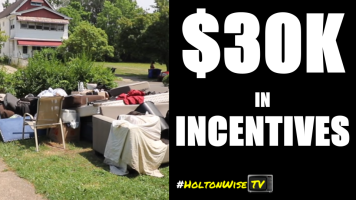
Evict Another Thief in Baltimore—or Get $30K+ in Incentives & Tax Benefits in Katy, Texas?
Evictions, unpaid rent, property damage, and tenant headaches are the ugly side of rental investing—and Baltimore investors know those problems can get expensive fast. Rent To Retirement offers another path with brand-new rental properties in markets like Katy, Texas, where investors may qualify for $30,000+ in incentives along with potential tax advantages through strategies like cost segregation. Instead of inheriting somebody else’s problems, you may be able to start with a brand-new property and more upside.
New York Rent Keeps Going Up. Here’s the Part Nobody Wants to Hear
New York rent keeps going up, and everybody wants to blame the landlord—but maintaining a quality rental property costs real money. Repairs, emergencies, taxes, insurance, labor, and professional management all have to be paid for somewhere. Good landlords provide a service, and if tenants want better housing and better service, the numbers still have to make sense. Raising rent isn’t automatically greed—it’s often just part of running a professional rental business.

Philadelphia’s Eviction Crisis Could Be Solved With One Simple Thing
Philadelphia’s eviction crisis gets talked about like it’s some impossible problem to solve, but there’s one part of the equation nobody wants to say out loud: rent has to get paid. Landlords have mortgages, taxes, insurance, repairs, utilities, and employees to pay too. If the rent stops coming in, eventually the eviction process starts. That’s not politics—it’s how the rental business works.

“Try to Buy My House & I Might Hunt You Down” — Real Estate Gets Wild
Real estate marketing isn’t always pretty. Sometimes you send a homeowner a simple letter asking if they’d consider selling—and you get a response like this. If you’re going to wholesale houses, invest off-market, or prospect for deals, you need thick skin because not every seller is going to politely say no.

A $230K Cleveland Rental for $7,500? That’s the Power of BRRRR
This Cleveland BRRRR deal shows exactly why investors love the strategy. Buy at $85,000, put roughly $95,000 into the renovation, and you’re all in around $180,000 on a property projected to be worth about $230,000 after repairs. Refinance at 75% of the ARV and you could pull out roughly $172,500, leaving only about $7,500 of your original cash in a rental bringing in around $2,200 per month. And when you’re renovating older Cleveland rentals, lead-safe compliance matters too—Pb Free Ohio can help investors navigate Ohio’s lead requirements and keep their properties compliant.
 Print
Print 