
HoltonWiseTV Highlights (63)

I Can Tell Whose Rent I’m Raising From a Mile Away
Some tenants are a whole lot more likely to absorb a rent increase than others. If somebody has built a life in the property, filled it with furniture, and would need a fleet of moving trucks to leave, that matters. Real estate is a people business, and understanding tenant behavior is part of managing rentals correctly. Whether you’re investing in Cleveland, Detroit, or Memphis—or coming from expensive markets like New York City, Los Angeles, or San Francisco—you can’t manage rentals strictly from a spreadsheet. The numbers matter, but so does knowing your tenant.

Phoenix Section 8: Your Tenants Are Going to Piss on That Carpet
Phoenix Section 8 landlords need to stop renovating rental properties like they are building their dream home. Carpet might look nice for five minutes, but once tenants, kids, pets, spills and urine hit it, you are staring at stains, odors and another expensive turnover. Vinyl plank or hardwood-style flooring is easier to clean, harder to destroy and built for the reality of Section 8 investing. The smartest rental renovations are not about making the property fancy—they are about making it durable enough to survive tenants and profitable enough to keep cash flowing.

St. Louis Section 8: Your Sanity Isn’t Guaranteed—but the Rent Is
St. Louis Section 8 can produce serious cash flow, but nobody should confuse government-backed rent with passive income. In this video, James Wise breaks down the ugly side of voucher investing: destructive tenants, filthy units, nonstop complaints, ridiculous excuses, expensive turnovers and management problems that can make every rent check feel like combat pay. The money can be real, but so is the chaos—and landlords who are soft, inexperienced or unwilling to enforce their lease will get eaten alive. Section 8 can make you rich, but in St. Louis, you may have to sacrifice your patience, your weekends and a piece of your sanity to collect it.

Miami Landlords: The More Crap They Own, the Longer They Stay
Miami landlords know tenants are never excited about a rent increase, but the decision usually comes down to one question: is paying more easier than moving? In this video, James Wise explains why tenants with a ton of belongings are often more likely to stay put, accept the increase and keep paying instead of dealing with the cost, stress and hassle of packing up their entire life and finding a new apartment. The harder it is for a tenant to move, the more leverage the landlord has to raise rent without creating unnecessary turnover, vacancy and lost cash flow.

San Jose Investors: This Moldy Disaster Might Be a Money Maker
San Jose investors searching for affordable out-of-state Section 8 opportunities need to understand that the ugliest properties can create the biggest discounts. This moldy disaster has been sitting on the market for months because most buyers are scared of the condition, overwhelmed by the potential repairs or unwilling to deal with professional mold remediation. That fear can create an opportunity for an experienced investor who completes the proper inspections, accurately estimates the renovation and buys the property at a price that leaves enough room for repairs, cash flow and profit. Mold should never be ignored, but a nasty-looking property with a solvable problem may be a much better investment than an overpriced turnkey rental where every buyer is competing for the same deal.

Birmingham Investors: Don’t Be the Schmuck Holding the Bag at $65K
Birmingham Section 8 properties can look irresistible when the purchase price is dirt cheap, but cheap does not automatically mean profitable. This building went from selling for almost nothing to being passed from investor to investor at higher prices without anything meaningful changing about the property, the neighborhood or its ability to generate dependable income. That is how the ghetto Section 8 daisy chain works: one buyer grabs it for $4,000, flips it for $10,000, the next person sells it for $27,000 and eventually somebody gets convinced it is worth $65,000. Rough neighborhoods can produce strong cash flow when you buy at the correct price, understand the tenant base and accurately budget for repairs, management, vacancy and resale limitations. But when the only investment strategy is finding another out-of-state schmuck willing to pay more, eventually somebody gets stuck holding the bag.
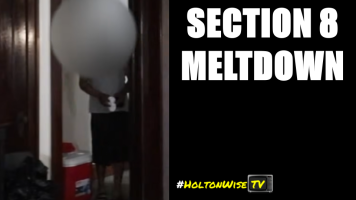
Columbus Section 8: The Inspection Turned Into a Full-Blown Meltdown
Columbus Section 8 inspections can go from routine to complete chaos in seconds. In this footage, a tenant erupts during the inspection while arguing about cracked walls, bathroom water issues and who is responsible for fixing the property. Section 8 landlords need to stay calm, document every complaint, photograph the condition of the unit and let the inspector determine which repairs are legitimate instead of getting dragged into a screaming match. The voucher program can produce dependable rent and strong cash flow, but owners still need professional property management, detailed records and clear communication when inspections turn into a full-blown meltdown.

Pittsburgh Investors: Buying Occupied Rentals is like Trusting the Cleveland Browns
Pittsburgh Section 8 investors need to understand that buying a tenant-occupied rental often means inheriting somebody else’s bad screening, weak lease enforcement and management mistakes. Most sellers are not professional landlords, and many of them either place low-quality tenants just to make the property look occupied before the sale or accidentally approve tenants who never should have passed screening. It is like trusting the Cleveland Browns to develop a quarterback—they probably are not sabotaging anybody on purpose, but the results are still a disaster because they are not very good at the job. A vacant Section 8 property gives you control. You can complete the necessary repairs, establish your own rental standards, screen applicants properly, verify income and background information, and place a qualified voucher tenant who fits your management system. For out-of-state investors, that control can be far more valuable than buying an occupied property with immediate rent but unknown tenant problems waiting underneath the surface.

Long Beach Investors: No Interior Photos Means the Realtor is an Idiot
Out-of-state investors already have enough working against them without lazy listing agents hiding the information they need to analyze a deal. When a property is tenant occupied, missing interior photos can be understandable because the tenants may not want agents constantly bothering them, entering the unit or disrupting their lives just to take pictures. But when the property is completely vacant and the listing only has one exterior photo, there is no legitimate excuse. Rehab investors are not scared of ugly interiors—we need to see the damage so we can estimate repairs, build a budget and decide whether the numbers make sense. If a vacant fixer-upper has no interior photos, it is usually because the Realtor is dumb and has no idea who the actual buyer is.

Jacksonville Investors: A $310K Rental Shouldn’t Have a Cleveland Kitchen
Jacksonville investors need to judge a property’s condition against the price they are actually paying. This kitchen might be perfectly acceptable inside a $65,000 Section 8 house in Cleveland, Ohio. However it does not cut the mustard inside a $310,000 house in Jacksonville, Florida. Finishes, renovation quality and overall property condition must match the purchase price, because paying premium money for budget-level work is one of the fastest ways to destroy your cash flow, equity and return on investment.
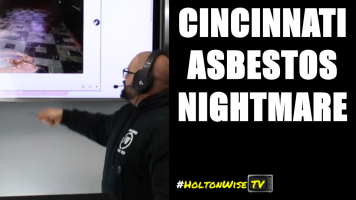
Cincinnati Section 8: That Cheap Floor Could Be an Asbestos Nightmare
Cincinnati Section 8 investors need to know what they are looking at before tearing into the floors of an older rental property. Suspected asbestos tile can completely change the renovation budget, especially when it is cracked, chipped or already breaking apart. Encapsulating the material beneath a properly installed new floor may be cheaper than full professional abatement, but investors should never blindly demolish suspected asbestos and spread dangerous dust throughout the property. In this video, James Wise explains why environmental hazards, old housing materials and hidden repair costs must be identified before buying a low-cost Section 8 rental, because a cheap property can quickly become an expensive mistake.

Washington, D.C. Investors: Squatters Create the Biggest Real Estate Discounts
Washington, D.C. investors are trained to fear squatters, but some of the best real estate opportunities are created by problems other buyers refuse to touch. A squatter-occupied property can be stressful, expensive and legally complicated, but when you understand the eviction process, calculate the real costs and buy at the correct discount, you can get compensated heavily for removing a nightmare from the seller’s plate. Successful investors do not run from every ugly situation—they determine whether they have the knowledge, team and numbers necessary to turn somebody else’s problem into cash flow and equity.

Oakland Investors: Leaving California Won’t Save You If You Buy the Wrong Hood
Oakland investors looking for better cash flow outside California need to understand exactly what they are buying before they wire money into an unfamiliar market. A property in a stable neighborhood and a property in the hood can both make money, but only when the purchase price reflects the real location, tenant risk, management difficulty and resale limitations. If somebody sells you a rough-neighborhood property at stable-neighborhood pricing, Section 8, a property manager and optimistic projections will not save the deal. Rent To Retirement helps out-of-state investors evaluate markets, neighborhoods and rental opportunities before they make an expensive mistake.

Milwaukee Section 8: This Cash-Flow Deal Only Takes $15K
Milwaukee investors looking for affordable passive income need to understand that Section 8 only works when the property, rent and neighborhood all make sense. In this video, James Wise helps Darren analyze a low-cost rental deal requiring only about $15,000, breaks down why Section 8 makes sense for one property but not another and explains how the current market and real numbers determine whether a deal will actually generate cash flow.

Newark Investors: Too Many Vacant Lots Means Get the Hell Out
When you are analyzing properties in rough neighborhoods, the surrounding blocks can tell you more than the house itself. Vacant lot after vacant lot is a warning that the area may be too unstable, too distressed and too management-intensive for the average out-of-state investor. This is the side of out-of-state Section 8 investing that Newark, New Jersey investors may not think about when they see cheap houses in places like Cleveland and Memphis: sometimes the projected cash flow looks incredible because the neighborhood risk is off the charts. Know what you are buying before you bite off more than you can chew.
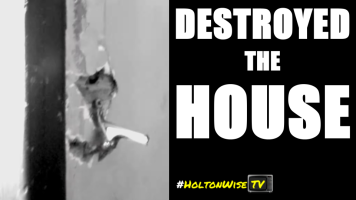
Detroit Section 8: The Tenant Destroyed the House and Still Owes $400 More
This property should be bringing in another $400 a month, but before you start celebrating the upside, look at what the tenant left behind: holes punched in the walls and a staircase that looks like it got the holy hell beaten out of it. This is the reality of Section 8 investing in markets like Detroit—higher rents can create serious cash flow, but tenant damage, deferred maintenance and turnover costs can destroy your returns when the property is not managed correctly.

Baltimore Section 8: We Found a Junkie Squatter Living in the Basement
Our guys entered the basement of this apartment building to confront a squatter who had been secretly living down there and using the property as her personal drug den. This is the side of Section 8 investing in markets like Baltimore that the gurus leave out: trespassers, dangerous confrontations, property damage and problems that cannot be handled from behind a laptop. Out-of-state landlords need experienced boots on the ground who are willing to show up when things get ugly.

San Diego: My Truck Cost More Than This Rental House
I actually lived in this house before turning it into a rental property. At the time, I was managing a RadioShack, and today the truck I’m driving is worth more than what I originally paid for the entire house. San Diego investors surrounded by million-dollar home prices need to understand how dramatically your life can change when you buy affordable real estate, live below your means, convert your former home into a rental and let cash flow and appreciation build your wealth over time.

Sacramento: This House Took Me From $0 to $200 Million in Real Estate
This house represents where my real estate journey started. At 21 years old, I had a net worth of zero and was managing a RadioShack. That first affordable property helped put me on the path to completing more than $200 million in real estate transactions. Sacramento investors do not need to begin with a massive portfolio or an expensive California property—they need to find an affordable deal, get started and allow time, cash flow and experience to compound.

Philadelphia Section 8: The Seller Has Been Desperate for 210 Days
Philadelphia Section 8 investors looking for discounted out-of-state rental properties need to learn how to spot seller desperation before making an offer. This vacant renovation project has been sitting on the market for 210 days, producing no rent while the owner continues paying taxes, insurance, utilities and maintenance. Unlike an occupied property generating monthly income, this house is nothing but a liability and a target for vandalism, theft and further damage. The longer it sits empty, the more negotiating leverage the buyer gains—and after 210 days, it may finally be time to hit the seller with a serious lowball offer.

Indianapolis Section 8: Four Rent Checks, One Residential Loan
Indianapolis Section 8 investors looking to maximize cash flow with residential financing should understand why four-unit properties can be the sweet spot. A single-family gives you one rent check, a duplex gives you two and a triplex gives you three—but a fourplex can deliver four separate income streams while still fitting inside the residential lending world. Once you move into five units, the property is typically treated as commercial real estate, which can mean different loan terms, underwriting standards and financing challenges. For investors building an affordable out-of-state rental portfolio, four rent checks backed by one long-term residential loan can be a powerful combination.

San Francisco Investors: This Eviction Needed a Shovel, Not a Broom
San Francisco investors chasing affordable out-of-state cash flow need to understand what eviction day can actually look like in lower-cost Section 8 markets. This apartment had dust and filth built up so thick that wiping it down was not going to cut it—the cleanup looked like it needed a shovel instead of a broom. On HoltonWiseTV, we show the ugly side of out-of-state rental property investing and why local property management, strong inspections, proper tenant screening and boots on the ground matter just as much as the projected ROI. Cheap properties can produce serious cash flow, but only when investors are prepared for the real-world tenant problems that come with owning rentals from hundreds or thousands of miles away.

New York Investors: Banks Won’t Touch This Section 8 Apartment
New York investors looking for out-of-state Section 8 cash flow often run into a problem that has nothing to do with the property’s income potential: traditional banks do not want to finance old, C-grade, mixed-use buildings—especially when the buyer lives hundreds of miles away. This 100-year-old Cleveland property does not fit neatly into a conventional lender’s box, which dramatically shrinks the buyer pool and creates leverage for investors willing to negotiate directly with the seller. When banks refuse to touch the deal, seller financing may be the exact tool that turns an undesirable property into a profitable opportunity.

Boston Section 8: The More Crap They Own, the Longer They Stay
Boston Section 8 investors need to understand that tenant stability does not always look clean, minimal or Instagram-ready. In this video, James Wise explains why a unit packed with furniture, decorations, religious posters, rugs, shelves and random knickknacks can actually be a positive sign for a landlord. A tenant with an air mattress and a milk crate can disappear overnight, but somebody who needs a full-size moving truck to haul out years of accumulated stuff is usually far more likely to stay put, renew the lease and treat the property like home. In the Section 8 business, clutter is not always the problem—turnover is.

New York Investors: Banks Hate This Section 8 Deal — That’s Why I Like It
New York investors know what it feels like when banks, appraisers and government red tape kill deals before they ever get to the closing table. In this video, James Wise breaks down a Section 8 rental opportunity where the seller claims four units, seven beds and four baths, but the county auditor only shows two units, five beds and three baths. That mismatch makes the property non-conforming, shrinks the buyer pool, creates conventional financing problems and helps explain why the deal has been sitting on the market. Most buyers run from that kind of mess, but experienced investors understand this is exactly where seller financing opportunities are created. When the bank hates the deal, the seller may have to get creative, and that is how smart investors can structure deals traditional buyers cannot touch.
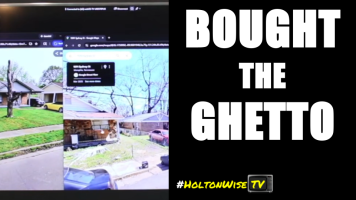
Memphis Section 8: Paid for Stability, Bought the Ghetto
Memphis Section 8 investing can make you money, but only if you understand what neighborhood you are actually buying in and price the deal accordingly. In this video, James Wise breaks down one of the biggest mistakes out-of-state investors make: paying stable-neighborhood prices for a property that comes with hood-level risk, tenant issues, management headaches and resale limitations. You can make money in rougher Section 8 markets when you buy right, but if you overpay because somebody sold you a fantasy, no property manager, no Section 8 voucher and no amount of optimism is going to save your ROI. If you want turnkey out-of-state rental options without blindly walking into the wrong market at the wrong price, check out Rent To Retirement. Rent To Retirement specializes in helping investors buy turnkey rental properties in landlord-friendly markets across the country, giving out-of-state buyers a cleaner path to cash flow without trying to guess the right neighborhood from behind a computer screen.

Kansas City Section 8: This House Smelled Like Pain
Real boots on the ground. A house that smells terrible, has holes in the walls, and looks like it got beat to death does not happen overnight — it happens when nobody is checking the property, nobody is managing the tenant, and nobody is protecting the asset. If you want to invest in Kansas City Section 8 rentals, you need local people who can inspect, document, repair, and stay on top of problems before your cash-flowing rental turns into a disgusting money pit.

Cleveland Section 8: Portland Investors Are Not Built for This
Portland investors love the idea of buying cheap Cleveland Section 8 rentals, collecting big cash flow, and escaping the overpriced West Coast market — but Cleveland is not Portland. The numbers only work if you actually understand landlord operations, inspections, repairs, Section 8 rules, and boots-on-the-ground property management. If you come into Cleveland with soft landlord energy, cheap contractors, bad tenant screening, and no real local team, this market will eat you alive. Portland investors can make money in Cleveland Section 8, but only if they stop acting like cash flow is automatic.

Los Angeles Section 8: Fire Your Realtor If They Can’t Use the MLS
Los Angeles investors love the idea of going out of state to find cheaper houses, stronger cash flow, and better Section 8 rental numbers — but then they make one of the dumbest mistakes possible: they hire the cheapest realtor they can find and expect them to understand investment property analysis. If your realtor can’t properly use the MLS, pull comps, estimate rent potential, analyze Section 8 numbers, or separate a real deal from a money pit, they are not helping you build a portfolio — they are wasting your time and costing you money. California investors need investor-focused agents who understand cash flow in markets like Cleveland, Detroit, Milwaukee, and Indianapolis — not random house unlockers chasing the easiest commission.

Chicago Section 8: Yeezys Optional, Cash Flow Required
Chicago Section 8 investors don’t need Yeezys, hype, or celebrity drama — they need rental numbers that actually work. On HoltonWiseTV, James Wise breaks down why serious investors care less about Kanye being crazy and more about cash flow, ROI, tenant stability, and finding Section 8 rental properties where the math makes sense. If you’re a Chicago investor tired of expensive properties, weak returns, and landlord-unfriendly nonsense, it might be time to look at markets where your money works harder.

Cleveland Lead Cert Rules Change Every 10 Minutes
Cleveland lead certification is exactly what happens when City Hall gets involved in your rental property business: endless red tape, constant rule changes, confusing requirements and bureaucrats making life harder for the landlords who are actually providing housing. In this video, James Wise breaks down why Cleveland landlords cannot afford to play games with lead certification, why the rules feel like they change every 10 minutes, and why trying to keep up with City Hall’s nonsense by yourself is a losing battle. That’s why having Pb Free Ohio in your corner matters. They handle the lead certification process, stay on top of the updates, deal with the city and help landlords stay compliant while Cleveland City Hall keeps finding new ways to make owning rentals more painful than it needs to be.

Philly Section 8: This Market Will Eat Soft Landlords Alive
Philly Section 8 investing is not for soft landlords. The cash flow can be real, the rents can look strong and the opportunity can be there, but Philadelphia is the kind of market where you better understand tenant screening, property management, repairs, evictions and neighborhood risk before you start buying rental properties from out of state. On HoltonWiseTV we break down why Philly Section 8 can be a savage market for investors who are not prepared, and why the landlords who know how to operate in tough, cash-flowing markets are the ones who survive.

California Protects Tenants by Destroying Landlords — Texas Does It Better
California loves to act like it is protecting tenants, but in reality, it often makes life miserable for landlords and pushes investors out of the market. Texas does it better. No state income tax, warmer weather, more landlord-friendly laws and a rental environment where tenants can keep more of their money without the government making your job harder. In this video, James Wise breaks down why real estate investors should stop chasing cash flow in anti-landlord states like California, New York and New Jersey, and start working with the pro's at Rent To Retirement to find better properties in investor-friendly markets like Texas.
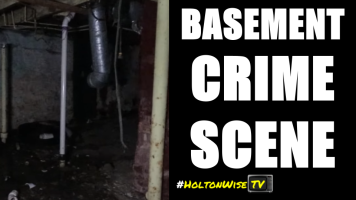
Pittsburgh Section 8: This Basement Looked Like a Crime Scene
Pittsburgh Section 8 investing is not for soft landlords. In this quick clip, we walk through a basement that looked more like a crime scene than a rental property. Furnace and hot water tank stolen while part of the foundation was sitting on the ground. This is the reality of chasing cash flow in rougher Section 8 markets: the numbers can look great, but you better know how to inspect the ugly stuff before it turns into a nightmare renovation.

Los Angeles: From RadioShack Manager to Multi-Million Dollar Landlord
Los Angeles investors are stuck in one of the most expensive real estate markets in the country, where massive down payments, low cash flow and tenant-friendly laws make it extremely hard to scale a rental portfolio. In this video, James Wise breaks down how he went from managing a RadioShack at 21 years old to building a multi-million dollar real estate portfolio by leaving the expensive-market mindset behind and using strategies like seller financing, BRRRR deals and cheaper landlord-friendly Section 8 markets like Cleveland, Akron, Dayton, Cincinnati, Pittsburgh and Detroit. If you are trying to build wealth without already being wealthy, stop trying to force cash flow in Los Angeles and start looking at markets where Section 8 rents, lower prices and better returns actually give investors a chance to scale.
Southern California: Where “Landlord” Is Worse Than “Murderer”
Southern California has become so hostile to rental property owners that being called a landlord might be the worst label in the room. On HoltonWiseTV we break down why so many Southern California investors are sick of tenant-friendly laws, endless regulations, rent control pressure and anti-landlord culture — and why smart investors are looking at landlord-friendly Section 8 markets like Cleveland, Akron, Dayton, Cincinnati, Pittsburgh and Detroit where the numbers actually make sense.

Cincinnati Section 8: Don’t Show Up Soft
Cincinnati Section 8 rentals can produce serious cash flow, but these are not neighborhoods where soft investors should blindly chase cheap houses from behind a laptop. If you are going to buy in rough Cincinnati streets, you better show up strapped with street smarts, local knowledge and a real team that knows how to protect the asset, screen tenants and manage the chaos that comes with high-risk, high-ROI rental property investing.

Columbus: From Bar-Hopping Kid to $200M in Real Estate
Columbus real estate investors need to understand how much life can change when you start buying property young, stay in the game and let real estate compound over time. James Wise went from being a 21-year-old kid who liked owning a cool house near the bars to building a multi-million dollar real estate business, completing over $200 million in real estate transactions and running a $75 million rental property portfolio. If you are in Columbus, Cleveland, Indianapolis, Milwaukee, Dayton, Detroit or any other cash flow market and you want to build real wealth instead of just talking about it, subscribe to HoltonWiseTV and learn how rental properties, Section 8 investing and long-term ownership can change your entire life.

New York: Tenants Want Help While Spitting in Your Face
New York landlords are tired of being treated like villains while tenants, politicians and activist courts expect them to provide housing, absorb losses, tolerate nonpayment and still apologize for enforcing the lease with an eviction notice. This is why so many New York real estate investors start looking outside New York and move their money into more landlord-friendly cash flow markets like Cleveland, Indianapolis, Milwaukee, Dayton, Detroit and other Midwest Section 8 rental markets where landlords can actually protect their property, enforce contracts, complete evictions when necessary and build long-term wealth without being treated like the bad guy for stopping theft.
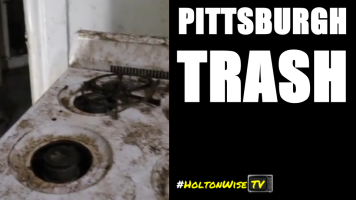
Pittsburgh: Most Buyers See Trash, I See Profit
Most Pittsburgh real estate investors run away from ugly houses, rough rentals, bad photos, deferred maintenance and chaotic-looking deals. James Wise sees opportunity. The uglier the property looks, the less competition there usually is, and less competition can mean bigger spreads, better BRRRR potential, stronger Section 8 cash flow and larger paydays for investors who know how to handle the chaos. Subscribe to HoltonWiseTV if you want to learn how real investors turn ugly houses in landlord-friendly cash flow markets like Pittsburgh, Cleveland, Akron, Dayton and Detroit into profitable rental properties.

Dayton Section 8: They Were Running Prostitutes Out of This House
Subscribe to HoltonWiseTV if you want to know what happens when Section 8 tenants start running a prostitution ring out of their landlord's house in Dayton, Ohio.

New York City: Airbnb Cash Flow Can Disappear With One Vote
New York City is the perfect warning sign for short-term rental investors: Airbnb cash flow can look incredible on paper until politics, regulations, taxes, registration rules, and city council decisions change the entire game overnight. In this video, James Wise breaks down why short-term rentals are not the same as traditional rentals, why investors need to underwrite political risk before buying, and why markets that are friendly today can become hostile tomorrow. If you are investing in Airbnb, VRBO, or any short-term rental model, you need to understand that the rules of the game can change fast, and your due diligence needs to account for that before you bet your money on nightly rental income.
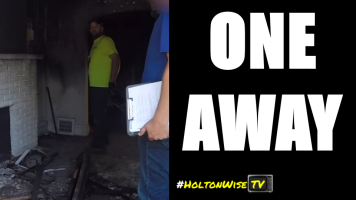
Kansas City Section 8: One Xbox Controller Away From a Burned-Down House
Kansas City Section 8 landlords already deal with enough headaches, but fire safety is one of those things you cannot ignore. If your tenants keep pulling batteries out of the smoke detectors for remotes, toys, Xbox controllers or whatever else, that small problem can turn into a burned-down rental property real fast. In markets like Kansas City, Cleveland, Pittsburgh and Detroit, successful Section 8 investing is not just about collecting guaranteed rent. It is about inspections, maintenance, tenant management and staying ahead of the dumb stuff that can cost you everything.

Pittsburgh Section 8: You Don’t Fear Nail Holes, You Fear Fist Holes
Pittsburgh Section 8 landlords need to stop worrying about the wrong damage. A few nail holes from tenants hanging pictures, shelves and knick-knacks is not the problem. The real problem is turnover, fist holes, trashed units and tenants who treat the property like a temporary crash pad. In this video, James Wise breaks down why signs that a tenant is making the place feel like home can actually be a green flag for Section 8 landlords, especially in strong cash-flow markets like Pittsburgh, Akron, Detroit and Cleveland where long-term tenant stability is what protects your ROI.

Pittsburgh Section 8: The Down Payment Shock Nobody Explains
Pittsburgh Section 8 rentals can look cheap on paper, but new investors get shocked when they find out rental property financing does not work like buying your personal home. In this video, James Wise breaks down why non-owner occupied investment properties usually require much bigger down payments, why that $100,000 Section 8 rental may need closer to $25,000 down instead of the 3% to 5% first-time homebuyer money people are used to, and why understanding the financing rules upfront is critical before chasing cash flow in landlord-friendly Section 8 markets like Pittsburgh, Chicago, Cleveland and Detroit.
East Cleveland: Vacant is Better than Evicting Bad Tenants
In East Cleveland, buying a vacant rental can actually be a major advantage because you are not inheriting some unknown landlord’s tenant problem. During this video, James Wise breaks down why troubled tenants are one of the biggest risks for investors in tough rental markets, why bad screening can destroy your cash flow, and why placing your own properly screened Section 8 tenant can be the smarter move for long-term rent collection, fewer headaches, and a cleaner investment strategy.

LA Investors Want Cash Flow… Until They Meet Tenants From Hell
Los Angeles investors love looking at Midwest cash flow on a spreadsheet, but the reality of low-income rental housing hits a lot harder when you’re actually dealing with the tenants. Everybody wants the big Section 8 rent, the cheap purchase price, and the high ROI, but not everybody can stomach the evictions, damages, excuses, chaos, and tenants from hell that come with the business. This is why having the right boots-on-the-ground team matters in markets like Cleveland, Detroit, Pittsburgh, Chicago, and Milwaukee. The numbers can be beautiful, but if you can’t handle the people living in the property, this business will chew you up.

Pittsburgh Tenants Want 24-Hour Maintenance? Tip Your Landlord
Pittsburgh tenants want 24-hour maintenance, upgrades, flexibility, fast responses, and VIP treatment… but nobody wants to pay VIP prices. Landlords are expected to be plumbers, counselors, lenders, social workers, and emergency responders while tenants act like rent is the only cost that matters. If renters want premium service, premium service should come with premium compensation. Restaurants have tip lines, rideshare apps have tip lines, coffee shops have tip lines — so maybe it’s time leases had a 15% landlord gratuity line too. Tip your landlord.
Landlording Isn’t a Real Job? Try Section 8 in Akron, Ohio
Everybody loves to act like landlording is just sitting around collecting checks, but try being a Section 8 landlord in Akron, Ohio and see how fast that fantasy disappears. In lower-income neighborhoods, landlords deal with crime, evictions, turnovers, damaged properties, inspections, repairs, non-paying tenants, and all the chaos that comes with providing housing where most people are too scared or too soft to invest. This is why having a real boots-on-the-ground team matters. Section 8 investing in markets like Akron as well as Cleveland, Canton, Youngstown, Toledo, Detroit, Milwaukee, Chicago, Pittsburgh, and Baltimore can produce strong cash flow, but it is not passive income for people who don’t know what they’re doing. Landlording is absolutely a real job, and landlords earn every dollar.

Los Angeles: This Is Why Some Tenants Will Overpay for Housing
Los Angeles investors are used to insane rents and tenant-friendly rules, but when you start buying cheaper Section 8 and cash-flow rentals in markets like Cleveland, Akron, Canton, Youngstown, Toledo, Detroit, Milwaukee, Chicago, Pittsburgh, and Baltimore, you need to understand why some tenants are willing to overpay for housing. Sometimes the tenants offering the most money are the ones with bad files, past evictions, criminal history, weak job history, or a long list of landlords who already told them no. That doesn’t mean you should chase underqualified tenants just because they’ll pay a premium. In my markets, the money is made by understanding the risk, screening legally and consistently, pricing the property correctly, and not getting blinded by rent numbers that look good on paper but can turn into evictions, turnovers, and headaches fast.
 Print
Print 