
HoltonWiseTV Highlights (66)

Why I’d Buy a Fourplex Before a 5-Unit Building in New York
A fourplex is the biggest residential property you can buy while still qualifying for traditional 1–4 unit residential financing. Once you jump to five units, you’re generally stepping into the commercial lending world with different terms, amortization schedules, and balloon payments. For New York investors looking to build a rental portfolio, understanding that financing cutoff can make a huge difference in how you structure your next acquisition.

Another Deadbeat Eviction in Detroit—or Massive Tax Benefits in Von Ormy, Texas?
Another deadbeat eviction in Detroit is a reminder of the ugly side of owning older low-income rentals—nonpayment, damage, court, turnover, and constant headaches. Rent To Retirement is offering investors a different path with brand-new rental homes in Von Ormy, Texas, including up to $30,000+ in incentives and the potential for significant tax benefits through short-term rental and cost segregation strategies. Instead of inheriting somebody else’s problems, you could start with new construction, potential cash flow, incentives, and potential tax savings.

If Evictions Are Wrong in New York, Should Groceries Be Free Too?
Whenever there’s an eviction in New York, the landlord instantly gets painted as the villain because “housing is a human right.” But food is a basic human need too—and nobody argues that means you can walk into Walmart, take whatever you want, and refuse to pay. Housing being essential doesn’t mean landlords should be forced to provide it for free. Eviction is what happens when the agreement stops being honored.

Atlanta Wholesalers: Stop Buying the $50K Assignment Dream
Wholesaling gurus love showing off the giant $50,000 assignment checks because that’s what sells courses and gets attention. But real wholesaling in Atlanta usually isn’t about hitting one massive home run—it’s about finding real deals, making smaller spreads, and doing enough volume to build a profitable business. In this video, we break down what wholesaling actually looks like in the real world and why consistency beats chasing the fantasy.
St. Louis Evictions: There Were Plenty of Warnings Before This
Evictions don’t happen overnight. By the time the sheriff shows up, there have usually been notices, court filings, hearings, and multiple opportunities for the tenant to either pay what they owe or move out. For St. Louis landlords, this is the ugly reality behind rental property investing: the eviction itself is usually just the final step in a problem that has been building for months.

$30,000+ in Incentives & Tax Breaks—or Evict Another Deadbeat Tenant?
Evictions, bad tenants, unpaid rent, and inherited property problems are all part of the ugly side of rental investing. Rent To Retirement is giving investors another option with brand-new rental properties, potentially $30,000+ in incentives, and short-term rental strategies that may also create significant first-year tax advantages through cost segregation. Instead of buying somebody else’s beat-up rental and inheriting their headaches, you can start with a brand-new property and some potentially powerful financial benefits.

Dayton Section 8: You Get the Cash Flow. We Handle The Cost
Dayton Section 8 can produce strong monthly cash flow, but that money doesn’t come without work. Evictions, turnovers, tenant problems, repairs, and all the other headaches are part of owning rentals in cash-flow markets. That’s why having the right team matters. We handle the tenants, property management issues, and ugly parts of the business so investors can stay focused on Section 8 income, cash flow, and building long-term wealth.

What Walmart Can Tell You About a Columbus Neighborhood
Walmart isn’t just a place to buy groceries—it can be a major anchor that helps drive traffic, attract surrounding businesses, and stabilize commercial activity in an area. When I’m analyzing a Columbus neighborhood for real estate investment, I’m paying attention to the major retailers, restaurants, and other businesses already putting money into that location because those anchors can tell you a lot about the strength and direction of the surrounding market.
Deadbeat Tenant Evictions—or a Tax Break on a Brand-New Rental?
Deadbeat tenants, unpaid rent, property damage, and evictions are the ugly side of rental investing that nobody likes dealing with. Rent To Retirement offers a different approach. Rent To Retirement’s new short-term rental program, where investors can purchase brand-new construction, potentially receive $30,000+ in incentives, and take advantage of powerful tax strategies like cost segregation. Rent To Retirement also helps investors get the property launched as a short-term rental, giving you a path toward potential cash flow, tax savings, and a brand-new property instead of inheriting someone else’s rental problems.

Pickle Juice: The Section 8 Problem Nobody Talks About
Pickle juice might sound like a joke, but it can become a real maintenance problem when it stains white quartz countertops. In this video, James Wise uses one of the stranger lessons from rental property ownership to explain why Section 8 investors need to think carefully about the finishes they install. Expensive materials don’t always make sense in rentals—durability, ease of maintenance, and replacement cost matter a whole lot more when you’re trying to protect your cash flow.

Cincinnati Section 8: Either the Government Pays—or Nobody Does
In Cincinnati’s lower-income rental neighborhoods, collecting rent consistently can be the difference between a profitable investment and a complete disaster. In this video, James Wise explains why he prefers Section 8 tenants in higher-risk areas, where relying on cash-paying tenants can expose landlords to missed rent, evictions, vacancy, and property damage. With Section 8, a large portion of the rent is backed by the housing authority, helping investors create more predictable cash flow in neighborhoods where tenant risk is higher.
You’ve Been Stealing Rent for Months—Who’s Really Taking Advantage of Who in Chicago?
A tenant can live in a property for months without paying rent, but somehow the landlord is still the one getting called greedy. In this video, James Wise breaks down the other side of the landlord-tenant argument and explains why expecting someone to honor the lease they signed isn’t exploitation. For Chicago real estate investors, missed rent, long eviction timelines, and bad tenant placement can destroy an otherwise profitable rental—which is exactly why screening, management, and programs like Section 8 matter so much.

This is what Philadelphia Taxpayers Pay For with Section 8
Section 8 is funded by taxpayers, and that means the program only works when landlords, tenants, and housing authorities all hold up their end of the deal. In Philadelphia, landlords can still face unpaid tenant portions, property damage, evictions, and other costs even when part of the rent is subsidized. In this video, James Wise talks about the frustration that comes with seeing taxpayer-funded housing abused and why Section 8 investors still need strong screening, clear expectations, and disciplined property management.
Rochester Real Estate Isn’t Easy Money—Ask Any Landlord
Rochester real estate can look like easy money from the outside, especially when investors see affordable properties and attractive rent-to-price ratios. But owning rentals is anything but passive when you’re dealing with maintenance, turnovers, nonpayment, evictions, property damage, contractors, and all the other problems that come with being a landlord. James Wise has made millions in real estate, and the lesson is simple: there’s serious money to be made in markets like Rochester, but you need to understand the work and risk that come with the returns.

HGTV Won’t Show You What Investing in Gary Really Looks Like
HGTV makes real estate investing look like paint colors, countertops, and before-and-after photos. Investing in Gary, Indiana can look very different. Evictions, property damage, broken doors, trash, and difficult tenants are all part of the risk investors need to understand before chasing cheap houses and high projected returns. That’s also why Section 8 can be such an important strategy in lower-income markets like Gary—government-assisted rent can reduce collection risk, but landlords still need strong tenant screening, solid management, and realistic expectations about what owning these properties actually involves.

Section 8 Isn’t Guaranteed Money—Especially in Jersey City
Section 8 can dramatically reduce collection risk, but it does not mean every dollar of rent is automatically guaranteed. In Jersey City, the tenant may still be responsible for a portion of the rent, and if they fail to pay it, landlords can still end up dealing with nonpayment and eviction. The key is screening Section 8 applicants just as carefully as any other tenant—review payment history, prior landlords, and how they treated previous properties. The voucher creates structure, but the tenant’s behavior still determines whether you have a good rental experience.
San Diego Landlords: Your Tenant Is Not Your Financial Responsibility
San Diego landlords need to remember that owning rental property is a business, not a charity. If a tenant stops paying rent, the landlord still has a mortgage, taxes, insurance, maintenance, and every other expense tied to the property. In expensive, tenant-friendly markets like San Diego, those risks can make it extremely difficult to generate strong cash flow, which is why many investors look to more affordable markets like Cleveland, Akron, Dayton, Toledo, and Kansas City where the numbers can make a lot more sense.

Section 8 to Great: Which Cleveland Neighborhoods Will Turn Around?
Some Cleveland neighborhoods are Section 8 cash flow plays today—but that doesn’t mean they’ll stay that way forever. In this video, James Wise breaks down areas like Clark-Fulton and explains why major investment, proximity to neighborhoods like Ohio City, Tremont, and Gordon Square, and continued redevelopment could eventually change the tenant base, property values, and overall character of these communities. The goal is to buy where the cash flow works today while keeping an eye on which Cleveland neighborhoods might have the most upside tomorrow.
The Real Reason Rents Keep Rising in New York
Rents keep climbing in New York, and landlords taking more money isn’t the whole story. Unpaid rent, property damage, lengthy evictions, rising operating costs, and increasingly landlord-unfriendly rules all get priced into the cost of owning rental property. Even when landlords raise rents, actually making money in New York can still be brutally difficult when problem tenants stop paying, trash units, and leave owners eating months of losses. Those costs don’t disappear—they eventually get passed along through higher rents, stricter screening, and fewer landlords willing to stay in the market.

The Hidden Rental Market You’ve Never Heard Of: Rosharon, Texas
Rosharon, Texas might not be the first market investors think of, but that’s exactly why it’s worth a closer look. Texas continues to attract new residents thanks to population growth, a warm climate, strong job markets, and no state income tax, creating long-term opportunities for rental property investors. In this video, James Wise explains why smaller Texas markets like Rosharon and Burleson can deserve attention alongside more familiar investment areas like San Antonio —and why getting into growing markets before everyone else discovers them can pay off over the long haul.
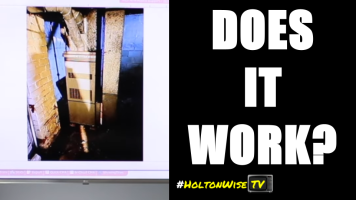
The Rehab is $40K—Does this Ohio BRRRR still Work?
We’re breaking down an Ohio Section 8 BRRRR that looks rough today, but the real question is whether the numbers still work after putting roughly $40,000 into the rehab. From dry locking the basement to getting the entire property Section 8 rent ready, this is the kind of deal where investors need to understand the full cost before getting excited about the purchase price. Whether you’re investing in Cleveland, Akron, Columbus, Cincinnati, Dayton, Toledo, or Youngstown, the BRRRR strategy only works when the acquisition, renovation, rent, refinance, and long-term cash flow all make sense together.
San Francisco Investors: The Bank Buys It. Your Tenant Pays It Off
San Francisco investors know how expensive it can be to buy real estate locally, but one of the biggest advantages of rental property investing is that you don’t have to fund the entire purchase yourself. The bank can provide most of the money through long-term financing, while your tenant’s monthly rent helps pay down that debt over time. That combination of leverage, cash flow, loan paydown, and long-term ownership is what makes rental real estate such a powerful wealth-building vehicle. Instead of tying up all of your capital in one expensive market, investors can use financing to acquire cash-flowing properties in more affordable markets and let their tenants help build the equity for them.

339 Days on Market? Something Is Wrong With This Deal
When an investment property has been sitting on the market for 339 days, you need to figure out what the market is trying to tell you. Sellers almost always believe their property is worth more than buyers are actually willing to pay, and a long listing history can be one of the clearest signs that the price, condition, tenants, or overall deal structure just isn’t adding up. In this video, I explain why days on market matter when evaluating rental properties and how investors should separate a seller’s expectations from the actual numbers. Whether you’re buying Section 8 rentals in Cleveland, Dayton, Kansas City, Baltimore, or another cash-flow market, the goal is the same: buy at a price that makes sense based on realistic rents, expenses, and risk—not somebody else’s opinion of what the property should be worth.

Cleveland Investors: The Problem Isn’t the Numbers, It’s the Location
The numbers on a rental can look great, but that doesn’t automatically make it the best investment. With this Cleveland property, my concern isn’t necessarily the cash flow—it’s the location. For shorter-term investment strategies, I’d rather be closer to downtown Cleveland, University Hospitals, and other major employment and demand drivers where you may have stronger appreciation, resale, and tenant demand. The lesson is simple: don’t get so focused on the spreadsheet that you ignore where the property actually sits.

We’ve Got Investors From Korea—The Good One
Real estate investors aren’t just coming from California, New York, and other expensive U.S. markets anymore—we’re working with investors from around the world who see the opportunity in affordable American cash flow. Markets like Cleveland, Akron, Toledo, Detroit, Buffalo, and other Midwest Section 8 markets can offer lower acquisition prices, strong rental demand, and government-backed rent when the deal is structured correctly.

St. Louis Section 8: Make Your House Appeal to Everybody
When you’re renovating a St. Louis Section 8 rental, the goal isn’t to build the house around your personal taste—it’s to make it appealing to as many qualified tenants as possible. James Wise breaks down why simple finishes like hardwood floors, white trim, neutral gray paint, and a clean, functional kitchen can help you attract a wider tenant pool without wasting money on unnecessary upgrades. In Section 8 investing, durable, neutral, and broadly appealing usually beats flashy.
Everyone Passed on This Section 8 Rental—Here’s What They Missed
Everyone passed on this Section 8 rental because the current numbers look terrible—but that’s exactly where experienced investors can find opportunity. The property is occupied, the tenants are dramatically under market rent, and the seller has spent nearly a year watching buyers walk away while cutting the price. In markets like Cleveland, Cincinnati, Detroit, Indianapolis, and St. Louis, understanding Section 8 payment standards, true market rents, inherited tenants, and neighborhood-level cash flow can completely change how you value a deal. Sometimes the property isn’t the problem—the landlord’s execution is.

I Got Attacked Trying to Evict This 300-Pound Guy
Evictions can turn dangerous fast. In this video, I break down one of the craziest situations I’ve dealt with as a landlord—showing up to a property we had just acquired, explaining to the occupant that we were the new owners, and realizing very quickly that this guy was not happy about it. This is the kind of real-world risk investors need to understand when buying rental properties, especially in lower-income Section 8 markets like Cleveland, Akron, Toledo, Dayton, and Cincinnati. The cash flow can be incredible, but you need the right acquisition strategy, property management, tenant screening, and eviction process in place.

They Spent $40K Renovating This Cleveland Rental—Why?
They spent more than $40,000 renovating this Cleveland-area rental, and the finished product looks great—but did they actually improve the investment? This Garfield Heights property got quartz countertops, an undermount sink, subway tile, upgraded hardware, and finishes that look more like an owner-occupied renovation than a rental. When you're investing for cash flow, especially in working-class Cleveland neighborhoods, spending more money doesn't automatically mean making more money. The goal is to renovate to the level your tenant base and rents actually support.

Landlords in Gary Deserve Tips Too
Everybody tips servers, bartenders, delivery drivers, and practically anyone else who deals with a headache—so why not your landlord? Gary landlords deal with late rent, repairs, evictions, turnovers, damaged units, and tenant drama while still being expected to keep everything running. If your landlord is handling all that chaos and keeping a roof over your head, maybe they deserve a little gratuity too.
Columbus Cash Flow Comes With a Price
You want cash flow, but cash flow comes with a price. Evictions, turnovers, tenant problems, and unexpected headaches are all part of owning rental property—especially when you’re chasing stronger returns. The good news is you don’t have to personally deal with all of it. With the right property management team handling the tenants, evictions, and day-to-day chaos, you can stay focused on the bigger picture: consistent rental income, Section 8 cash flow, and building long-term wealth through Columbus real estate.

Look Behind the Drywall if you're Buying Ohio Rentals From San Jose
San Jose investors looking for better cash flow outside California need to understand that buying cheap Ohio real estate is only half the battle—you still have to know what you’re actually buying. In this video, James Wise breaks down why something as simple as damaged drywall could point to a much bigger issue like an old roof leak, hidden water damage, or deferred maintenance. Whether you’re investing in Cleveland, Columbus, Cincinnati, Dayton, Youngstown, or Toledo, having experienced boots on the ground to inspect the property, identify problems, estimate repairs, and protect your investment can make all the difference when buying Ohio rentals from across the country.

San Diego Investors: Don’t Buy Out of State Without Boots on the Ground
San Diego investors looking for better cash flow outside California need to understand that buying out of state doesn’t magically make real estate passive. Evictions, move-outs, turnovers, leasing, repairs, inspections, and tenant problems still have to be handled by somebody—and if you don’t have a reliable boots-on-the-ground team, a great deal on paper can turn into a nightmare fast. James Wise explains why the local team behind your investment is just as important as the property itself. Contact the HoltonWise team if you need help building and managing an out-of-state rental portfolio.

The Risk of Out-of-State Property Investing Nobody Puts in the Spreadsheet
Out-of-state investors from California and New York can spend hours analyzing purchase prices, rents, taxes, insurance, and projected returns—but the spreadsheet never shows you the real-life grittiness that comes with owning rental property. On HoltonWiseTV, we show you what actually happens when tenants stop paying, properties get damaged, evictions become necessary, and landlords have to execute in the real world. Whether you're chasing cash flow in markets like Cleveland, Memphis, Birmingham, or Indianapolis, understanding tenant risk and property management is just as important as understanding cap rates and cash-on-cash returns. This is the side of out-of-state investing most turnkey sellers and salespeople aren't putting in the brochure.

Leaving San Francisco to Invest? Learn to Spot This Scam
San Francisco investors looking for better cash flow in markets like Memphis, Cleveland, and Birmingham need to understand what they’re actually buying before trusting the turnkey sales pitch. “Passive income,” “cash-flowing turnkey rental,” “safe and stable neighborhood,” and “fully managed investment” are some of the most common ways out-of-state properties are marketed—but none of that matters if you’re paying a stable-neighborhood price for a property in a high-risk area. James Wise explains how to evaluate neighborhood quality, avoid overpaying, and recognize when a deal is being dressed up for an inexperienced out-of-state buyer. If you want a more established turnkey option for investing outside California, check out Rent To Retirement.
In Akron, Cash Flow Means Nothing If You Can’t Collect the Rent
Akron investors can find cheap properties and strong projected cash flow, but none of that matters if the rent never actually gets collected. In lower-income neighborhoods, frequent nonpayment, evictions, vacancies, and property damage can quickly destroy the numbers on paper. That’s why James Wise uses Section 8 as a risk-management tool—government-backed rent can create more consistency and make higher-risk Akron rentals far more predictable.

Want More than 10 Mortgages? Get Married
Most investors think hitting 10 financed properties means they’re done buying with conventional mortgages. But when you understand how lending limits apply to individual borrowers, marriage can open up additional financing options and help a couple keep scaling their rental portfolio. Sometimes building more buying power starts with structuring your finances the right way.

Why L.A. Landlords Are Taking Their Money 2,000 Miles Away
Los Angeles landlords are dealing with expensive properties, thin cash flow, and landlord-tenant rules that can make rental investing harder than it needs to be. That’s why more investors are willing to look 2,000 miles away for affordable properties, stronger cash flow, and markets where the numbers make more sense. You don’t have to invest where you live—you just have to invest where the deal works.
Why I’d Buy a Grand Rapids Fourplex Before a 5-Unit
In Grand Rapids, Michigan, bigger isn’t always better when it comes to multifamily investing. A fourplex can give you four separate rent checks while still keeping you in the residential financing world, where the loan structure can be much more favorable than what you may face with a 5+ unit commercial property. That means more rental income, more tenants helping pay down your principal, and a financing setup that can make it easier to build long-term wealth.

Denver Makes Great Employees—Not Financially Free Investors
Denver is full of highly educated professionals making good money—but a high-paying job and financial freedom are not the same thing. School teaches you how to become an employee, earn a paycheck, and climb the corporate ladder. It rarely teaches you how to own income-producing assets, build passive cash flow, and eventually make work optional. Real estate investing is one way to stop relying entirely on your paycheck and start building wealth that can work for you.
One Bad Tenant Can Wreck an Entire Omaha Apartment Building
Studio apartments can be incredible cash-flow investments, but tenant screening can make or break the entire building. One problem tenant can create noise, damage, complaints, turnover, and headaches that affect every other resident. That’s why a vacant Omaha apartment building can actually be an advantage—you get the opportunity to screen every new tenant yourself and build the property the right way from day one.
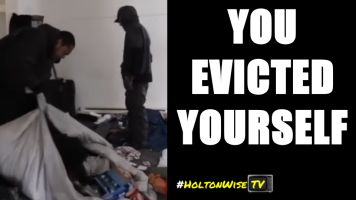
In Indianapolis, You Evict Yourself When You Stop Paying Rent
Nobody wants to file an eviction. It costs money, wastes time, and creates a headache for everyone involved. But if you’re renting a property in Indianapolis and you stop paying, ignore the notices, and act like the lease doesn’t apply to you, eventually the landlord has to take action. Eviction isn’t the first choice—it’s the consequence of refusing to hold up your end of the agreement.

San Francisco Investors: $12K a Year in Profit on a $175K Rental
San Francisco investors are used to sky-high purchase prices and razor-thin cash flow, but the numbers can look very different when you invest out of state. In this video, James Wise breaks down a $175,000 rental projected to generate roughly $12,000 a year in profit and around a 10% cash-on-cash return. The key is buying at the right price, accurately estimating rents and expenses, and having the right team in place to handle property management, maintenance, construction, insurance, and everything else that comes with owning rentals from across the country.

Navigating Cleveland’s Ever-Changing Landlord Laws
Cleveland landlords have more rules, regulations, and compliance requirements to keep track of than ever. In this video, James Wise breaks down how rental property owners can navigate Cleveland’s constantly changing landlord laws—from rental registration, inspections, property compliance, tenant issues, and eviction requirements to the city’s lead paint and Lead Safe Certification rules. For landlords dealing with Cleveland’s lead requirements, Pb Free Ohio helps property owners navigate testing, certification, and ongoing compliance so they can keep their rentals operating properly.

Buffalo Section 8: Before You Rip Out Those Cabinets, Watch This
A dated kitchen doesn’t always need a full gut rehab. James Wise breaks down why Buffalo Section 8 investors should look for inexpensive ways to modernize a rental—like removing dated trim, repainting cabinets to match, and installing consistent hardware—before spending thousands replacing perfectly usable cabinetry. Smart landlords focus on durability, functionality, and ROI instead of over-improving a rental property.

San Jose Investors: There’s More to Wealth Than Tech Stocks
San Jose investors don’t have to keep all their wealth tied up in tech stocks and expensive California real estate. James Wise explains why rental properties can provide a tangible, long-term asset built around something people will always need: housing. And by looking outside California, investors can potentially stretch their capital further, diversify their portfolio, and target markets where the numbers make more sense. Rent To Retirement helps investors find and acquire turnkey rental properties in investor-friendly markets across the country.

The Government Pays the Rent in These Cleveland Neighborhoods
Everybody wants the nice neighborhood until they see the price tag. In some Cleveland neighborhoods, the real opportunity is buying cheap, understanding the tenant base, and using Section 8 the right way. If the government is helping cover the rent, the numbers can work in places most investors would never even consider. James Wise breaks down why ugly neighborhoods can still produce beautiful cash flow.
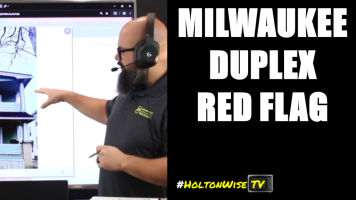
Section 8 Tenants Won’t Let Us In—Is This Milwaukee Duplex a Red Flag?
No interior photos and tenants who won’t cooperate with access might look like a major red flag to a newer investor, but in Milwaukee’s occupied duplex market, that can simply be part of the Section 8 business. James Wise explains why tenant-occupied properties often come with limited listing photos, difficult access, and incomplete information—and why experienced investors learn how to separate normal landlord headaches from actual deal killers.

A Quick Lesson in Gun Safety—From a Detroit Squatter House
Squatter houses can come with a lot more than trash, damage, and unpaid rent. In this Detroit property, the crew comes across guns left inside the house—turning a routine walkthrough into a quick reminder about gun safety and just how unpredictable distressed rental properties can be. This is the side of real estate investing you won’t see in the listing photos.

Million-Dollar Mansions Next to Rentals? Welcome to Shaker Heights
Shaker Heights isn’t your typical Cleveland rental market. This suburb blends investment properties with some of the area’s most prestigious neighborhoods, million-dollar homes, and high-income professionals including doctors, lawyers, judges, and executives. Its close proximity to downtown Cleveland and major hospital systems gives Shaker Heights a level of name recognition and “street cred” that can make it stand out from other Cleveland-area rental markets.
 Print
Print 