
HoltonWiseTV Highlights (64)

Chicago Landlords Stop Feeling Guilty About Raising the Rent
Some landlords feel guilty about raising the rent, but charging fair market rent is not greed—it is part of running a successful rental business. You invested your own money, accepted the risk, maintained the property, and put in the work. In this video, James Wise explains why Chicago landlords should stop apologizing for rent increases and start treating their rental properties like the investments they are.

Pittsburgh Section 8: My Complete Duplex Analysis Before You Buy
Before you buy an older Section 8 duplex, you need to understand more than the projected rent and purchase price. In this video, James Wise performs a complete investment analysis of a Pittsburgh duplex, examining the layout, furnaces, ductwork, mechanical systems, third-floor conversion, potential repair costs, rental income, and the details inexperienced investors often overlook. This is the type of in-depth due diligence you need before deciding whether a multifamily property is a profitable investment or an expensive mistake.

I Predicted Rate Cuts Two Years Ago—Here’s What I Got Wrong
Two years ago, I told you lower rates were finally coming. I was right—the Fed cut rates the very next day. Then it kept cutting. But here’s what I got wrong: I thought those cuts would translate into dramatically cheaper mortgages and bring real estate back to life. They didn’t. The good news is that successful investors do not sit around waiting for the Federal Reserve to rescue their deals. On HoltonWiseTV, we teach investors how to find cash-flowing properties, negotiate better prices, use creative financing, and make money in real estate even when borrowing costs remain high. In this video, I explain what actually happened with mortgage rates and how investors can adjust their strategy to succeed in today’s market.

Boston Landlords: They’re Not Struggling—They’re Stealing From You
Boston landlords are not responsible for financially supporting tenants who stop paying rent. In this video, James Wise explains why nonpayment should be treated as a business problem—not an emotional obligation—and why landlords need to protect their property, enforce the lease, and begin the eviction process instead of becoming their tenant’s financial safety net.
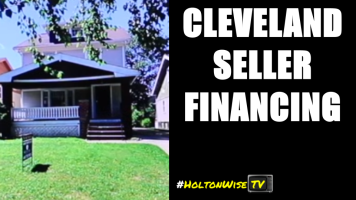
Cleveland Investors: We Give You Access to Seller-Financed Deals
Traditional bank financing is not the only way to buy Cleveland rental properties. In this video, James Wise explains how Holton-Wise helps investors find seller-financed opportunities and connect with property owners who are willing to structure creative deals. Seller financing can give qualified investors more flexibility, reduce their dependence on banks, and open the door to Cleveland investment properties they may not have been able to purchase through a conventional loan.

Cincinnati Section 8: Stop Complaining About Nail Holes
A few nail holes are not the problem—constant tenant turnover is. When tenants decorate, collect knickknacks, and make a rental feel like home, they are often more committed to staying long term. In this video, James Wise explains why smart Cincinnati landlords should stop chasing dimes over minor wall repairs and start focusing on the real money: keeping reliable Section 8 tenants in place for five or ten years instead of paying for expensive turnovers every year.

St. Louis Section 8: Longer Tenancies, Rougher Turnovers
Section 8 tenants often stay longer than non-subsidized tenants, which can reduce the frequency of expensive turnovers. But in rougher rental neighborhoods, landlords still need to expect heavier wear and tear on their units. In this video, James Wise explains why long-term subsidized tenants can be valuable, why turnovers need to be kept to a minimum, and how investors should prepare their properties for the realities of lower-income rental markets.

Philadelphia Landlords: The Cameras Never Show the Six Months Before Eviction
The news cameras only show the final day—the sheriff arriving, tenants crying, and belongings being placed on the curb. What they usually leave out are the months of missed payments, ignored notices, court hearings, payment plans, and opportunities to resolve the situation before the eviction. Philadelphia landlords know the removal is rarely where the story begins; it is usually the final step in a process that has already lasted a long time.
Minneapolis Investors: This Fresh Renovation Could Hide a Huge Mistake
A fresh renovation can make an investment property look like a guaranteed winner, but new flooring, paint, cabinets, and fixtures do not automatically make it a good deal. Minneapolis investors still need to inspect the major mechanicals, foundation, roof, plumbing, electrical system, neighborhood, rents, and renovation quality before buying. The biggest real estate mistakes often happen when investors fall in love with the cosmetics and stop analyzing the numbers.

San Jose Investors: Turnkey “Equity” Is Never That Simple
San Jose investors are constantly marketed out-of-state turnkey properties with promises of instant equity, below-market pricing, and effortless cash flow. But buying a property for less than it may be worth is not as simple as the sales pitch makes it sound. You still have to verify the condition, rents, neighborhood, management, repair costs, and real market value before calling it a deal. In this video, James Wise shows a California investor what buying with real equity actually looks like—and why you should never trust the word “turnkey” without checking the numbers yourself.
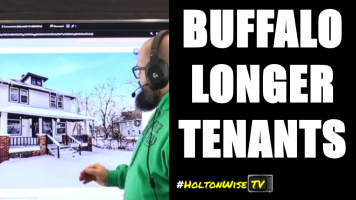
Buffalo Section 8: This Layout Keeps Tenants Longer
Side-by-side duplexes feel more like single-family homes because each tenant gets multiple floors, more privacy, and often a separate basement. For Buffalo Section 8 investors, that home-like layout can support stronger rents, attract better long-term tenants, and reduce costly turnover compared with traditional up-and-down duplexes.

New York Landlords: When Eviction Becomes a Discrimination Claim
When a New York eviction turns into a discrimination claim, landlords need to separate emotion from evidence. Fair housing laws must always be followed, but tenants are still required to obey the lease. A discrimination accusation does not automatically mean the eviction is illegal, which is why landlords must document violations, communicate professionally, and understand their rights before taking action. Eviction should never be personal—it should be based on the lease, the facts, and the law.
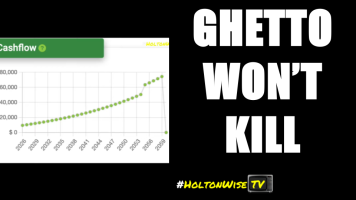
San Antonio Investors: The Ghetto Won’t Kill Your Deal—Misgrading It Will
San Antonio investors, you can make money in rough neighborhoods and you can make money in safe neighborhoods—but you will get crushed if you pay safe-neighborhood prices for a property that is actually located in the hood. In this video, James Wise explains why accurately grading the neighborhood is one of the most important parts of analyzing any rental property and how the wrong assumptions can destroy your returns before the tenant ever moves in. Rent To Retirement helps investors purchase cash-flowing rentals with experienced teams already in place. Text REI to 33777 to learn more.
San Jose Investors: We Handle the Evictions—You Keep the Cash Flow
San Jose investors, high cash flow usually comes with tenant problems, turnovers, evictions, and plenty of chaos—but you do not have to handle any of it yourself. The Holton-Wise team manages the tenants, coordinates the evictions, oversees the properties, and deals with the day-to-day headaches while you focus on collecting income and building long-term wealth. Markets like Cleveland, Detroit, and Indianapolis offer the kind of affordable purchase prices and strong rental demand that California investors struggle to find locally. You keep the cash flow. We handle the mess.

Cleveland Investors: This Grandfathered 3rd Floor is a Rent Goldmine
Cleveland’s 100-year-old housing stock can create opportunities that would be far too expensive to build today. When a duplex already has a legally finished, grandfathered third floor, one unit can become a massive two-story apartment that commands higher rent, feels more like a single-family home, and encourages tenants to stay longer. In this video, James Wise explains why these grandfathered layouts can turn an ordinary Cleveland duplex into a rental goldmine—and why investors should think twice before trying to create the same setup from scratch under today’s building codes.

Newark Investors: Stop at Four Units—or Your Financing Gets Worse
Newark investors, four units is the residential financing sweet spot. You can collect the maximum number of rents while still qualifying for long-term residential loan options, including potential 30-year fixed financing. The second you jump to five units, you enter the commercial lending world—shorter loan terms, balloon payments, refinancing risk, and amortization schedules that barely touch the principal before the loan gets called. In this video, James Wise explains why a four-unit apartment building can give investors the best combination of rental income, leverage, and predictable financing.

Milwaukee Investors: Cut Tenant Turnover With This Duplex Layout
Side-by-side duplexes usually feel more like single-family homes than traditional up-and-down units, giving tenants more privacy, fewer noise complaints, and a stronger reason to stay long-term. In this video, James Wise explains why Milwaukee real estate investors should pay close attention to duplex layouts—and how choosing the right setup can reduce turnover, vacancy, and costly make-ready work.

Orlando Investors: I Don’t Work for the Seller—I’m Here to Crush Him
Orlando investors, I do not work for the seller—and I am not here to manufacture some feel-good “win-win” deal. I work for the buyer. That means identifying everything the seller has mismanaged, every expense they underestimated, every rent they failed to increase, and every problem weakening their negotiating position. Then we use that information to beat down the price, improve your terms, and put as much profit as possible into your deal. The seller has their own representation. My job is to protect your money and help you win.

Boston Landlords: Your Tenant Is Not Your Child—Evict Them
Boston landlords are not parents, charities, or financial safety nets for tenants who stop paying rent. When a tenant refuses to pay but continues living in your property, they are forcing you to cover their housing while you remain responsible for the mortgage, taxes, insurance, maintenance, and legal expenses. That is not compassion—it is theft with better public relations. Rental property is a business, and landlords must enforce the lease, protect their investment, and begin the eviction process when tenants stop honoring their obligations.
Raleigh Investors: 11 Fed Rate Hikes Put Real Estate in a Chokehold
Real estate was cruising when money was cheap—then inflation exploded, the Federal Reserve raised rates 11 times in just 16 months, and the entire market slammed on the brakes. Raleigh investors watched mortgage payments surge, buyers lose purchasing power, sellers refuse to give up their low-rate loans, and once-profitable deals stop making sense overnight. This is what happens when the cost of borrowing changes faster than property prices can adjust—and investors who understand the numbers can position themselves to capitalize when the market finally starts moving again.
New York Landlords: Nobody Is Entitled to Live in Your House for Free
Nobody is entitled to live in someone else’s property for free while the landlord keeps paying the mortgage, taxes, insurance, repairs, utilities, and legal bills. New York investors are constantly told they should absorb the loss whenever a tenant stops paying, but that is not compassion—it is forcing a private property owner to fund someone else’s housing. If you are tired of New York’s landlord-hostile attitude, endless red tape, and politicians treating rental property owners like the enemy, it may be time to invest out of state in markets where the laws are more balanced, evictions are more predictable, purchase prices are lower, and landlords can actually operate a profitable business.

Providence Investors: Amateur Landlords Are Leaving $700 a Month on the Table
Most landlords are not professional investors—they are regular people who inherited a property, stopped paying attention to market rents, and left thousands of dollars sitting on the table. In this Providence real estate investing breakdown, James Wise explains how two month-to-month tenants paying just $650 per unit could potentially be brought closer to $1,000 each, increasing the property’s income by $700 per month and $8,400 per year. Amateur landlords see an underperforming headache; experienced investors see hidden cash flow and an opportunity to buy an asset for less than its true income potential.
Los Angeles Investors: Full-Service Section 8 or À La Carte—You Decide
Los Angeles investors don’t have to choose between doing everything themselves or handing over total control. Holton-Wise offers Section 8 property management and construction services à la carte, so you can use as much—or as little—support as your investment needs. Whether you need full-service management, help coordinating a rehab, or just local boots on the ground, the choice is yours. Visit HoltonWise.com and check out the Property Management FAQ for detailed video tutorials explaining how the process works.

Baltimore Investors: Evictions Are Why We Make Millions
People always ask why HoltonWiseTV shows evictions, tenant chaos, trashed properties, and the ugly side of rental real estate. Because this is what investing actually looks like—especially in markets like Baltimore. Most people run from difficult tenants, distressed houses, and complicated problems, but that fear creates opportunity. Investors who can manage the risk, handle the mess, and solve problems other people avoid are the ones who can build serious wealth.

Detroit Section 8: Protect Your Floors From Piss and Turnover
Detroit Section 8 landlords need flooring that can survive tenants, pets, spills, and repeated turnovers. A solid coat of polyurethane helps seal hardwood floors so dog pee, cat pee, people pee, and other liquids do not soak into the wood and create permanent odors. Skip the carpet, protect the floors, and keep your future turnover costs under control.
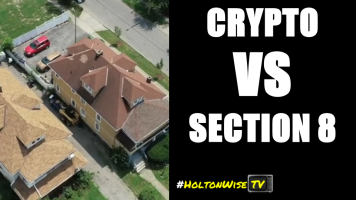
Miami Investors: Crypto Is Fake—Section 8 Is Real
Miami crypto investors keep chasing digital assets they cannot see, touch, rent out, or use to provide anything tangible to the community. Meanwhile, cheap out-of-state Section 8 rentals in markets like Cleveland, Pittsburgh, Detroit, Indianapolis, and Kansas City can produce real monthly income backed by an actual house. Crypto might go up, or it might disappear, but a properly purchased rental property gives you something real: tenants, rent, cash flow, appreciation, and a physical asset you control.

Cape Coral Rentals Beat Section 8 in the Hood
Cape Coral real estate gives investors a completely different experience than battling cockroaches, nonpayment, and evictions in low-income Section 8 rentals. In a desirable Florida market, you can attract snowbirds, retirees, homeowners, and responsible tenants with strong income and credit. When people genuinely want to live in an area, demand increases, rents rise, and the value of your investment can continue climbing.
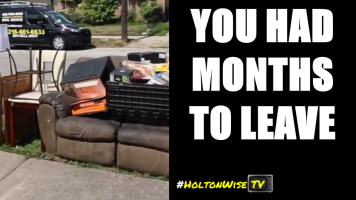
Chicago: By the Time the Eviction Arrives, You’ve Had Months to Leave
Eviction does not happen overnight. Chicago tenants receive notices, court dates, hearings, and multiple opportunities to pay the rent or move out before the sheriff ever arrives. By the time an eviction reaches physical enforcement, the situation has usually been dragging on for months. Nobody was blindsided—they ignored every warning until the legal process finally caught up with them.
Philadelphia: Eviction Didn’t Blindside You—You Ignored Every Warning
Eviction does not happen overnight. Philadelphia tenants typically receive notices, court dates, hearings, and multiple opportunities to pay what they owe or move out before the process reaches its final stage. When someone claims an eviction came out of nowhere, what usually happened is they ignored every warning until the consequences finally caught up with them. Landlords are not wrong for enforcing the lease after months of missed rent and repeated chances.

Riverside Investors: College Kids and Section 8 Tenants Will Never Run Out
Riverside and Southern California investors looking for cheaper rental properties outside California should pay attention to Ohio real estate near major colleges. In Akron, these properties give you access to two dependable tenant pools: college students and low-income Section 8 renters. Compared with California’s high purchase prices, an affordable Ohio rental can deliver steady demand, rising rents, long-term appreciation, and stronger monthly cash flow. When you combine college-town demand with Section 8 income, you create multiple ways for the property to keep producing money.
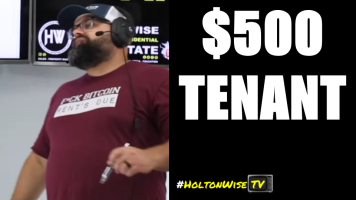
Oakland Investors: A $500 Tenant Can Still Make You More Money
Oakland investors looking for affordable Section 8 rentals in Ohio need to understand that maximizing rent does not always mean raising it all at once. When a long-term tenant is paying below market but keeping the unit occupied, forcing a massive increase could trigger a vacancy, turnover, and a $15,000 renovation. Gradually raising the rent while keeping the tenant in place can protect your cash flow, reduce expenses, and still move the property toward stronger Section 8 income over time.
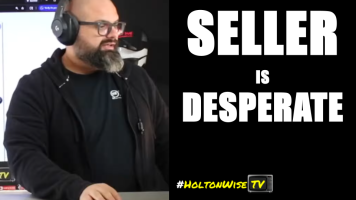
New Orleans Investors: The Seller Is Desperate—Make the Lowball Offer
A vacant property costs the seller money every single month through taxes, insurance, utilities, maintenance, and zero rental income. New Orleans investors should understand that this is exactly when buyers gain leverage. Unlike a cash-flowing rental where the owner can keep collecting rent, an empty renovation project becomes a financial burden—and every day it sits gives you another reason to make an aggressive lowball offer.

New York Investors: Beat the Seller Into Submission
New York investors need to stop worrying about creating a perfect win-win for desperate sellers. When a Section 8 rental has a difficult tenant, poor management, a weak listing agent, and a long time on the market, the seller is leaving clues that they may be ready to negotiate. Your job is to use every mistake, every problem, and every day the property sits unsold to drive the price down and create the strongest possible deal for yourself. With the right acquisition price, management team, and Section 8 rent strategy, a troubled property can become a high-cash-flow investment. This is not about helping the seller feel good—it is about beating them into submission at the negotiating table and making sure your investment starts with maximum equity and profit potential.
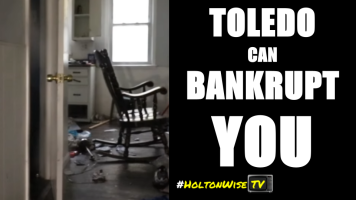
Toledo Ohio: Bad Tenants Can Bankrupt an Out-of-State Investor
Imagine opening the front door to the Toledo, Ohio rental property you worked so hard to buy—and finding it completely destroyed by deadbeat tenants. You invested to create financial freedom for yourself and your family, but without the right boots-on-the-ground team, one bad tenant can wipe out years of savings through unpaid rent, property damage, legal costs, and an expensive turnover. This happens to out-of-state investors far more often than it should. The property is only part of the investment—the local team screening tenants, inspecting the unit, collecting rent, enforcing the lease, and protecting your asset is what keeps the deal alive.

Las Vegas Investors: School Trains You to Work—Real Estate Sets You Free
School teaches you how to become an employee, collect a paycheck, and stay trapped in the workforce. Las Vegas investors who want real financial freedom need to learn how to create value instead. By buying the right rental property, renovating it, increasing the equity, collecting monthly rent, refinancing, and pulling most of the original cash back out, you can reuse the same money to keep building your portfolio. This deal could create approximately $20,000 in equity right away while producing rental income—and that is how real estate investors escape the 9-to-5 and build independent wealth.
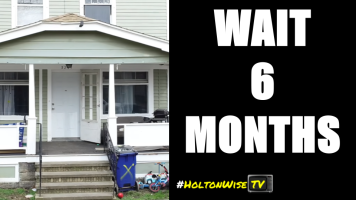
Oakland Landlords: Your Tenant Stops Paying—Now You Wait 6 Months to Evict
Oakland landlords know what happens when a tenant stops paying rent in California—you can spend months waiting, lose tens of thousands of dollars, and watch your cash flow disappear. In Cleveland, the process is different. Our team handles the eviction, turns the unit, places a new tenant, and gets the property producing income again. Out-of-state real estate investing is not automatically passive; it only works when you have the right systems and local team in place. Most investors are doing it wrong. Reach out to HoltonWise to learn how we help investors acquire and manage Cleveland rental properties.

Jacksonville Investors: America Loves War—and That’s Good for Your Rentals
Jacksonville, Florida investors should pay attention to what actually drives the local economy. This market is not dependent on tourism alone—it also benefits from health care, finance, military installations, defense contractors, and the enormous amount of money the United States continues to pour into military spending. Those industries can help support stable employment, population growth, and long-term rental demand. That is exactly why working with a company like Rent To Retirement can be valuable for out-of-state investors looking to identify rental properties in economically diverse markets like Jacksonville without trying to build an entire local team from scratch. Smart investors follow durable economic drivers, and Jacksonville’s connection to health care, finance, and the military gives landlords several reasons to keep this market on their radar.

Gary Indiana Section 8: This Duplex Layout Makes You More Money
Gary, Indiana Section 8 investors need to understand that not all duplexes are created equal. A ranch-style, side-by-side duplex is essentially two single-family homes connected by one shared wall, giving tenants more privacy, less noise, and a much better living experience than a traditional up-and-down duplex. When tenants like where they live, they stay longer—and longer tenancies mean fewer expensive turnovers, less vacancy, and more money in the landlord’s pocket.

Cincinnati Investors: Old Mechanicals Don’t Mean the Deal Is Dead
Older duplexes are rarely filled with brand-new furnaces, hot water tanks, and roofs—but that doesn’t automatically make them bad investments. Cincinnati investors need to estimate the remaining life of the major mechanicals, budget for long-term replacements, and use the inspection to renegotiate when an expensive repair is needed immediately. Smart investors underwrite normal wear and tear instead of panicking every time a property isn’t completely renovated.

Cleveland Landlords: The Lead Laws Are a Red-Tape Nightmare
Cleveland landlords are required to navigate a complicated lead-certification process, and trying to handle the inspections, paperwork, repairs and city requirements alone can quickly become a red-tape nightmare. James Wise explains why HoltonWise relies on Pb Free Ohio to manage lead certification across its Cleveland rental portfolio and help property owners keep their units compliant, protect their tenants and avoid costly mistakes.
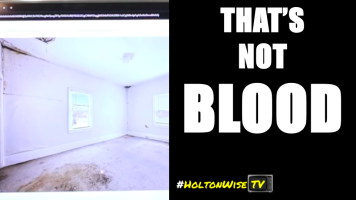
Milwaukee Investors: That’s Not Blood—It’s a Roof Leak Destroying the House
Milwaukee investors might see a dark ceiling stain and immediately assume the worst, but the real problem is often just as expensive: a severely leaking roof. Water has already traveled through the property, damaged the plaster-and-lath ceilings and created multiple interior repairs that cannot be ignored. The bathroom may still be salvageable, but the roof, ceilings, walls and surrounding water damage mean this house needs a serious renovation before it can become a safe, rentable investment property.

Minneapolis Eviction: Screaming Won’t Stop the Sheriff
Minneapolis evictions gets real when the sheriff is standing outside the tenant’s door and the only thing coming from inside is screaming. By the time law enforcement arrives, the notices have been served, the court process has played out and the landlord is finally taking possession back. This is the side of rental property investing nobody puts in the sales brochure, but every landlord needs to understand before buying in a market with difficult eviction laws, problem tenants and expensive delays.

Charlotte Landlords: Raise the Rent—They Have Too Much Crap to Leave
Charlotte landlords should not automatically panic when a tenant has an apartment packed with furniture, boxes and personal belongings. A tenant with a lot of stuff may be far less likely to move when the rent increases because packing, hauling and finding another unit becomes a major hassle. That does not mean you can raise rent recklessly, but when a tenant is paying below market, a reasonable increase may improve your cash flow without creating a vacancy, renovation bill or turnover expense.

Nashville Investors: Studio Apartments Can Make You Rich—or Ruin You
Nashville investors can make serious money with studio apartments, but tenant screening can make or break the entire building. In this video, James Wise explains why inherited studio tenants can create major problems when a previous owner filled the units with unstable renters just to keep the property occupied. Studios attract people looking for the cheapest housing possible, which can mean excellent long-term tenants who stay, pay and keep to themselves—or constant turnover, unpaid rent, damage and chaos. James breaks down why buying vacant studios can actually be an advantage, how his own 11-unit studio building has produced strong returns for more than a decade, and why the right tenant is far more valuable than simply having any tenant.

Memphis Section 8: That $75 Rent Increase Could Cost You $10,000
Memphis Section 8 investors can destroy years of extra rent by pushing out a paying tenant over another $50 or $75 per month. In rougher rental neighborhoods, turnover often means lost rent, cleanup, flooring, paint, repairs and a renovation bill that can easily reach $10,000. James Wise explains why long-term occupancy matters more than maximizing every dollar on a spreadsheet and why the tougher the neighborhood, the more important it is to keep reliable butts in the units. Whether the tenant is on Section 8 or paying privately, avoiding unnecessary turnover can protect your cash flow and keep a profitable Memphis rental from becoming an expensive construction project.
Austin Investors: 25% Down Will Keep You Broke
Austin investors can earn strong incomes, own valuable real estate and still run out of cash long before they build a serious portfolio. In this video, James Wise explains why repeatedly putting 20% to 25% down on traditional rental properties eventually stalls your growth, even when the deals cash flow. Seller financing and the BRRRR strategy can help investors recycle capital, reduce the amount of money trapped in each deal and build wealth without starting wealthy. James used these strategies to go from managing a RadioShack at 21 years old to building a multimillion-dollar real estate portfolio—and Austin investors can use the same approach to stop letting massive down payments control how fast they grow.

Investing in Columbus Georgia? A, B, C or Hood—Know What You’re Buying
Investing in Columbus, Georgia starts with understanding exactly what kind of neighborhood you are buying into. In this video, James Wise breaks down the difference between A, B, C and straight-up hood neighborhoods, what the homes, yards and streets should look like in each grade, and why investors need to cruise Google Street View before trusting a listing or sales pitch. A nice house in the wrong neighborhood can destroy your returns, while a solid working-class rental area can give you better tenants, stronger demand and fewer management headaches. Rent To Retirement helps investors find out-of-state rental properties in markets like Columbus, Georgia without blindly buying into the wrong neighborhood.
Washington D.C. Investors: When Rates Drop, the Cheap Deals Disappear
Washington, D.C. investors waiting for interest rates to drop before buying could be making a massive mistake. The moment financing gets cheaper and confidence returns, more buyers flood the market, distressed properties get multiple offers and the deeply discounted BRRRR opportunities start disappearing. Investors with cash have an advantage right now because they can buy ugly, screwed-up properties while demand is slower, renovate them and refinance later if rates improve. Stop waiting for the perfect market—because by the time everything feels safe, everybody else will be chasing the same deals and paying more for them.

Anaheim Section 8: Hardwood Survives Piss, Pets & Double Murder
Anaheim investors leaving expensive Southern California for cheap out-of-state Section 8 rentals need to understand that they are entering a completely different world. In sunny California, buyers obsess over modern finishes, trendy renovations and luxury upgrades, but in low-cost Section 8 markets, durability is what protects your cash flow. White paint, original woodwork and 100-year-old hardwood floors may not look glamorous, but they can survive pets, spills, rough tenants and repeated turnovers without forcing you to replace carpet every time somebody moves out. Cheap properties can produce incredible returns, but only when you renovate them for the tenants, neighborhoods and realities of the market you are actually buying in—not the California market you are leaving behind.

Dallas Section 8: Stop Renovating Rentals like the Taj Mahal
Dallas Section 8 rentals do not need luxury finishes, designer fixtures or a renovation that looks like the Taj Mahal. They need to be clean, functional, safe and built to survive years of tenant turnover. In this video, James Wise explains why durable flooring, simple fixtures and easy-to-repair materials beat expensive “breaky-breaky” upgrades every time. Smart landlords spend money where it protects the property and the cash flow—not where it makes the rental look good on Instagram.
 Print
Print 